When do Kids Start Losing Their Teeth? | Tooth Loss Explained
 When do kids start losing their teeth? This is a question that many parents have. The answer, however, is not as straightforward as one might think. Children’s tooth loss happens in stages, and there are certain things that parents need to be aware of to ensure that their children maintain healthy smiles. In this blog post, we will explore when kids start losing teeth, potential baby teeth loss issues, and how to care for baby teeth.
When Do Kids Start Losing Their Teeth?
- Most kids start to lose their baby teeth around the age of six. However, it’s not unusual for children to lose their first tooth as early as four or as late as seven. The process of losing baby teeth and getting permanent teeth usually takes a few years to complete. By the time they’re around 12, most kids have lost all of their baby teeth and have a full set of adult teeth. Of course, every child is different, so don’t be alarmed if your child’s timetable doesn’t match up exactly with these milestones. If you’re concerned about your child’s dental development, be sure to talk to your dentist. They’ll be able to let you know if everything is on track or if there are any areas of concern.
Children’s Tooth Loss Happens in Stages
- Tooth loss does not happen all at once. It occurs in stages, with different teeth falling out at different times. The order in which baby teeth are lost can vary from child to child. Typically, the incisors (front teeth) are usually the first to go, followed by the canines (eye teeth). The premolars (molars located behind the canines) are next, followed by the wisdom teeth (molars located at the very back of the mouth). In total, children will lose a total of 20 primary teeth before they reach adulthood. After that, they will have a full set of 32 permanent teeth.
Potential Baby Teeth Loss Issues
- Most children will have all of their baby teeth by the time they’re three years old. While losing baby teeth is a natural process, some potential problems can occur. If a child loses a tooth too early (before the age of six), it’s considered premature baby tooth loss. This can happen for a variety of reasons, including dental trauma, certain medical conditions, and genetics. If multiple teeth are lost prematurely, it can cause problems with adult tooth development and may require treatment from a dentist or orthodontist.
Crowding is another potential issue that can occur when children start to lose their baby teeth. This happens when there’s not enough room in the mouth for all of the adult teeth to come in properly. As a result, the adult teeth may become crooked or crowded. Treatment from an orthodontist may be necessary to correct crowding once all of the adult teeth have come in.
Delayed baby tooth loss can also be an issue. This occurs when a child doesn’t start losing their baby teeth until they’re eight or nine years old. While this isn’t necessarily a problem, it can sometimes be a sign of underlying dental or medical issues. If delayed tooth loss is accompanied by other symptoms (such as fever or swollen lymph nodes), it’s important to see a doctor or dentist to rule out any underlying problems.
Extra teeth (also called supernumerary teeth) are another potential issue that can occur when children start to lose their baby teeth. This happens when there are more than 20 primary (baby) teeth present in a child’s mouth. Supernumerary teeth can cause crowding and may need to be removed surgically if they’re causing problems with adult tooth development.
How to Care for Baby Teeth
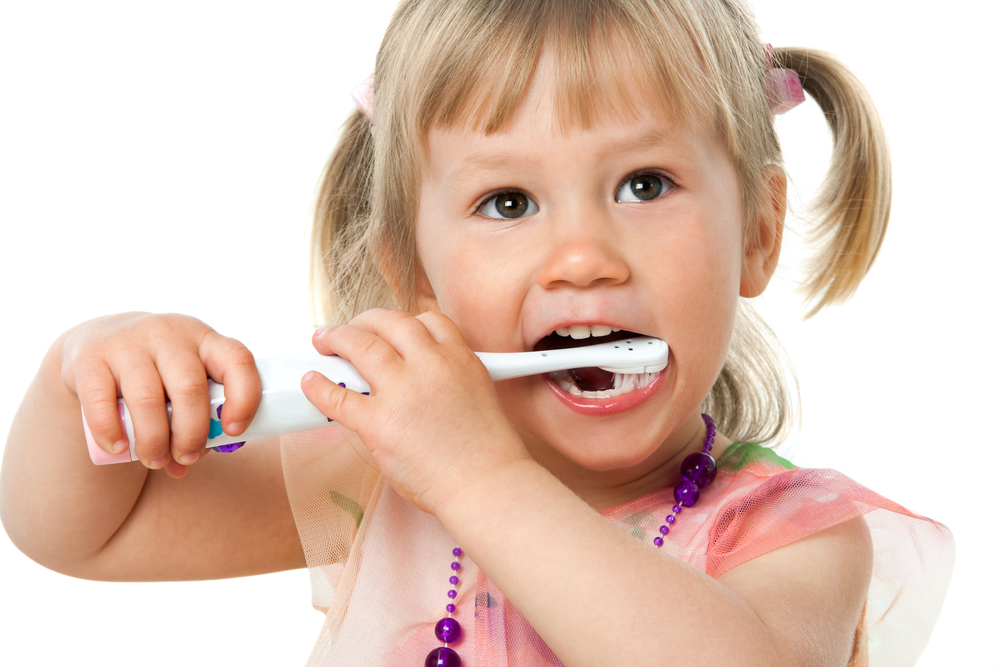
- Just like adult teeth, baby teeth are susceptible to cavities and other forms of tooth decay. It is important to take care of baby teeth even though they will eventually be replaced by adult teeth. The American Dental Association recommends that parents use a soft-bristled toothbrush to brush their child’s teeth at least twice a day. It’s also important to floss between the teeth and under the gumline to remove plaque and bacteria. You may need to help your child floss until they can do it on their own. You should also take your child to the dentist for routine checkups and cleanings. By following these steps, you can help ensure that your child has a healthy smile for years to come.
Once adult teeth come in, it is equally important to take care of them. Adults should brush and floss twice a day and visit the dentist for a cleaning and checkup at least once a year. By taking care of both baby and adult teeth, you can help ensure a lifetime of good oral health. Contact us today at St. Geroge Dental to help keep your smile healthy for years.
Request an appointment here: https://www.stgeorgedentalcare.com or call St. George Dental Care at (435) 628-9099 for an appointment in our St George office.
Check out what others are saying about our services on Yelp: Read our Yelp reviews.
Recent Posts
Moving to a new city, switching providers, or finally catching up on overdue dental care can feel daunting. You want a provider you can trust, but digging through endless online information often leaves you feeling more overwhelmed than when you started. Figuring out how to choose a dentist in St George doesn't have to be…
Choosing a new healthcare provider is a highly personal decision that directly impacts your well-being. Years ago, people relied almost exclusively on word-of-mouth recommendations from friends or neighbors to find a trustworthy dental practice. Now, digital platforms have transformed that process, allowing you to access hundreds of patient experiences with just a few clicks. Reading…
Finding the right dental home for your household is a big decision that impacts everyone's oral health. You want a welcoming environment where both children and adults feel completely at ease. The entire team at St. George Dental Care understands these priorities and is here to help you navigate your options. If you are actively…
We know that life is busy. Between work, school runs, and family commitments, finding time for healthcare can be a challenge. One of the most common questions we hear at the front desk isn't just about cost or comfort; it's about the schedule. Patients want to know, "How long does dental treatment take?" Whether you…