Understanding Dental Anesthesia

  • Invisalign St George, UT Dental anesthesia can be confusing, especially if you’ve never had a procedure. However, at St. George Dental Care, we want to ensure our patients understand all their options so they can make the best decision for their smile. So let’s look at some of the basics and what might be right for you.

What is Dental Anesthesia Used For?

  • Dentists commonly use dental anesthesia to ensure a comfortable and worry-free patient experience. Anesthesiology helps make even the most invasive dental techniques bearable, such as root canals, extractions, and fillings. Numbing the gums and surrounding tissue beneath them allows an individual to receive dental treatments without feeling pain or discomfort. Furthermore, it prevents people from enduring high anxiety levels that many might otherwise feel when sitting in a dentist’s chair. People who fear needles may also be offered sedation to help induce feelings of relaxation during their appointment. In short, dental anesthesia is necessary for dentists to ensure their practice is effective yet safe for each person’s visit.

Different Types of Dental Anesthesia

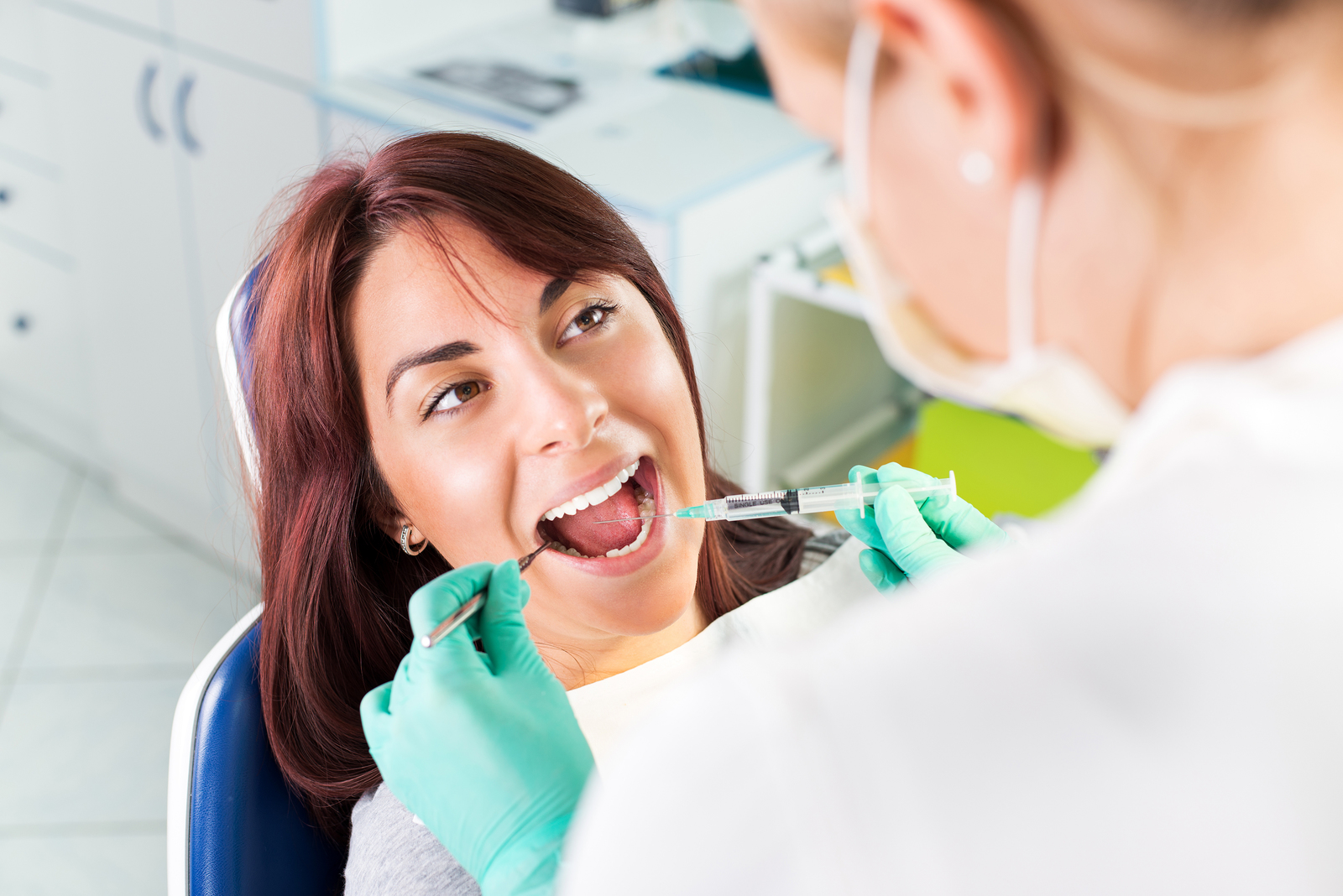
  • Local dental anesthesia utilizes a numbing agent, typically comprised of anesthetics like lidocaine or procaine, to dull the sensation in some regions of the mouth. This can be helpful before invasive procedures like tooth extractions, endodontics, and dental implant placement. The anesthetic is injected directly into the soft tissue around the tooth or surgical site via a fine needle placed with great precision by a trained professional. Generally, it takes 5-10 minutes to take effect and will last up to 4 hours, depending on the procedure. Even though the injection itself may be uncomfortable, patients should feel some relief almost immediately after it has been administered.

Dental Oral Sedation

  • Dental Oral sedation is an effective form of anxiety reduction for many individuals receiving dental treatments in a comfortable and stress-free way. The sedative prescribed by the dentist may come in pill form to be taken orally or through a liquid sedative administered through an inhaler. The medication used depends on the individual’s overall health condition, tolerance level, and desired effect, with the primary goal being relaxation and comfort during the appointment. Oral sedatives reduce anxiety by depressing nerve pathways that create a calming effect. In addition, this particular type of sedation eliminates pain and allows for long treatments without discomfort. Commonly prescribed medications for dental oral sedation include Diazepam, Triazolam, Lorazepam, Alprazolam, and Midazolam.

Nitrous Oxide

  • Nitrous oxide, also referred to as laughing gas, is a commonly used anesthetic agent in dental procedures. This odorless and colorless gas is mixed with Oxygen and can be easily administered via a mask that fits over the patient’s nose. The patient will inhale the mixture, which relaxes them and reduces pain. Research has found that nitrous oxide can reduce anxiety and fear while producing a calming effect throughout the entire procedure. Patients may feel light-headed or tingling throughout their bodies as the Nitrous Oxide works. When the procedure is complete, oxygen-rich air is administered for around five minutes before removing the mask to help return the patient to their normal state of mind. Nitrous Oxide has become an increasingly popular option for pain relief during dental procedures due to its effectiveness and safety.

IV Sedation

  • Intravenous (IV) sedation works by introducing a particular sedative drug directly into the bloodstream, allowing it to circulate throughout the body. This drug helps to produce both conscious and unconscious levels of sedation. During conscious levels of IV sedation, patients remain relaxed and can answer questions or follow instructions given by the dentist. Unconscious levels of IV sedation will cause patients to be asleep during their dental procedure and be unable to respond to verbal commands. This form of dental anesthesia allows experienced doctors to perform a wide range of treatments while ensuring the patient’s safety and comfort during treatment.

Benefits of Using Dental Anesthesia

  • Dental anesthesia is a safe and effective way to reduce anxiety and discomfort during dental procedures. It allows people to complete a procedure without experiencing any pain or discomfort. While the primary benefit is providing temporary numbness and analgesia, the agent also increases patient safety by allowing dentists to work in the mouth for extended periods without causing irritation, fatigue, or complication. Anesthesia can also reduce potential muscle spasms triggered by reflexes while performing complex dental procedures like oral surgeries. Furthermore, combining anesthesia with sedation helps relax even the most anxious patients quickly and efficiently, giving them a positive experience while in the dental chair.

Does Insurance Cover Dental Anesthesia?

  • Anesthesia helps ease dental procedures and make them more comfortable, but not all insurance plans cover it. To determine if your plan covers this, the best option is to contact your insurer directly. Calling the customer service number on their website or asking an insurance representative can help clarify precisely what is and isn’t covered. In addition, insurance typically doesn’t cover all types of anesthesia, so ask about nitrous oxide, oral sedatives, and IV sedation to determine what your policy covers. Before any dental work is done, it’s essential to determine if anesthesia will be covered by insurance and how much you may need to pay out of pocket.

Contact Saint George Dental Care Today

  • Before having a dental anesthesia procedure done, it is essential for you to have a consultation appointment first. A consultation helps you and your dentist to determine the best and safest approach for your anesthesia-related treatment based on your medical history and other factors. During the consultation, the potential risks and benefits of different types of anesthesia can be discussed before deciding which option is most suitable for you. St. George Dental Care is dedicated to providing our patients with the best care possible. We will work closely with you through each step of the process, giving you peace of mind that your overall health and safety remain our top priority. Please schedule an appointment today so we can help ensure you receive the quality treatment you deserve! Request an appointment here: https://www.stgeorgedentalcare.com or call St. George Dental Care at (435) 628-9099 for an appointment in our St George office.

    Check out what others are saying about our services on Yelp: Read our Yelp reviews.

    Recent Posts

    What Happens If You Don't Replace A Missing Tooth?

    Losing a tooth can occur for various reasons, such as decay, injury, gum disease, or extraction. Many people simply adapt and move on, especially if the missing tooth isn't visible when they smile or doesn't seem to cause any immediate issues. As a result, they often postpone considerations for replacement indefinitely.However, leaving a missing tooth…

    Am I Too Old For Dental Implants? What Seniors In St. George Should Know

    It's one of the most common questions dentists hear from older adults considering tooth replacement: am I too old for dental implants? The concern is understandable. Implants are a surgical procedure; healing can feel like more of an unknown as we get older, and the process involves a longer timeline than some other options.But here's…

    Root Canal Vs Extraction: Which Option Is Better For Your Long-Term Oral Health?

    If a dentist has told you that a tooth is severely damaged or infected, you may be facing a choice between a root canal and an extraction. For many patients, this decision comes with a lot of questions and sometimes a bit of anxiety about both the procedure itself and the long-term outcome.The short answer…

    Chipped A Tooth? Here's What Dentists Recommend You Do Next

    Chipping a tooth can happen in an instant, biting down on something hard, taking an accidental hit, or simply losing a piece of an older filling. It's one of the most common dental problems people experience, and the reaction is usually the same: a mix of surprise, a quick check in the mirror, and then…

Recent Posts

What Happens If You Don&#    ;t Replace A Missing Tooth?

What Happens If You Don't Replace A Missing Tooth?

Losing a tooth can occur for various reasons, such as decay, injury, gum disease, or extraction. Many people simply adapt and move on, especially if the missing tooth isn't visible when they smile or doesn't seem to cause any immediate issues. As a result, they often postpone considerations for replacement indefinitely.However, leaving a missing tooth…

Am I Too Old For Dental Implants? What Seniors In St  George Should Know

Am I Too Old For Dental Implants? What Seniors In St. George Should Know

It's one of the most common questions dentists hear from older adults considering tooth replacement: am I too old for dental implants? The concern is understandable. Implants are a surgical procedure; healing can feel like more of an unknown as we get older, and the process involves a longer timeline than some other options.But here's…