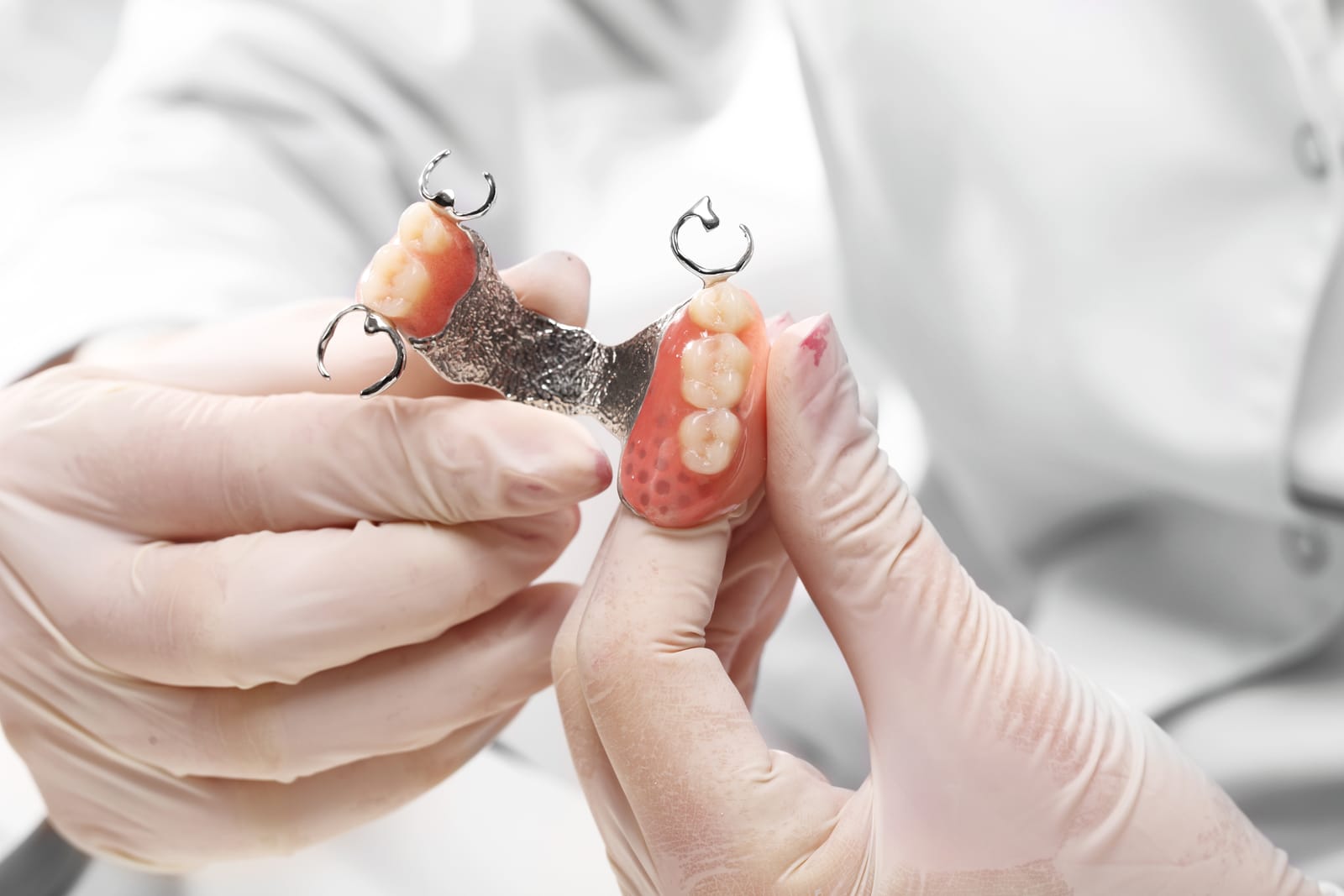
Everything You Need to Know About Dental Bone Loss

  • Invisalign St George, UT Dental bone loss, a significant condition impacting countless individuals globally, can result in tooth loss and various complications. It is crucial to comprehend its causes, symptoms, and treatment options. As we age, our bones and teeth weaken. Nonetheless, dental bone loss can affect individuals of any age. This article presents a comprehensive understanding of dental bone loss, encompassing its causes, symptoms, and treatment, along with preventive tips.

Discovering the Root Causes

  • Dental bone loss can be attributed to various causes. One of the primary factors is periodontitis, a bacterial infection that affects the gums, bone, and the tissues that surround them, ultimately leading to tooth loss. Additionally, tooth loss itself can contribute to dental bone loss. Other factors that can exacerbate this condition include osteoporosis, genetics, smoking, poor dental hygiene, and medical conditions like osteoporosis and Paget’s disease. It’s important to note that poor nutrition can also play a role in developing this condition. By understanding the multiple factors that contribute to this condition, individuals can take steps to prevent or manage dental bone loss effectively.

The Major Signs and Symptoms

  • Dental bone loss manifests through various symptoms, which are indicative of the gradual weakening and instability of the teeth. One such symptom is gum recession, where the gums gradually recede, exposing the tooth roots and causing tenderness, bleeding, and gum infections. Alongside gum recession, individuals may experience loose teeth, sensitivity to hot or cold stimuli, and changes in their bite. These changes in bite occur as the teeth shift from their original position due to the gradual loss of supporting bone. It is important to recognize these symptoms and seek dental care promptly to prevent further complications and ensure optimal oral health.

Prevention of Dental Bone Loss

  • To maintain good dental health and prevent bone loss, it is crucial to take preventive measures. Here are some tips: brush and floss daily, quit smoking, consume a balanced diet that includes calcium and vitamin D, limit alcohol intake, regularly visit the dentist, and ensure treatment of any medical conditions. A healthy lifestyle plays a significant role in preventing bone decay.

Enamel and Dentin Loss vs Dental Bone Loss

  • Enamel and dentin loss are distinct from dental bone loss. Enamel and dentin loss pertain to tooth decay, whereas bone loss relates to the weakening of the bone that supports the teeth. In cases of bone loss, bone grafting can aid in regenerating the lost bone. However, in instances of enamel and dentin loss, dentists may suggest filling or crowning the teeth to restore them.

Looking for More Information? Call Us Today!

  • In conclusion, dental bone loss can lead to severe complications, and it is important to prevent it by maintaining excellent dental hygiene and visiting the dentist regularly. Treatment options for this condition include scaling and root planning, bone grafting, dental implants, laser therapy, and medication. For further information on maintaining good dental health and preventing bone loss, reach out to St. George Dental Care. Remember, dental health is essential for a healthy lifestyle.

Schedule with Saint George Dental Care Today

Recent Posts

How Long Does Dental Treatment Take? Cleanings, Fillings, Crowns, And Implants Explained

How Long Does Dental Treatment Take? Cleanings, Fillings, Crowns, And Implants Explained

We know that life is busy. Between work, school runs, and family commitments, finding time for healthcare can be a challenge. One of the most common questions we hear at the front desk isn't just about cost or comfort; it's about the schedule. Patients want to know, "How long does dental treatment take?" Whether you…

Dental Anxiety Is Real: How St  George Dentists Help Nervous Patients Feel Comfortable

Dental Anxiety Is Real: How St. George Dentists Help Nervous Patients Feel Comfortable

For many people, the thought of sitting in a dental chair triggers a wave of unease. It is important to know that dental anxiety is incredibly common, and feeling this way doesn't mean you are irrational or weak. Many patients avoid appointments for years simply because the fear feels too overwhelming to manage.However, modern dentistry…