Modern Dentistry and the Role of Anesthesia Dental

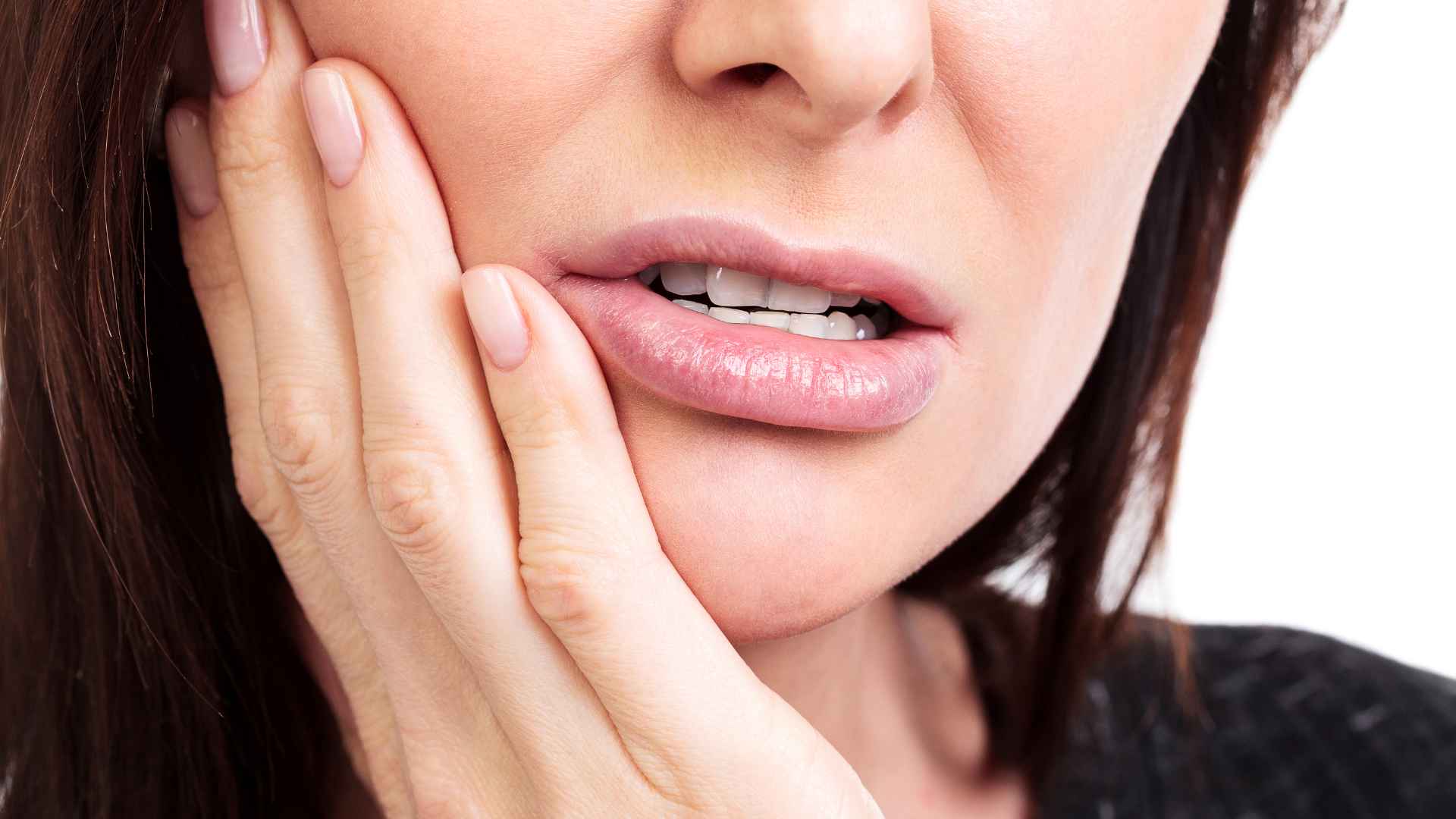
  • Invisalign St George, UT When it comes to dental procedures, many people feel a twinge of anxiety at the thought of pain. But thanks to anesthesia dental, those worries are a thing of the past. Understanding how dental anesthesia works can help you feel more at ease during your next visit. Whether you’re a dental patient seeking clarity or a professional looking to reassure clients, this guide is here to help.

Introduction to Anesthesia Dental

  • Anesthesia dental refers to the various methods to prevent pain during dental procedures. It’s a crucial element in modern dentistry, ensuring comfort and safety for patients undergoing routine cleanings and major surgeries. By numbing specific areas or inducing relaxation, anesthesia allows dentists to perform their work effectively without causing distress.

Types of Anesthesia Used in Dental Procedures

Topical Anesthesia

  • This is often the first step in pain prevention. Topical anesthesia is applied directly to the gums or mouth lining to numb the surface. It’s perfect for minor procedures and helps reduce discomfort when injecting local anesthesia. Many patients find that this step makes the entire process much less intimidating.

Local Anesthesia

  • Local anesthesia is the most common form of pain relief used in dental practices. It involves injecting anesthetic near the site of the procedure to block nerve signals. This ensures that the area is entirely numb, allowing dentists to work without causing pain. Local anesthesia is typically used for fillings, crowns, and other routine treatments.

General Anesthesia

  • For more complex surgeries, general anesthesia may be necessary. This type of anesthesia puts patients into a controlled state of unconsciousness, ensuring they feel no pain and have no memory of the procedure. General anesthesia is often reserved for extensive dental work or patients with severe anxiety.

Nitrous Oxide

  • Commonly known as “laughing gas,” nitrous oxide is a mild sedative inhaled through a mask. It helps patients relax during dental procedures while remaining conscious and able to communicate. The effects wear off quickly, making it a popular choice for those who need a little extra help staying calm.

Oral Premedication and Intravenous Sedation

  • For patients with dental anxiety, oral premedication and intravenous sedation offer additional options. Oral medication is taken before the appointment to promote relaxation, while intravenous sedation provides a deeper level of calmness. Both methods can be tailored to the patient’s needs, ensuring a stress-free experience.

How Anesthesia Enhances Patient Comfort

  • Anesthesia dental is all about enhancing comfort during dental visits. By eliminating pain and reducing anxiety, it allows patients to focus on the positive outcomes of their treatment. No more worrying about that dreaded needle or drill—anesthesia ensures that your visit is as pleasant as possible.

Potential Risks and Side Effects Associated with Anesthesia Dental

  • While anesthesia is generally safe, it’s important to be aware of potential risks and side effects. Common issues include temporary numbness, cottonmouth, or grogginess. Rarely, more severe complications like allergic reactions or nerve damage can occur. Our team at St. George Dental Care is trained to recognize and manage these risks effectively.

St. George Dental Care’s Approach

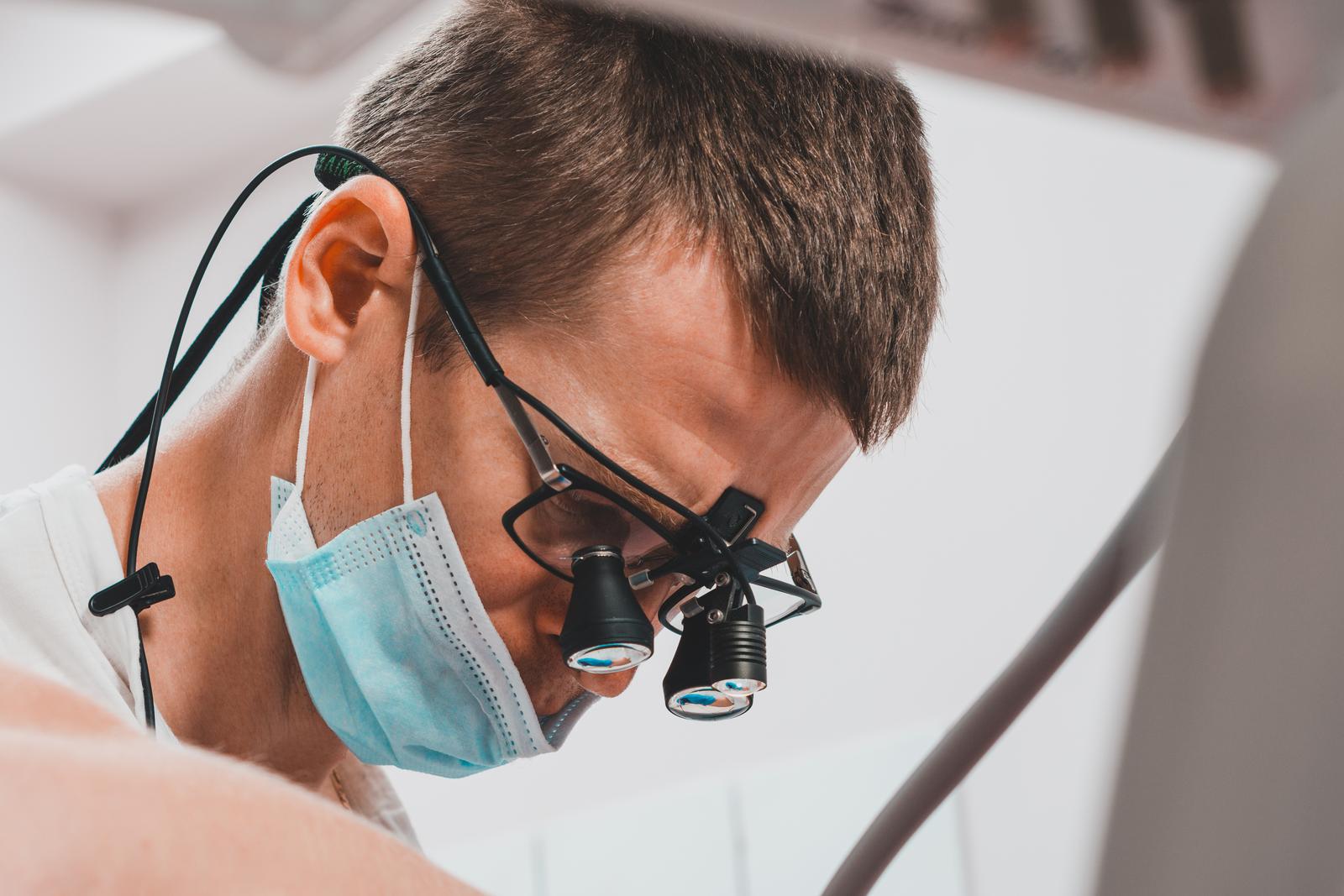
  • Patient comfort and safety are our top priorities at St. George Dental Care. Our team of skilled professionals employs the latest techniques and technologies to ensure that every procedure is as comfortable as possible. We work closely with each patient to understand their needs and preferences, creating a personalized anesthesia plan that puts them at ease.

Anesthesia Dental in Modern Dentistry Practices

  • Anesthesia dentistry has revolutionized the field of dentistry, making it possible for patients to receive the care they need without fear. It allows for more precise and efficient procedures, improving patient and practitioner outcomes. Dental professionals can foster trust and confidence in their care by prioritizing comfort.

Thanks for Reading!

  • Understanding dental anesthesia is key to a positive dental experience. By knowing what to expect and discussing options with your dentist, you can approach your next appointment with confidence. St. George Dental Care believes in empowering our patients through knowledge and open communication.

Join the St. George Dental Care Community

  • Ready to experience the difference at St. George Dental Care? Our team is dedicated to providing top-notch care in a warm, welcoming environment. Whether you’re due for a routine checkup or require more specialized treatment, we’re here to help. Visit our website to explore our range of services and see how we can support your oral health journey.

Schedule with Saint George Dental Care Today

  • Request an appointment here: https://www.stgeorgedentalcare.com or call St. George Dental Care at (435) 628-9099 for an appointment in our St George office.

    Check out what others are saying about our services on Yelp: Read our Yelp reviews.

    Recent Posts

    Why Are My Gums Receding? Common Causes And Treatment Options

    Most people first notice gum recession while brushing, flossing, or catching their reflection in the mirror. You might spot teeth that suddenly look longer or feel a new twinge of sensitivity. If you have found yourself wondering why your gums are receding, you are far from alone.Receding gums are common, but they should never be…

    Can Gum Disease Be Reversed? Understanding Gingivitis Vs Periodontitis

    Gum disease is one of the most common dental conditions affecting adults today. Many patients wonder, can gum disease be reversed, or is the damage permanent?The honest answer is that it depends on how far the condition has progressed. Early stages often respond well to treatment, while advanced stages require ongoing management. Understanding the difference…

    What Happens If You Don't Replace A Missing Tooth?

    Losing a tooth can occur for various reasons, such as decay, injury, gum disease, or extraction. Many people simply adapt and move on, especially if the missing tooth isn't visible when they smile or doesn't seem to cause any immediate issues. As a result, they often postpone considerations for replacement indefinitely.However, leaving a missing tooth…

    Am I Too Old For Dental Implants? What Seniors In St. George Should Know

    It's one of the most common questions dentists hear from older adults considering tooth replacement: am I too old for dental implants? The concern is understandable. Implants are a surgical procedure; healing can feel like more of an unknown as we get older, and the process involves a longer timeline than some other options.But here's…

Recent Posts

Why Are My Gums Receding? Common Causes And Treatment Options

Why Are My Gums Receding? Common Causes And Treatment Options

Most people first notice gum recession while brushing, flossing, or catching their reflection in the mirror. You might spot teeth that suddenly look longer or feel a new twinge of sensitivity. If you have found yourself wondering why your gums are receding, you are far from alone.Receding gums are common, but they should never be…

Can Gum Disease Be Reversed? Understanding Gingivitis Vs Periodontitis

Can Gum Disease Be Reversed? Understanding Gingivitis Vs Periodontitis

Gum disease is one of the most common dental conditions affecting adults today. Many patients wonder, can gum disease be reversed, or is the damage permanent?The honest answer is that it depends on how far the condition has progressed. Early stages often respond well to treatment, while advanced stages require ongoing management. Understanding the difference…