When Is a Tooth Extraction Necessary

Crown vs Filling vs Extraction: Which Dental Treatment Is Right for You?

  • When you have a damaged or painful tooth, understanding your options is the first step toward relief. Tooth damage can range from small cavities that are easily repaired to deep cracks or infections that compromise the entire tooth structure. The decision in the crown vs filling debate, or even whether an extraction is necessary, depends entirely on the health and stability of the tooth in question.
  • Our goal is to help you understand the common dental treatment options St. George, Utah, residents may encounter. Many patients find themselves wondering, “Do I need a crown or filling?” This guide will walk you through the typical reasons a dentist might recommend each of these treatments, helping you feel more prepared for your appointment.
  • Disclaimer: This article is for educational purposes only and is not a substitute for a professional diagnosis. The right treatment for your specific situation depends on an in-person dental exam and X-rays. We encourage you to schedule an appointment with St. George Dental Care for personalized guidance.

Quick Comparison: Filling vs Crown vs Extraction

  • Choosing a treatment involves balancing durability, cost, and the extent of the damage. While an exam is the only way to get a definitive answer, this quick overview can help you understand the trade-offs. The discussion of crown vs filling often comes down to how much healthy tooth structure remains.
  • Filling: Best for small to moderate decay; typically one visit; lower cost; can lead to a larger restoration if decay spreads.
  • Crown: Best for large decay or cracked teeth; often two visits; medium cost; can lead to extraction if decay gets underneath.
  • Extraction: Best for non-restorable teeth; one visit plus follow-up; variable cost (replacement adds more); can lead to bone loss or shifting teeth if the gap is not filled.

Fillings—When a Conservative Repair Is Enough

  • A dental filling is often the first line of defense against tooth decay. It is a conservative treatment designed to repair a cavity while preserving as much of the natural tooth as possible. Your dentist will remove the decayed portion of the tooth and “fill” the space with a durable material, restoring its shape and function. The choice between crown vs filling often lands in favor of a filling when the damage is contained.
  • This approach is ideal for minor issues but may not be sufficient for more extensive damage. If a cavity is too large or a crack is too deep, a filling may not provide enough strength, leading to potential failure down the road. Answering the question “Do I need a crown or filling?” starts with assessing how much healthy tooth remains to support the restoration.
  • Best fit when…
  • • You have a small-to-moderate cavity.
  • • There is a minor chip or fracture.
  • • An old, small filling needs to be replaced.
  • • The tooth structure is still strong and mostly intact.

Crowns—When the Tooth Needs Strength and Coverage

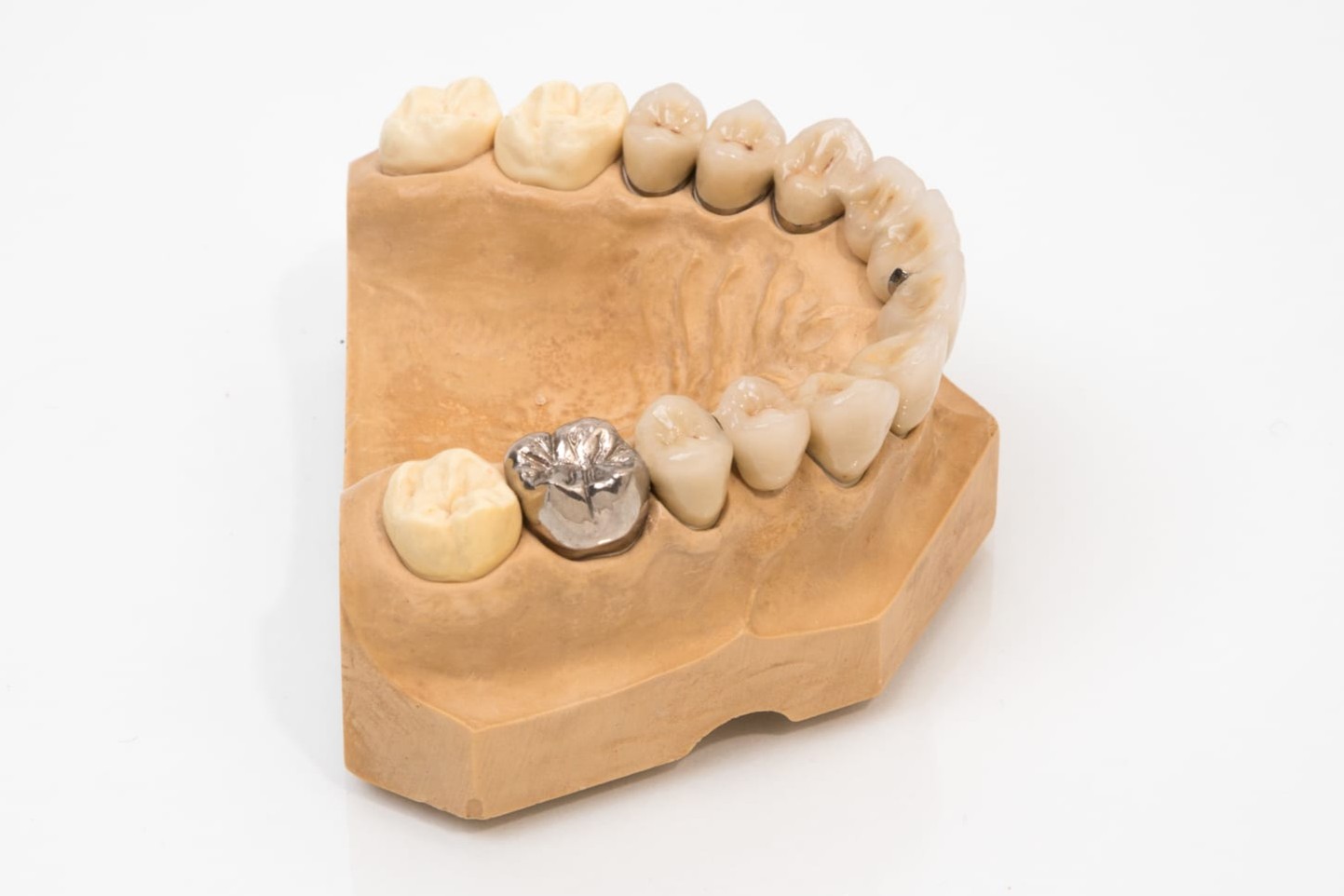
  • A dental crown, or cap, is a custom-made covering that encases the entire visible portion of a tooth. Unlike a filling that patches a small area, a crown provides comprehensive strength and protection. This is often the recommended solution when a tooth is too weak to support a filling or has significant structural damage from decay or a fracture.
  • Crowns are a durable, long-term solution for restoring a tooth’s shape, size, and function while protecting what’s left of the natural tooth underneath. In the debate of tooth extraction vs crown, a crown is the preferred choice whenever the tooth’s root system is healthy, and there is enough structure above the gumline to save.
  • A crown may be recommended if…
  • • A cavity is too large for a filling.
  • • The tooth is cracked, fractured, or severely worn down.
  • • You have just completed a root canal.
  • • The tooth is weakened and at risk of breaking.

Extractions—When Saving the Tooth Isn’t the Safest Option

  • Sometimes, a tooth is too damaged or infected to be saved with a filling or crown. In these cases, a tooth extraction (the complete removal of the tooth from its socket) is the safest option to protect your overall oral health. This prevents the spread of severe infection and eliminates the source of pain.
  • While removing a tooth is never the first choice, it is a necessary procedure when restorative treatments are no longer viable. The discussion of tooth extraction vs crown leans toward extraction when infection has compromised the bone or the tooth is broken below the gumline. This is often the final answer to the question, “Do I need a crown or filling?” when neither can solve the underlying problem.
  • Extraction is more likely when…
  • • There is severe decay that has destroyed most of the tooth.
  • • An infection has damaged the surrounding bone.
  • • The tooth is too broken to be restored.
  • • Advanced periodontal disease has caused significant instability.

What Happens If You Wait Too Long?

  • Delaying dental treatment almost always allows the problem to worsen. A small cavity that could have been treated with a simple filling can deepen, eventually requiring a crown and possibly a root canal. A small crack can spread under chewing pressure, causing the tooth to split and become non-restorable.
  • Putting off a decision can turn a simple crown vs filling choice into a more urgent tooth extraction vs crown situation. What starts as minor sensitivity can escalate into severe pain, swelling, and infection that may spread to other parts of your body. Prompt action is the best way to preserve your tooth and avoid more complex and costly procedures.

How Dentists Choose the Best Treatment

  • Your dentist uses a combination of diagnostic tools and clinical experience to recommend the best treatment. A visual exam can reveal a lot, but X-rays are crucial for seeing what’s happening beneath the surface, such as the depth of decay, the health of the root, and the condition of the bone.
  • Factors like the location of the tooth, the forces of your bite, and your overall oral hygiene also play a role. A professional evaluation is the only way to accurately answer the question, “Do I need a crown or filling?” Your dentist will explain the findings and help you understand why one option is better suited for your long-term health than another.

Next Step: Get a Personalized Recommendation

  • Navigating your dental care options can feel complex, but you don’t have to do it alone. The team at St. George Dental Care is here to provide clarity and help you make a confident decision. We will perform a thorough examination, discuss the pros and cons of each treatment, and create a plan that aligns with your health goals and budget. Making a choice about a tooth extraction vs crown or a crown vs filling is easier with expert guidance.
  • Stop letting uncertainty or pain affect your quality of life. Schedule an exam with St. George Dental Care today for a personalized recommendation and a clearer path to a healthier smile. We offer comprehensive dental treatment options in St. George, Utah, and are committed to finding the right solution for your specific needs.

Schedule with Saint George Dental Care Today

  • Request an appointment here: https://www.stgeorgedentalcare.com or call St. George Dental Care at (435) 628-9099 for an appointment in our St George office.

    Check out what others are saying about our services on Yelp: Read our Yelp reviews.

    Recent Posts

    How Often Do Dental Fillings Need To Be Replaced?

    Fillings aren't meant to last forever, even though they can hold up for many years with proper care. Wondering how long yours will last, or noticing something feels different about an old filling, is a completely normal thing to think about.Here's a look at how long different filling materials typically last, the signs that point…

    White Fillings 101: What To Know About Composite Fillings

    Cavities are common, and so is the question that comes right after your dentist finds one. What kind of filling should you get? For most patients today, the answer is a white filling made from composite resin.This guide covers what composite fillings are, how they compare to the old metal kind, what the process looks…

    My Crown Fell Out: What To Do Right Now (and Why It Happened)

    You were eating or brushing, and suddenly something felt off. Now you're holding a small piece of porcelain or metal, staring at a strange gap where your tooth used to look normal. A crown that comes off is unsettling, but it's also one of the more manageable dental emergencies out there.Here's exactly what to do…

    How To Get Rid Of A Canker Sore Fast: Remedies That Actually Work

    That sharp sting inside your cheek or under your tongue is hard to ignore. Canker sores show up at the worst times, right when you're eating, talking, or brushing your teeth. The good news is most canker sores heal on their own, and a few simple steps can ease the pain while that happens.This guide…

St. George Dental Care

Share
Published by
St. George Dental Care

Recent Posts

How Often Do Dental Fillings Need to Be Replaced?

Fillings aren't meant to last forever, even though they can hold up for many years…

2 days ago

White Fillings 101: What to Know About Composite Fillings

Cavities are common, and so is the question that comes right after your dentist finds…

6 days ago

My Crown Fell Out: What to Do Right Now (and Why It Happened)

You were eating or brushing, and suddenly something felt off. Now you're holding a small…

2 weeks ago

How to Get Rid of a Canker Sore Fast: Remedies That Actually Work

That sharp sting inside your cheek or under your tongue is hard to ignore. Canker…

3 weeks ago

Why Are My Gums Receding? Common Causes and Treatment Options

Most people first notice gum recession while brushing, flossing, or catching their reflection in the…

1 month ago

Can Gum Disease Be Reversed? Understanding Gingivitis vs Periodontitis

Gum disease is one of the most common dental conditions affecting adults today. Many patients…

1 month ago