Exploring the Dangers of Dental Crowns and How to Avoid Them

  • Invisalign St George, UT Dental crowns serve as protective caps that restore damaged teeth to their natural function and appearance. While these restorative treatments help millions of people maintain healthy smiles, some patients worry about potential risks. Understanding the dangers of dental crowns and how to prevent them can help you make informed decisions about your oral health.
  • At St. George Dental Care, we believe in transparent communication about all procedures. This guide will explore potential complications and provide practical steps to minimize any risks. With proper care and an experienced dental team, crown placement can be a safe and effective solution for tooth restoration.

Potential Dangers of Dental Crowns

  • While dental crown procedures are generally safe, several complications can occur. Being aware of these risks helps you recognize symptoms early and seek appropriate treatment.

Allergic Reactions

  • Some patients may experience allergic reactions to the materials commonly used. Metal crowns containing nickel or other alloys can trigger sensitivities in certain individuals. Symptoms include gum irritation, swelling, or redness around the crowned tooth.
  • However, allergic reactions are rare. Most modern crowns use biocompatible materials that work well with your body’s natural tissues. Porcelain and ceramic crowns eliminate metal-related allergies.

Nerve Damage

  • During preparation for the procedure, your dentist removes a small amount of tooth structure to create space for the restoration. In rare cases, this process can irritate or damage the tooth’s nerve. Signs of nerve damage include persistent pain, sensitivity to temperature, or discoloration.
  • Most nerve complications are temporary and resolve within a few weeks. Nevertheless, severe damage may require root canal therapy to save the tooth.

Infection

  • Poor oral hygiene after crown placement can lead to bacterial buildup around the restoration. Bacteria can penetrate the space between your crown and natural tooth, causing decay or gum disease. Signs of infection include pain, swelling, bad breath, or discharge around the crowned tooth.
  • Additionally, if bacteria reach the tooth’s inner pulp, you may need root canal treatment or crown replacement to eliminate the infection.

Crown Dislodgement

  • Crowns can become loose or fall out due to various factors. Chewing hard foods, teeth grinding, or dental trauma can cause crown failure. Poor oral hygiene that allows decay to form underneath the dental work can also weaken the bond between your tooth and restoration.
  • A loose crown exposes the prepared tooth to bacteria and may cause pain or sensitivity. Furthermore, swallowing a dislodged crown can pose choking risks.

How to Avoid Dangers

  • Most crown complications are preventable through careful planning, proper technique, and diligent aftercare. Here are key strategies to minimize your risks.

How to Avoid Dangers

  • Working with an experienced dentist significantly reduces your risk of complications. At St. George Dental Care, Dr. Dan Utley, Dr. Tyler Utley, and Dr. Colton Utley use advanced techniques and modern technology to ensure precise placement.
  • Look for a dental practice that prioritizes patient education and takes time to explain your treatment options. Experienced dentists can identify potential problems early and adjust their approach accordingly.

Proper Oral Hygiene

  • Maintaining excellent oral hygiene is crucial for crown longevity. Brush twice daily with fluoride toothpaste, paying special attention to the gum line around your crown. Floss daily to remove bacteria and food particles between teeth.
  • Regular dental checkups allow your dentist to monitor your crown and surrounding tissues. Professional cleanings remove plaque buildup that could lead to infection or gum disease.

Material Selection

  • Discuss crown material options with your dentist to find the best choice for your situation. Porcelain and ceramic crowns offer excellent aesthetics and biocompatibility. These materials rarely cause allergic reactions and blend naturally with your existing teeth.
  • For back teeth that endure heavy chewing forces, your dentist may recommend zirconia or porcelain-fused-to-metal crowns for added strength.

Understanding the Dental Crown Procedure

  • Knowing what to expect during crown placement can help reduce anxiety and ensure better outcomes. The process typically involves three main stages.

1. Initial Consultation

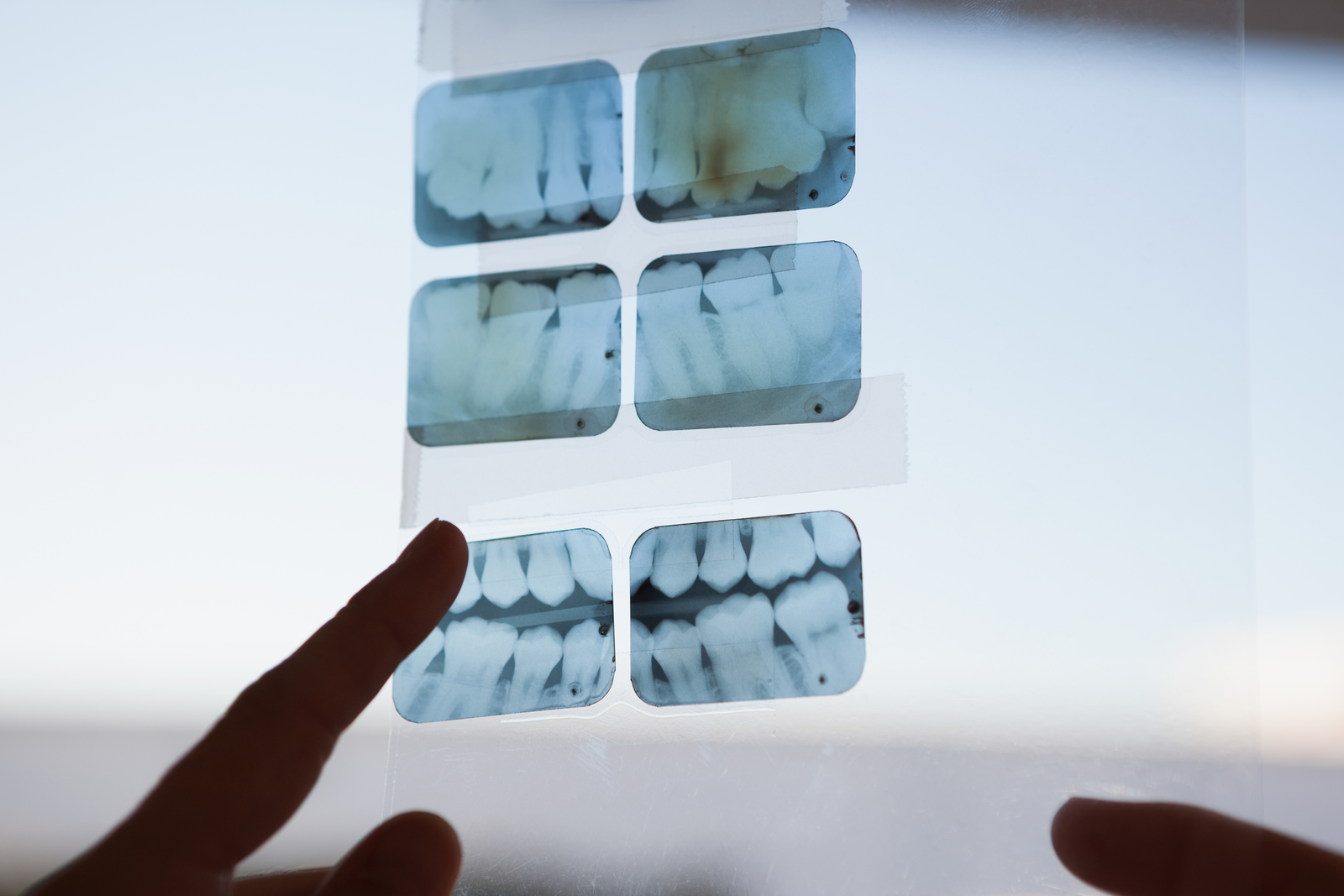
  • Your dentist will conduct a thorough examination of your tooth and surrounding tissues. X-rays help assess the tooth’s internal structure and identify any underlying problems. During this visit, you can discuss your concerns and treatment preferences.
  • The consultation also includes reviewing your medical history and any allergies. This information helps your dentist select appropriate materials and anesthesia options for your procedure.

2. Preparation

  • The preparation appointment involves reshaping your tooth to accommodate the crown. Your dentist will numb the area with local anesthesia to ensure your comfort throughout the procedure.
  • After removing damaged tooth structure, your dentist takes impressions of your prepared tooth. These molds guide the creation of your custom crown. A temporary crown protects your tooth while the permanent restoration is being made.

3. Crown Placement

  • During your final appointment, your dentist removes the temporary crown and checks the fit of your permanent restoration. The crown is carefully adjusted to ensure proper bite alignment and comfort.
  • Once the fit is perfect, your dentist permanently cements the crown in place. They will provide specific aftercare instructions to help you maintain your new restoration.

Your Path to Successful Crown Treatment

  • While potential dangers of dental crowns exist just the same as any other dental procedure, the risks associated with dental crowns are minimal when proper protocols are followed. Choosing an experienced dentist, maintaining good oral hygiene, and following post-treatment instructions significantly reduce your chances of complications.
  • At St. George Dental Care, our team combines advanced technology with personalized care to deliver safe, effective crown treatments. We take time to address your concerns and ensure you feel confident about your treatment plan.
  • Schedule your dental crown consultation with St. George Dental Care today. We can discuss your personal dental health and determine if dental crowns are right for you.

Schedule with Saint George Dental Care Today

  • Request an appointment here: https://www.stgeorgedentalcare.com or call St. George Dental Care at (435) 628-9099 for an appointment in our St George office.

    Check out what others are saying about our services on Yelp: Read our Yelp reviews.

    Recent Posts

    Crown Vs Filling Vs Extraction: Which Dental Treatment Is Right For You?

    When you have a damaged or painful tooth, understanding your options is the first step toward relief. Tooth damage can range from small cavities that are easily repaired to deep cracks or infections that compromise the entire tooth structure. The decision in the crown vs filling debate, or even whether an extraction is necessary, depends…

    Emergency Dentist In St. George, Utah: When To Call And What To Do

    Dental emergencies can feel overwhelming, especially when sudden pain or injury interrupts your life. We understand that finding an "emergency dentist St George Utah" residents can trust during these moments is a top priority, and you are not alone in feeling anxious. Our goal is to help you manage the situation calmly until you can…

    What To Expect At Your First Visit To St. George Dental Care

    Does the thought of walking into a dental office make your palms sweat? You aren't alone. For many, scheduling that first appointment feels daunting, especially if it’s been a few years since your last check-up.But knowing exactly what happens behind the scenes can transform anxiety into confidence. At St. George Dental Care, we believe that…

    How To Choose The Best Dentist In St. George, Utah (What To Look For)

    Whether you are new to Southern Utah or you have lived in the red rocks your whole life, finding a healthcare provider you trust is a significant decision. Your oral health is tied to everything from your confidence to your heart health, so picking a dentist isn't something you want to leave to chance.With so…

Recent Posts

Crown Vs Filling Vs Extraction: Which Dental Treatment Is Right For You?

Crown Vs Filling Vs Extraction: Which Dental Treatment Is Right For You?

When you have a damaged or painful tooth, understanding your options is the first step toward relief. Tooth damage can range from small cavities that are easily repaired to deep cracks or infections that compromise the entire tooth structure. The decision in the crown vs filling debate, or even whether an extraction is necessary, depends…

Emergency Dentist In St  George, Utah: When To Call And What To Do

Emergency Dentist In St. George, Utah: When To Call And What To Do

Dental emergencies can feel overwhelming, especially when sudden pain or injury interrupts your life. We understand that finding an "emergency dentist St George Utah" residents can trust during these moments is a top priority, and you are not alone in feeling anxious. Our goal is to help you manage the situation calmly until you can…