Dental Implants

Am I Too Old for Dental Implants? What Seniors in St. George Should Know

  • It’s one of the most common questions dentists hear from older adults considering tooth replacement: am I too old for dental implants? The concern is understandable. Implants are a surgical procedure; healing can feel like more of an unknown as we get older, and the process involves a longer timeline than some other options.
  • But here’s what most people are relieved to learn: age alone is not a reason to rule out dental implants. At St. George Dental Care, we evaluate each patient as an individual, and the factors that determine implant candidacy have much more to do with bone density, overall health, and specific medical history than with age.

What Actually Determines Implant Candidacy

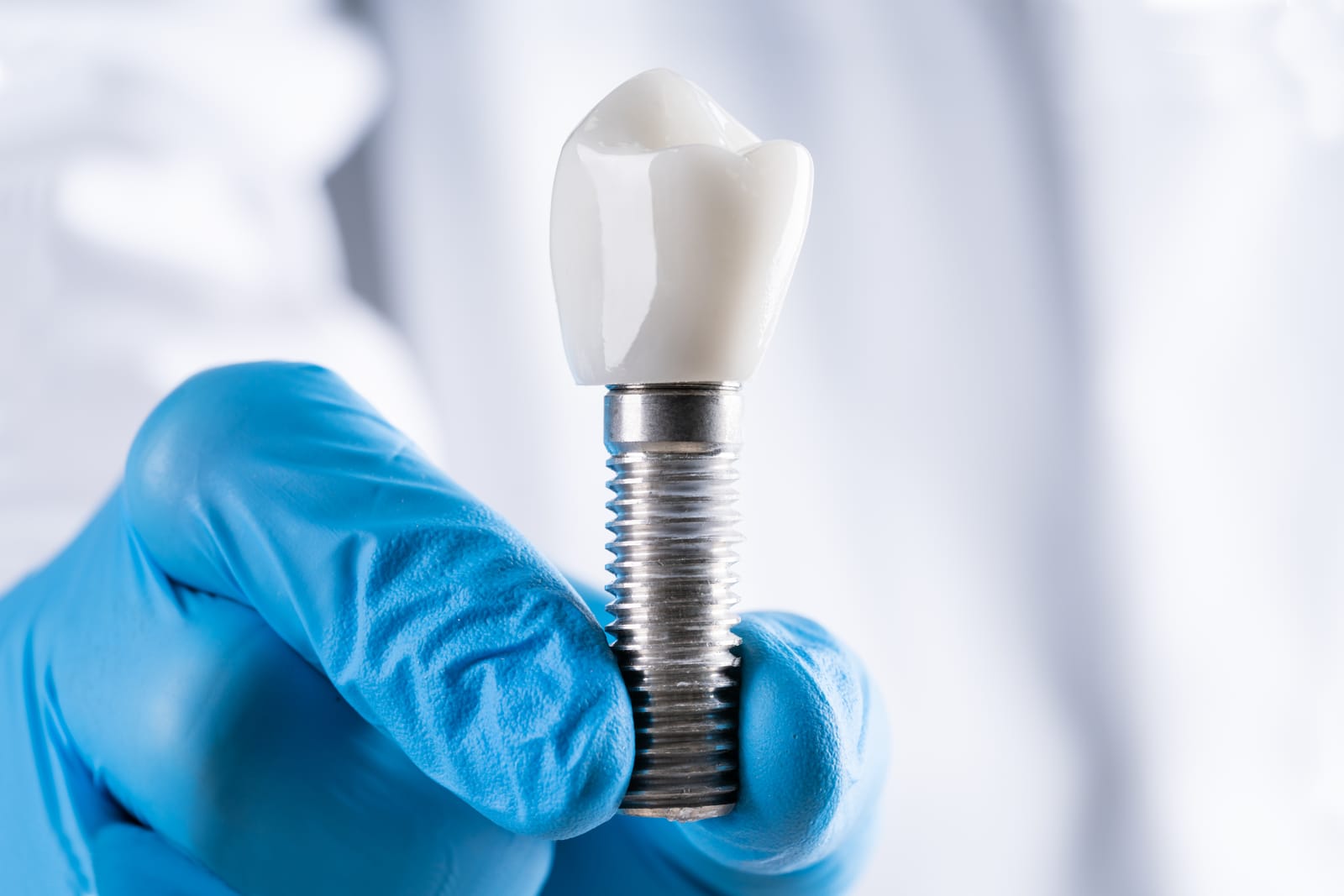
  • Dental implants work by placing a small titanium post into the jawbone, which fuses with the bone over time through a process called osseointegration. Once integrated, the implant acts as an artificial root that supports a crown, bridge, or implant-supported denture.
  • For this process to succeed, a few conditions need to be in place:
  • • Sufficient bone density and volume in the jaw to anchor the implant.
  • • Healthy gum tissue without active periodontal disease.
  • • Overall health that supports healing after a minor surgical procedure.
  • • No uncontrolled systemic conditions that significantly impair healing or increase surgical risk.
  • None of these factors is determined by age alone. Many patients in their 70s and 80s are excellent implant candidates. Others in their 50s may have health conditions or bone loss that require additional evaluation or preparation before implants are appropriate.

How Bone Density Affects Implant Eligibility

  • Bone loss in the jaw is one of the most common challenges for older adults considering implants, but it’s also one that can often be addressed. Bone loss occurs naturally when a tooth is missing because the jawbone is no longer receiving stimulation from the tooth root. The longer a tooth has been missing, the more bone loss is typically present.
  • When bone loss is significant, a bone graft may be needed before or during implant placement to restore adequate volume. Bone grafting is a well-established procedure that most patients tolerate well, though it does extend the overall treatment timeline. In some cases, implant alternatives such as implant-supported dentures or shorter implant designs can accommodate reduced bone volume and require less preparatory work.
  • A dental X-ray or a cone-beam CT scan allows the dentist to evaluate current bone levels and determine what’s needed before moving forward.

Health Conditions That May Affect the Process

  • Certain health conditions are worth discussing with your dentist before pursuing implants, not necessarily because they disqualify you, but because they may affect how the treatment is planned or timed.
  • Conditions commonly reviewed for implant patients include:
  • • Diabetes: Well-controlled diabetes does not prevent implant placement, but uncontrolled blood sugar can impair healing. Patients with managed diabetes have high implant success rates.
  • • Osteoporosis: This condition affects bone density throughout the body, but the impact on the jawbone varies. Medications used to treat osteoporosis, particularly bisphosphonates, do require a specific conversation with your dentist and physician.
  • • Heart Conditions: Most heart conditions do not prevent implant placement, but your dentist will coordinate with your physician to ensure any precautions are addressed.
  • • Blood Thinners: Patients on anticoagulant medications may need temporary adjustments before the procedure, coordinated with their prescribing physician.
  • • Active Cancer Treatment: Radiation to the head and neck area or current chemotherapy may affect healing and will require careful evaluation.
  • The key in each of these situations is communication. A thorough health history review allows the dental team to plan around existing conditions rather than simply ruling out treatment.

What Seniors Can Expect from the Implant Process

  • For patients who are good candidates, the implant process generally follows this timeline:
  • • Initial evaluation, including X-rays and health review.
  • • Any preparatory work, such as extractions or bone grafting, if needed.
  • • Implant placement is performed under local anesthesia, with sedation options available.
  • • Healing period of several months for osseointegration.
  • • Placement of the final crown, bridge, or denture restoration.
  • The process takes longer than dentures or a bridge, but the result is a restoration that functions like a natural tooth, does not require adhesive or removal, and helps preserve the jawbone.
  • For patients with significant tooth loss, implant-supported dentures are another option that provides greater stability than traditional removable dentures with fewer implants than a full individual tooth-by-tooth replacement.

Alternatives If Implants Are Not the Right Fit

  • When implants are not the appropriate choice for a particular patient, there are other effective tooth replacement options:
  • • Traditional dentures or partial dentures replace multiple missing teeth and can be made to fit comfortably.
  • • Dental bridges fill a gap using the neighboring teeth as anchors and do not require surgery.
  • • Implant-supported dentures offer a middle ground, using fewer implants to anchor a full denture and significantly improving stability over traditional removable dentures.
  • Your dentist can walk through the pros and cons of each option based on your specific situation.

Frequently Asked Questions About Implants for Older Adults

  • Is there an age limit for dental implants?
  • There is no upper age limit. Implants are placed in patients well into their 80s when their health and bone structure support it. The minimum age requirement for implants is actually at the younger end of the spectrum, as the jaw must be fully developed before placement.
  • Will healing take longer as I get older?
  • Healing may be somewhat slower in older adults, and the dental team will account for this in the timeline. Most seniors heal well and successfully complete the implant process.
  • Are implants worth it at an older age?
  • Dental implants are designed to last for many years with proper care. For a patient who is in good health and expects to need reliable tooth function for a decade or more, implants are often an excellent long-term investment compared to alternatives that require more ongoing maintenance or replacement.
  • Do you have more questions? Our FAQ page covers many of the topics patients most often ask about.

Schedule a Consultation at St. George Dental Care

  • If you’ve been putting off looking into dental implants because of your age, a consultation is the most practical way to find out what your options actually are. Our team takes the time to thoroughly review your health history, explain what we find, and discuss every option available to you.
  • Phone: (435) 628-9099
  • Address: 444 E Tabernacle St #1, St George, UT 84770

Schedule with Saint George Dental Care Today

  • Request an appointment here: https://www.stgeorgedentalcare.com or call St. George Dental Care at (435) 628-9099 for an appointment in our St George office.

    Check out what others are saying about our services on Yelp: Read our Yelp reviews.

    Recent Posts

    What Is A Missing Tooth Clause? How It Affects Your Dental Insurance

    You finally decide to replace that missing tooth, submit a claim to your insurance, and get an unexpected denial. For a lot of patients, this is the first time they've ever heard the term missing tooth clause. It's confusing, and it can feel like the rug got pulled out from under a plan you were…

    How Often Do Dental Fillings Need To Be Replaced?

    Fillings aren't meant to last forever, even though they can hold up for many years with proper care. Wondering how long yours will last, or noticing something feels different about an old filling, is a completely normal thing to think about.Here's a look at how long different filling materials typically last, the signs that point…

    White Fillings 101: What To Know About Composite Fillings

    Cavities are common, and so is the question that comes right after your dentist finds one. What kind of filling should you get? For most patients today, the answer is a white filling made from composite resin.This guide covers what composite fillings are, how they compare to the old metal kind, what the process looks…

    My Crown Fell Out: What To Do Right Now (and Why It Happened)

    You were eating or brushing, and suddenly something felt off. Now you're holding a small piece of porcelain or metal, staring at a strange gap where your tooth used to look normal. A crown that comes off is unsettling, but it's also one of the more manageable dental emergencies out there.Here's exactly what to do…

St. George Dental Care

Share
Published by
St. George Dental Care

Recent Posts

What Is a Missing Tooth Clause? How It Affects Your Dental Insurance

You finally decide to replace that missing tooth, submit a claim to your insurance, and…

5 days ago

How Often Do Dental Fillings Need to Be Replaced?

Fillings aren't meant to last forever, even though they can hold up for many years…

1 week ago

White Fillings 101: What to Know About Composite Fillings

Cavities are common, and so is the question that comes right after your dentist finds…

2 weeks ago

My Crown Fell Out: What to Do Right Now (and Why It Happened)

You were eating or brushing, and suddenly something felt off. Now you're holding a small…

3 weeks ago

How to Get Rid of a Canker Sore Fast: Remedies That Actually Work

That sharp sting inside your cheek or under your tongue is hard to ignore. Canker…

4 weeks ago

Why Are My Gums Receding? Common Causes and Treatment Options

Most people first notice gum recession while brushing, flossing, or catching their reflection in the…

1 month ago