How Frequently Should You Have an Oral Cancer Screening?
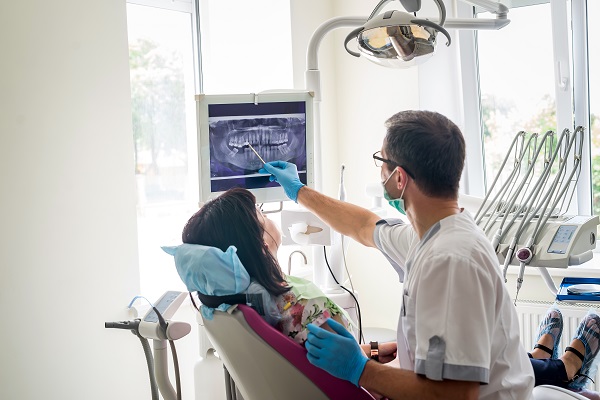
An oral cancer screening is an important part of dentistry as it indicates any warning signs that oral cancer may be present or on its way. Thankfully, these screenings are quick, painless and very easy! General dentists can perform them during a routine checkup appointment, which makes it even easier.
There are two parts of an oral cancer screening, the first being a visual examination where the soft and hard tissues of the mouth are carefully inspected. The second part involves a physical examination, in which the dentist feels around the patient's mouth. One question that often arises in regards to oral cancer is how often an oral cancer screening should take place. Ready to find out?
How often to have an oral cancer screening
Below is an overview of how often oral cancer screenings should be performed. This information can be helpful for patients who are not sure.
Young adults
Children are not typically required to undergo an oral cancer screening, as their risk is quite low. However, once children develop into young adults, most general dentists recommend a screening during a checkup appointment. Patients that are over the age of 20 should undergo an oral cancer screening every three years just to check for any warning signs or abnormalities that may indicate early onset oral cancer.
Adults and the elderly
Once patients reach the age of 40, general dentists recommend that an oral cancer screening take place at least once a year. Most patients are required to visit their dentist twice a year or every six months for a routine checkup. During one of these appointments, the dentist can also perform an oral cancer screening, which will not take long!
Elderly patients that are over the age of 60 are also recommended to undergo an oral cancer screening once a year. In some scenarios, elderly patients are at a higher risk of developing oral cancer, which may make the dentist recommend more frequent screenings.
Other factors
While most general dentists recommend the above guidelines for undergoing an oral cancer screening, there are some other factors that may play into the required frequency. Patients that have older family members who had oral cancer are often more likely to be at risk. Genetics play a big role in things such as oral cancer, which is why frequent screenings may be necessary. Additionally, those that have serious oral health problems may be at a higher risk of developing cancer in their mouths. With that being said, most general dentists recommend oral cancer screenings twice a year, for those who are at higher risk.
Learn more today!
Oral cancer screenings are crucial for maintaining good health. They can quickly catch any signs that may indicate a need for treatment. Working with a general dentist to better understand oral cancer screenings and how often they are needed is a great place to start. Reach out today to learn more or to get started.
Request an appointment here: https://www.stgeorgedentalcare.com or call St. George Dental Care at (435) 628-9099 for an appointment in our St George office.
Check out what others are saying about our services on Yelp: Read our Yelp reviews.
Recent Posts
Getting a dental implant is a significant step toward restoring your smile, and how you care for it in the weeks that follow plays a big role in how well it heals. The good news is that implant aftercare is fairly straightforward once you know what to expect.This guide walks through the healing timeline, how…
Waking up with a sore jaw or a dull headache isn't always about a bad night's sleep. For a lot of people, it's a sign of nighttime teeth grinding, a habit called bruxism that often happens without you ever realizing it.This article covers the common signs of nighttime grinding, why it matters if left untreated,…
"Implants last forever" is a phrase that gets thrown around a lot, and it's not quite accurate. Dental implants are one of the most durable tooth replacement options available, but calling them permanent oversimplifies what actually determines how long they hold up.This article looks at realistic implant lifespan, what factors affect longevity, and what that…
Spotting a small bump on your gum can be startling, especially if it appeared seemingly overnight. Most people search for answers right away, and understandably so. A gum boil looks unusual, but it's a fairly common dental issue with clear causes and a straightforward path to treatment.This guide covers what a gum boil actually is,…