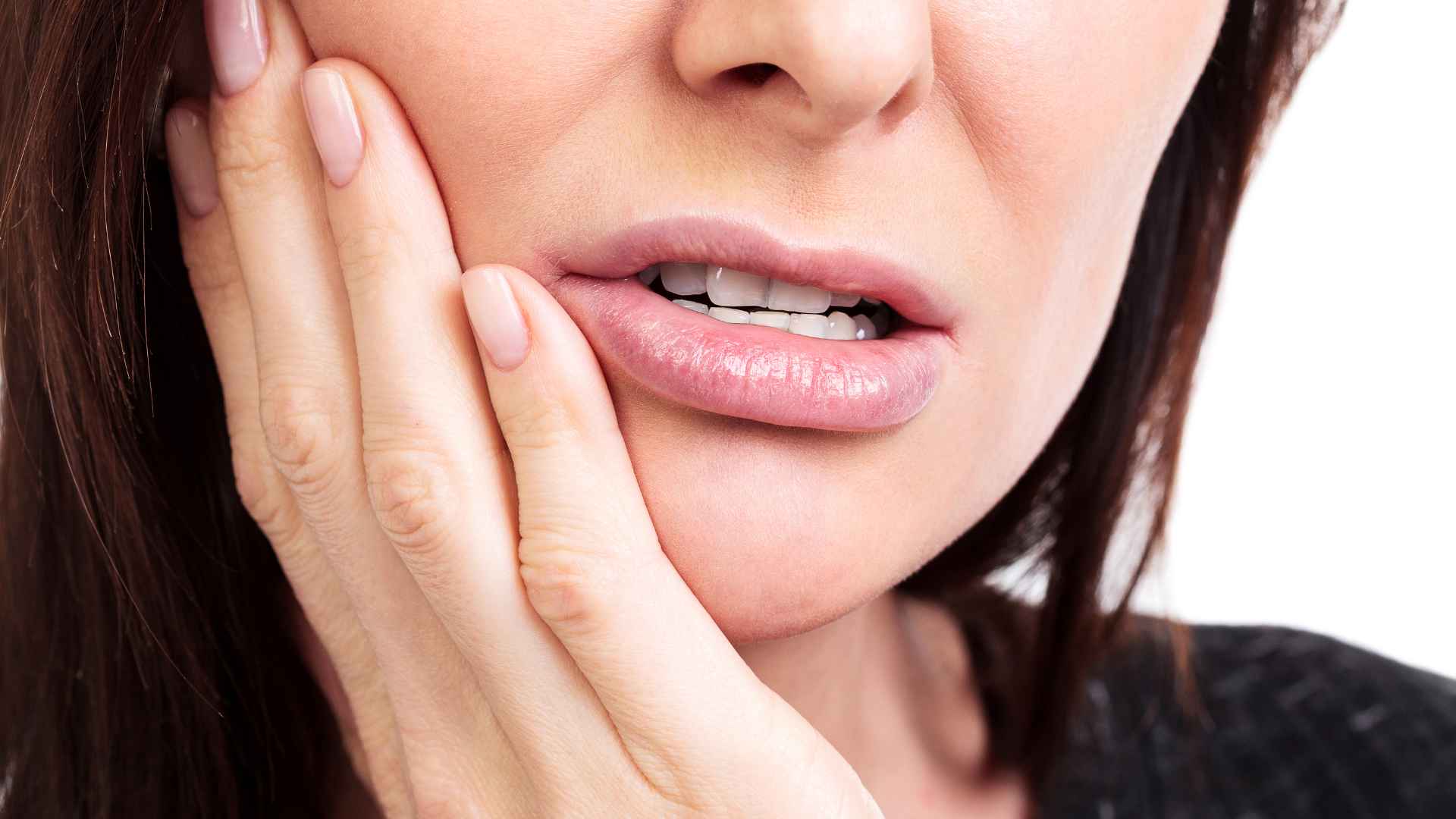
10 Dentist-Approved Soft Foods to Eat After a Tooth Filling

  • Invisalign St George, UT Getting a tooth filling is a common dental procedure that helps restore damaged teeth and prevent further decay. After your appointment, your dentist will likely recommend eating soft foods to avoid discomfort and protect your new filling while it sets properly.
  • Choosing the right soft foods to eat after tooth filling can make your recovery more comfortable and help ensure your filling lasts for years to come. The team at St. George Dental Care has compiled this guide to help you navigate your post-filling diet with confidence.

Soft Foods to Eat After Tooth Filling

  • These ten soft foods provide excellent nutrition while being gentle on your newly filled tooth:

1- Mashed Potatoes

  • Creamy mashed potatoes are perfect after a filling procedure. They require minimal chewing and provide comforting carbohydrates. Make sure they’re not too hot, as temperature sensitivity is common after dental work.

2- Yogurt

  • Plain or lightly flavored yogurt offers protein and probiotics that support overall health. Choose varieties without large fruit pieces or granola that could irritate your filling site. Greek yogurt provides extra protein for healing.

3- Soup

  • Warm (not hot) soups like chicken broth, vegetable soup, or cream-based varieties are excellent choices. Avoid soups with hard vegetables or meat chunks that require extensive chewing.

4- Oatmeal

  • Soft-cooked oatmeal makes a nutritious breakfast option. Let it cool to a comfortable temperature and consider adding mashed banana or a drizzle of honey for extra flavor and nutrients.

5- Scrambled Eggs

  • Soft scrambled eggs provide high-quality protein essential for healing. Cook them with minimal oil and keep them moist and fluffy rather than firm or rubbery.

6- Smoothies

  • Blended fruit smoothies offer vitamins and minerals while being easy to consume. Use a spoon rather than a straw to avoid creating suction that might disturb your filling.

7- Fish

  • Well-cooked fish like salmon, cod, or tilapia flakes easily and provides omega-3 fatty acids. Avoid fried preparations and stick to baked, steamed, or poached options.

8- Well-Cooked Pasta

  • Soft pasta shapes like penne or shells work well when cooked thoroughly. Choose mild sauces rather than acidic tomato-based options that might cause sensitivity.

9- Avocado

  • Ripe avocados are naturally soft and packed with healthy fats. Mash them slightly or cut them into small pieces for easier consumption.

10- Tofu

  • Silken or soft tofu provides plant-based protein and takes on the flavors of whatever seasonings you add. It’s naturally soft and requires minimal chewing effort.

Foods to Avoid After a Tooth Filling

  • Certain foods can damage your new filling or cause unnecessary discomfort:

Hard Foods

  • Avoid nuts, hard candies, ice, and crunchy snacks that could crack or dislodge your filling. Raw carrots and apples should also be avoided initially.

Chewy Foods

  • Skip gum, caramel, taffy, and other sticky substances that can pull at your filling or get stuck around the treated area.

Sticky Foods

  • Foods like peanut butter, dried fruits, and certain candies can adhere to your filling and cause problems during the setting period.

Acidic Foods

  • Citrus fruits, tomatoes, and vinegar-based dressings can increase tooth sensitivity and potentially weaken the bond between your filling and tooth.

Sugary Foods

  • Limit candy, sodas, and sweet treats that feed harmful bacteria and could compromise your oral health around the new filling.

Tips for Eating Comfortably

  • Follow these strategies to make eating more comfortable after your filling:
  • • Take Small Bites: Cutting food into smaller pieces reduces the pressure on your treated tooth and makes chewing easier.
  • • Chew on the Opposite Side: Use the side of your mouth without the new filling whenever possible. This protects the filling while it fully sets.
  • • Maintain Oral Hygiene: Continue brushing and flossing gently around your filling. Good oral hygiene prevents bacteria buildup that could compromise your dental work.
  • • Stay Hydrated: Drink plenty of water to help wash away food particles and bacteria. Room temperature water is best if you’re experiencing sensitivity.

When to Contact St. George Dental Care

  • Reach out to our team if you experience any of these concerns:
  • • Persistent Pain or Sensitivity: While some sensitivity is normal for a few days, severe or prolonged pain warrants professional attention.
  • • Swelling or Inflammation: Unusual swelling around your gums or face could indicate an infection or other complication requiring immediate care.
  • • Loose Filling: If your filling feels loose, rough, or different from when you left our office, contact us immediately for evaluation.
  • • Any Concerns About Healing: Don’t hesitate to call with questions about your recovery process. We’re here to ensure your comfort and success.

Support Your Recovery with Proper Nutrition

  • Following these dietary guidelines helps ensure your filling sets properly and your mouth heals comfortably. Most patients can gradually return to their regular diet within a few days to a week, depending on the size and location of their filling.
  • At St. George Dental Care, we’re committed to supporting your oral health journey from treatment through recovery. Our experienced team provides comprehensive dental services with a focus on patient comfort and education.
  • If you need a filling or have concerns about existing dental work, contact St. George Dental Care today.

Schedule with Saint George Dental Care Today

  • Request an appointment here: https://www.stgeorgedentalcare.com or call St. George Dental Care at (435) 628-9099 for an appointment in our St George office.

    Check out what others are saying about our services on Yelp: Read our Yelp reviews.

    Recent Posts

    What Is A Missing Tooth Clause? How It Affects Your Dental Insurance

    You finally decide to replace that missing tooth, submit a claim to your insurance, and get an unexpected denial. For a lot of patients, this is the first time they've ever heard the term missing tooth clause. It's confusing, and it can feel like the rug got pulled out from under a plan you were…

    How Often Do Dental Fillings Need To Be Replaced?

    Fillings aren't meant to last forever, even though they can hold up for many years with proper care. Wondering how long yours will last, or noticing something feels different about an old filling, is a completely normal thing to think about.Here's a look at how long different filling materials typically last, the signs that point…

    White Fillings 101: What To Know About Composite Fillings

    Cavities are common, and so is the question that comes right after your dentist finds one. What kind of filling should you get? For most patients today, the answer is a white filling made from composite resin.This guide covers what composite fillings are, how they compare to the old metal kind, what the process looks…

    My Crown Fell Out: What To Do Right Now (and Why It Happened)

    You were eating or brushing, and suddenly something felt off. Now you're holding a small piece of porcelain or metal, staring at a strange gap where your tooth used to look normal. A crown that comes off is unsettling, but it's also one of the more manageable dental emergencies out there.Here's exactly what to do…

Recent Posts

What Is A Missing Tooth Clause? How It Affects Your Dental Insurance

What Is A Missing Tooth Clause? How It Affects Your Dental Insurance

You finally decide to replace that missing tooth, submit a claim to your insurance, and get an unexpected denial. For a lot of patients, this is the first time they've ever heard the term missing tooth clause. It's confusing, and it can feel like the rug got pulled out from under a plan you were…

How Often Do Dental Fillings Need To Be Replaced?

How Often Do Dental Fillings Need To Be Replaced?

Fillings aren't meant to last forever, even though they can hold up for many years with proper care. Wondering how long yours will last, or noticing something feels different about an old filling, is a completely normal thing to think about.Here's a look at how long different filling materials typically last, the signs that point…