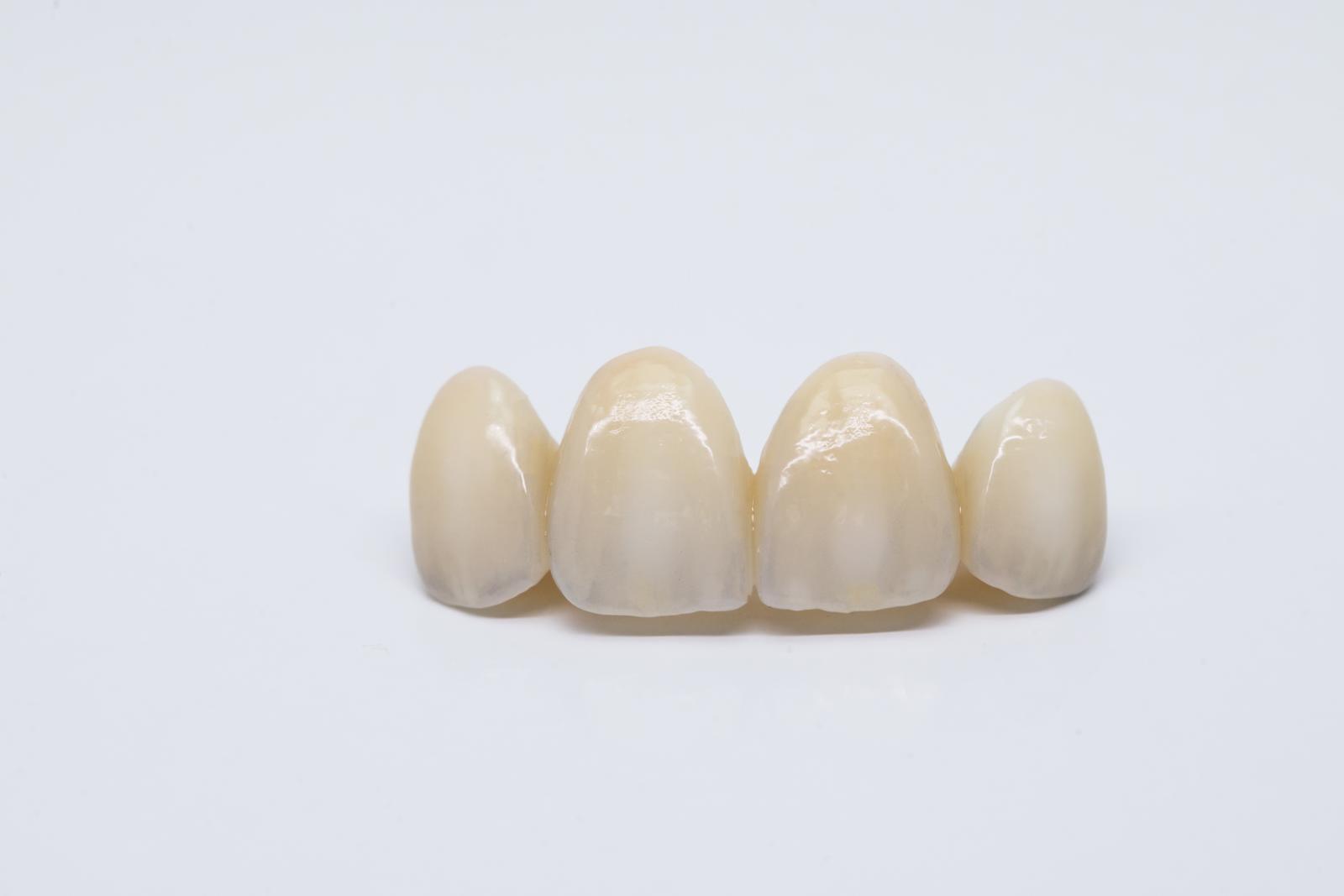
Dental Crowns and Dental Bridges

Signs of Tooth Decay Under Crown and What to Do

  • Dental crowns protect damaged teeth effectively. However, they can still develop problems. One concerning issue is tooth decay under crown structures. This decay can happen silently, causing serious oral health problems if left untreated.
  • The experienced team at St. George Dental Care understands how alarming this situation can be. Additionally, many patients worry when they notice changes around their crowns. Furthermore, some patients panic when their crown falls off, revealing a blackened tooth underneath. Recognizing the warning signs early can save your tooth and prevent more extensive treatment.

What Causes Tooth Decay Under a Crown?

  • Understanding the causes helps you prevent future problems. Several factors contribute to tooth decay under crown restorations:
  • • Poor crown fit creates gaps where bacteria can enter. When crowns don’t seal properly against your tooth, harmful bacteria find their way underneath. These bacteria multiply and produce acids that attack your tooth structure.
  • • Cracks or chips in the crown compromise its protective barrier. Even small damage can allow bacteria to penetrate the crown’s seal. Over time, these openings become larger, increasing the risk of decay.
  • • Receding gum lines expose the crown’s edge and underlying tooth structure. As gums pull away from the crown, they create pockets where bacteria accumulate. This area can be challenging to clean with regular brushing and flossing.
  • • Inadequate oral hygiene allows plaque and bacteria to build up around the crown. Poor brushing and flossing habits create the perfect environment for decay to develop.

Signs and Symptoms

  • Recognizing these warning signs helps you seek treatment promptly:
  • • Pain or sensitivity around the crowned tooth signals potential problems. This discomfort may worsen when eating hot or cold foods. Moreover, the pain might be constant or occur only when biting down.
  • • Swelling or redness of the gums near the crown may indicate an infection. Your gums may appear puffy or feel tender to the touch. Additionally, you might notice bleeding when brushing or flossing around the crown.
  • • Bad breath or foul taste that doesn’t improve with brushing suggests a bacterial infection. The decay process produces sulfur compounds that create unpleasant odors. Furthermore, this symptom often worsens throughout the day.
  • • Loose or unstable crown movement indicates the underlying tooth structure has weakened. You may notice the crown shifting when you bite down or chew. Also, the crown might feel different when you run your tongue over it.
  • • Dark spots or shadows around the crown’s edge reveal underlying decay. These discolored areas may appear gray, brown, or black in color. Similarly, you might notice these changes in dental X-rays during routine checkups.

My Crown Fell Off and My Tooth Is Black

  • This situation requires immediate attention from a dental professional. When your crown falls off and the tooth underneath appears black, it typically indicates severe decay or tooth death.
  • The black color suggests the tooth’s inner pulp has died due to infection or trauma. This condition, known as pulp necrosis, indicates that the tooth’s nerve and blood supply have been compromised. Without the crown’s protection, the damaged tooth becomes vulnerable to further infection.
  • Seek emergency dental care immediately if you experience this situation. The exposed tooth needs professional treatment to prevent the infection from spreading. Additionally, delaying treatment can lead to more serious complications, including tooth loss.

What to Do If You Suspect Decay

  • Take these steps if you notice any warning signs:
  • 1. Contact St. George Dental Care immediately to schedule an urgent appointment. Our experienced team can evaluate your crown and determine the best treatment approach. Don’t wait for symptoms to worsen, as early intervention often leads to better outcomes.
  • 2. Explain your symptoms and concerns clearly when you call. Describe any pain, sensitivity, or visual changes you’ve noticed. This information helps our team understand the urgency of your situation.
  • 3. Schedule a thorough examination to assess the extent of the problem. Our dental professionals use advanced diagnostic tools to evaluate your crown and surrounding tooth structure. We’ll also take X-rays to check for hidden decay or infection.

Treatment Options

  • The treatment approach depends on the severity of decay and damage:
  • • Crown removal allows our team to access the affected tooth structure. This step is necessary to clean away decay and assess the tooth’s condition. During this process, we carefully preserve as much healthy tooth structure as possible.
  • • Cleaning and treatment of the decayed area removes infected tissue and bacteria. Our team uses specialized instruments to eliminate all traces of decay. This thorough cleaning prepares the tooth for restoration.
  • • Root canal treatment may be necessary if decay has reached the tooth’s pulp. This procedure removes infected nerve tissue and seals the tooth’s interior to prevent further infection. Root canal treatment can often save a severely damaged tooth.
  • • Crown replacement with a new, properly fitted restoration completes the treatment. Our team ensures the new crown fits perfectly and seals completely against your tooth. This protection prevents future decay and restores your tooth’s function.

Protect Your Smile with Professional Care

  • Tooth decay under crown restorations requires prompt professional treatment. Ignoring these warning signs can lead to tooth loss, infection, and more complex dental problems. The skilled team at St. George Dental Care has the expertise to diagnose and treat crown-related issues effectively.
  • Don’t let crown problems compromise your oral health. Contact St. George Dental Care today to schedule your examination. Our comprehensive approach ensures you receive the best possible care for your dental needs.

Schedule with Saint George Dental Care Today

  • Request an appointment here: https://www.stgeorgedentalcare.com or call St. George Dental Care at (435) 628-9099 for an appointment in our St George office.

    Check out what others are saying about our services on Yelp: Read our Yelp reviews.

    Recent Posts

    Caring For Your New Dental Implant: A Simple Aftercare Guide

    Getting a dental implant is a significant step toward restoring your smile, and how you care for it in the weeks that follow plays a big role in how well it heals. The good news is that implant aftercare is fairly straightforward once you know what to expect.This guide walks through the healing timeline, how…

    Do You Need A Night Guard? Understanding Teeth Grinding And Treatment Options

    Waking up with a sore jaw or a dull headache isn't always about a bad night's sleep. For a lot of people, it's a sign of nighttime teeth grinding, a habit called bruxism that often happens without you ever realizing it.This article covers the common signs of nighttime grinding, why it matters if left untreated,…

    How Long Do Dental Implants Last? A Realistic Look At Implant Lifespan

    "Implants last forever" is a phrase that gets thrown around a lot, and it's not quite accurate. Dental implants are one of the most durable tooth replacement options available, but calling them permanent oversimplifies what actually determines how long they hold up.This article looks at realistic implant lifespan, what factors affect longevity, and what that…

    What Is A Gum Boil? Causes, Symptoms, And When To See A Dentist

    Spotting a small bump on your gum can be startling, especially if it appeared seemingly overnight. Most people search for answers right away, and understandably so. A gum boil looks unusual, but it's a fairly common dental issue with clear causes and a straightforward path to treatment.This guide covers what a gum boil actually is,…

St. George Dental Care

Share
Published by
St. George Dental Care

Recent Posts

Caring for Your New Dental Implant: A Simple Aftercare Guide

Getting a dental implant is a significant step toward restoring your smile, and how you…

15 hours ago

Do You Need a Night Guard? Understanding Teeth Grinding and Treatment Options

Waking up with a sore jaw or a dull headache isn't always about a bad…

6 days ago

How Long Do Dental Implants Last? A Realistic Look at Implant Lifespan

"Implants last forever" is a phrase that gets thrown around a lot, and it's not…

4 weeks ago

What Is a Gum Boil? Causes, Symptoms, and When to See a Dentist

Spotting a small bump on your gum can be startling, especially if it appeared seemingly…

4 weeks ago

Signs of a Cavity: What Early Tooth Decay Looks and Feels Like

Cavities don't usually show up overnight. They develop slowly, and the earliest signs are often…

4 weeks ago

Wisdom Teeth Removal Cost: What St. George Patients Can Expect to Pay

Wisdom teeth removal is one of the most common dental procedures, and it's also one…

1 month ago