Why Does My Tooth Hurt When I Bite Down? 7 Possible Causes

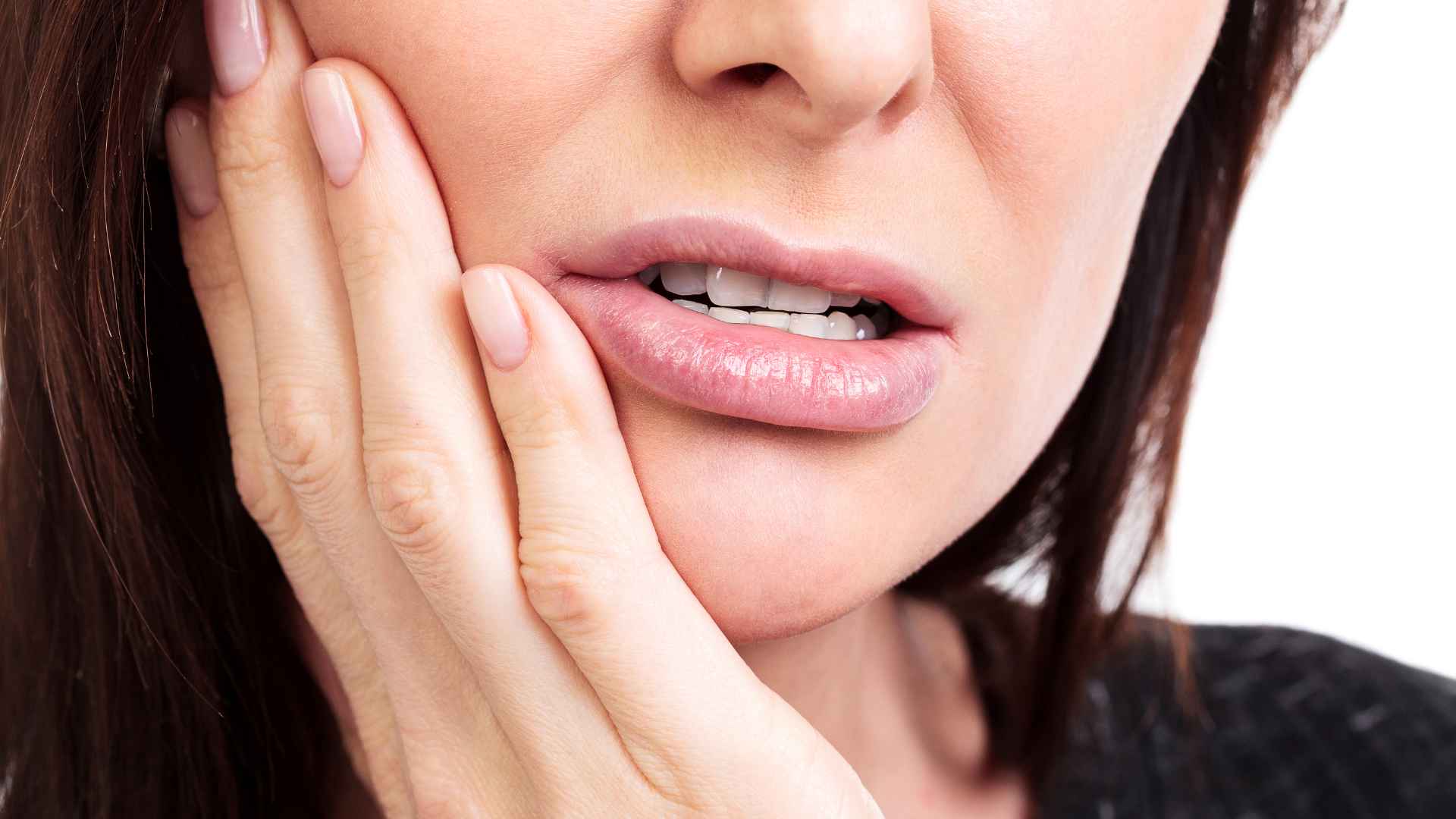
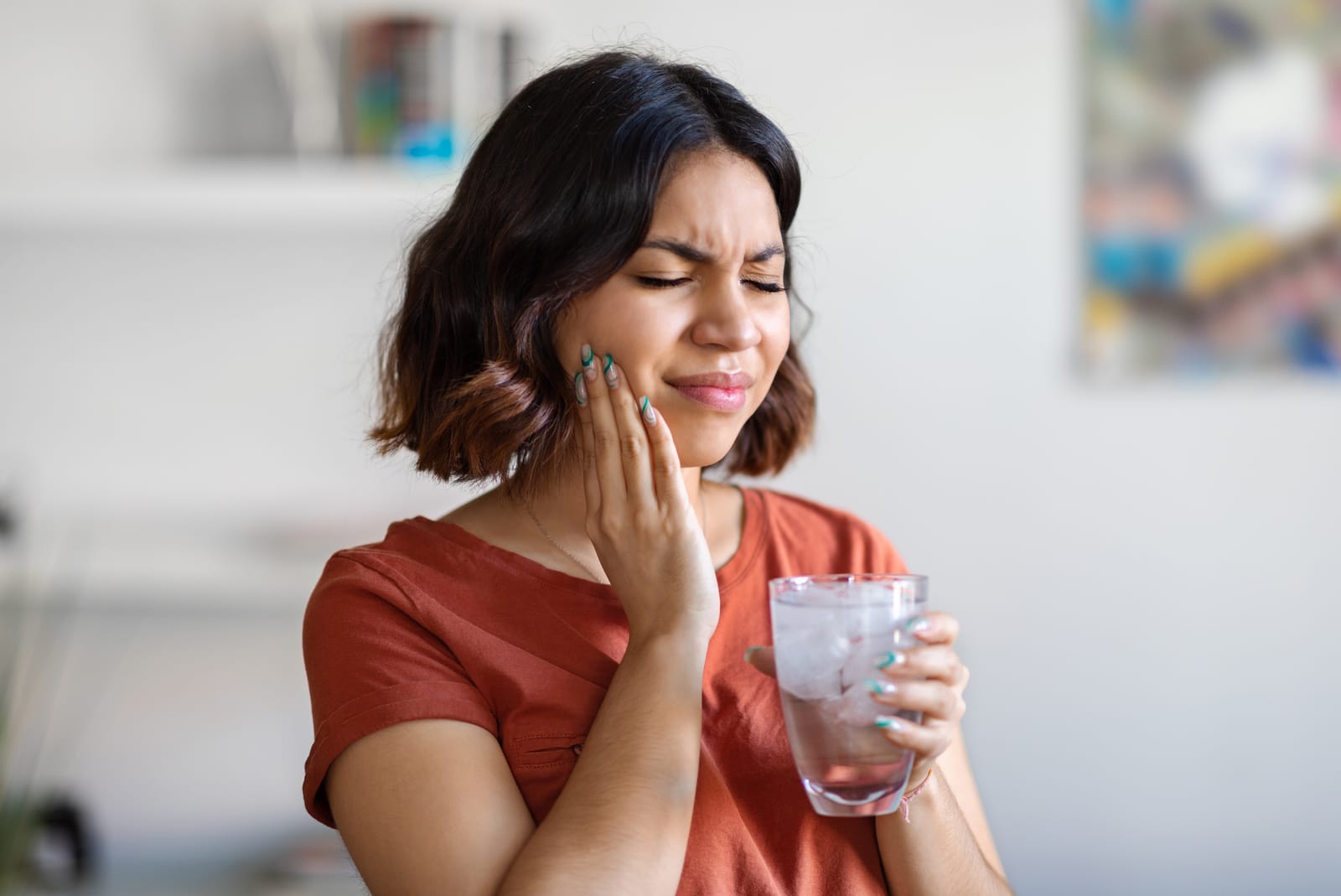
  • Tooth Pain When Biting St George, UT Tooth pain that shows up specifically when you bite or chew is different from a constant ache. It tends to be sharp, sudden, and sometimes hard to pin down to a single tooth. That specificity is actually useful, because pain triggered by pressure usually points to one of a handful of causes that a dentist can identify and treat.
  • This article covers seven common reasons a tooth hurts when biting down, how to tell occasional sensitivity from something that needs attention, and when to get seen quickly, brought to you by St. George Dental Care.
  • Disclaimer: This article is for educational purposes only and does not replace professional dental advice, diagnosis, or treatment. If you are experiencing tooth pain, schedule an evaluation with a qualified dental professional.

What Makes Bite-Triggered Pain Different

  • General toothaches can linger constantly or throb without any obvious trigger. Pain that appears specifically when biting or chewing is a different pattern, and it gives your dentist an important clue. Pressure-related pain usually means something physical is happening when force is applied, whether that’s a crack flexing, a loose filling shifting, or an inflamed nerve responding to compression.
  • This article focuses specifically on discomfort triggered by biting and chewing, since that pattern usually points to a physical cause your dentist can identify.

7 Possible Causes of Tooth Pain When Biting Down

1. A Cracked or Fractured Tooth

  • A cracked tooth is one of the most common reasons for sharp pain when biting down. The crack may be too small to see with the naked eye, but when you apply pressure while chewing, the two sides of the crack flex slightly. That movement irritates the nerve inside the tooth.
  • Crack-related pain often has a very specific quality. It tends to be sharp and brief, appearing the moment you bite and sometimes easing when you release pressure. It may also be worse when you chew on a certain side or bite into something hard. Cracks can worsen over time if left untreated, eventually reaching the root or causing the tooth to split further.

2. A Loose, Damaged, or Missing Filling

  • A filling that has cracked, loosened, or fallen out leaves part of the tooth unprotected. The exposed area is more sensitive to pressure and temperature, and an ill-fitting filling can also create uneven bite pressure that concentrates force on the wrong spot.
  • If pain started around the same time you noticed a filling felt rough, loose, or different when you bite, that’s a strong signal the two are connected. A replacement filling or dental crown usually resolves this quickly.

3. A Cavity That Has Reached the Inner Tooth

  • Early cavities don’t usually cause pain from biting. But when decay works its way deeper into the tooth toward the dentin or pulp, pressure while chewing can trigger a noticeable ache or sharp twinge. The pain from a deeper cavity often lingers for a moment after you stop chewing rather than disappearing immediately.
  • Catching a cavity before it reaches this stage is one of the main reasons routine checkups matter. A dental cleaning and examination gives your dentist the chance to spot decay while it’s still small.

4. A Dental Infection or Abscess

  • When bacteria reach the pulp of the tooth, an infection can develop. This is called a tooth abscess, and it often produces a throbbing, persistent pain that gets significantly worse when pressure is applied during chewing. Other signs that point toward infection include swelling around the tooth or jaw, a bad taste in your mouth, visible swelling on the gum, and sensitivity to both hot and cold that lingers after the temperature source is removed.
  • A dental abscess doesn’t resolve on its own. It requires professional treatment, and in some cases, it can become serious if left unaddressed. This is one situation where prompt care matters more than waiting to see if it improves.

5. An Inflamed Tooth Nerve

  • Even without a visible cavity or crack, the nerve inside a tooth can become inflamed. This condition, called pulpitis, makes the tooth highly sensitive to pressure, temperature, and biting. Reversible pulpitis can sometimes calm down with treatment of the underlying cause. Irreversible pulpitis, where the nerve is too damaged to recover, typically requires a root canal to relieve the pain permanently.
  • The pain from an inflamed nerve often feels disproportionate to what triggered it. Biting into something soft might cause a sharp response, and the discomfort may linger longer than expected.

6. Gum Disease or a Gum Abscess

  • Gum problems don’t just cause bleeding and swelling. Advanced gum disease can affect the bone and tissue supporting a tooth, leaving it slightly loose or changing the way it handles bite pressure. A gum abscess, which is an infection in the gum tissue rather than inside the tooth itself, can also make chewing on that side uncomfortable.
  • Gum-related bite pain is often accompanied by other symptoms, including bleeding when brushing, gum recession, or visible swelling near the painful tooth.

7. A High Bite or Uneven Bite Pressure

  • Sometimes the cause has nothing to do with decay or damage. A filling, crown, or other dental restoration that sits slightly too high creates uneven pressure every time your teeth come together. That repetitive force on one spot can inflame the ligament surrounding the tooth root, causing noticeable pain when biting.
  • This type of pain often develops in the days after a dental procedure and feels like a generalized soreness rather than a sharp localized twinge. The fix is simple: your dentist adjusts the height of the restoration, and the pain typically resolves within a few days.

Occasional Sensitivity vs Pain That Needs Evaluation

  • A brief twinge when biting into something very hard or cold is not always cause for concern. Teeth can be temporarily sensitive after a recent dental procedure, after teeth whitening, or during illness. That kind of sensitivity usually fades on its own within a few days.
  • Pain that needs professional attention has a different character. Watch for these patterns.
  • • Pain that appears consistently every time you bite or chew, not just occasionally
  • • Sharp or throbbing pain that lingers after you stop chewing
  • • Pain that has been getting worse over days or weeks
  • • Sensitivity that has spread to multiple teeth or the jaw
  • • Difficulty eating because of the discomfort
  • • Any accompanying swelling, fever, or bad taste
  • If your pain fits any of these descriptions, a dental evaluation will give you a clear answer and prevent the problem from getting harder to treat.

When Biting Pain Becomes Urgent

  • Most causes of bite-related tooth pain are treatable without urgency, but a few situations call for same-day attention.
  • • Severe throbbing pain that doesn’t respond to over-the-counter pain relief
  • • Visible swelling in the face, jaw, or neck
  • • Fever alongside tooth pain
  • • Difficulty swallowing or opening your mouth fully
  • • A tooth that has cracked visibly or feels like it is moving
  • These signs can indicate a spreading infection or structural damage that worsens quickly without care. Emergency dental care is available for situations that can’t wait for a routine appointment.

Frequently Asked Questions

  • Why does my tooth hurt only when I bite down and not at other times?
  • Pain triggered specifically by pressure usually points to something physical happening when force is applied, such as a crack flexing, a loose filling shifting, or an inflamed ligament responding to uneven bite pressure.
  • Can a cracked tooth heal on its own?
  • No. Cracks don’t repair themselves. Without treatment, most cracks worsen over time. Early treatment gives the tooth the best chance of being saved without extraction.
  • Why does the pain linger after I stop chewing?
  • Lingering pain after pressure is released often points to nerve involvement, either from deep decay, pulpitis, or an abscess. This pattern is worth having checked promptly.
  • Is it safe to keep eating normally if my tooth hurts when I bite?
  • Avoid chewing on the affected side until you’re seen. Continued pressure on a cracked or damaged tooth can worsen the problem.
  • How will my dentist figure out which tooth is causing the pain?
  • Dentists use several tools to isolate the source, including X-rays, percussion tests where they tap individual teeth, and bite pressure tests using a small instrument. The pattern of your pain helps narrow it down significantly.
  • Could gum disease be causing my bite pain even if my teeth look fine?
  • Yes. Gum disease can affect the bone and tissue supporting a tooth without obvious visible changes to the tooth itself. A thorough exam checks both the teeth and the surrounding structures. Visit our FAQ page for more answers to common dental questions.

Get a Clear Answer on Your Tooth Pain

  • Pain when biting or chewing is your tooth’s way of flagging that something needs attention. Whether the cause is a small crack, a worn filling, or an inflamed nerve, most of these issues are very treatable when caught early.
  • St. George Dental Care can evaluate what’s going on and get you comfortable again. Don’t wait for the pain to get worse.

Schedule with Saint George Dental Care Today

  • Request an appointment here: https://www.stgeorgedentalcare.com or call St. George Dental Care at (435) 628-9099 for an appointment in our St George office.

    Check out what others are saying about our services on Yelp: Read our Yelp reviews.

    Recent Posts

    My Filling Fell Out: What Should I Do And Is It An Emergency?

    A filling falling out is startling, but it's not usually a dental emergency in the same way a knocked-out tooth or severe infection is. That said, it's not something to put off for weeks either. A lost filling leaves the tooth exposed and vulnerable, and the sooner a dentist evaluates it, the simpler the repair…

    What Is A Missing Tooth Clause? How It Affects Your Dental Insurance

    You finally decide to replace that missing tooth, submit a claim to your insurance, and get an unexpected denial. For a lot of patients, this is the first time they've ever heard the term missing tooth clause. It's confusing, and it can feel like the rug got pulled out from under a plan you were…

    How Often Do Dental Fillings Need To Be Replaced?

    Fillings aren't meant to last forever, even though they can hold up for many years with proper care. Wondering how long yours will last, or noticing something feels different about an old filling, is a completely normal thing to think about.Here's a look at how long different filling materials typically last, the signs that point…

    White Fillings 101: What To Know About Composite Fillings

    Cavities are common, and so is the question that comes right after your dentist finds one. What kind of filling should you get? For most patients today, the answer is a white filling made from composite resin.This guide covers what composite fillings are, how they compare to the old metal kind, what the process looks…

Recent Posts

My Filling Fell Out: What Should I Do And Is It An Emergency?

My Filling Fell Out: What Should I Do And Is It An Emergency?

A filling falling out is startling, but it's not usually a dental emergency in the same way a knocked-out tooth or severe infection is. That said, it's not something to put off for weeks either. A lost filling leaves the tooth exposed and vulnerable, and the sooner a dentist evaluates it, the simpler the repair…

What Is A Missing Tooth Clause? How It Affects Your Dental Insurance

What Is A Missing Tooth Clause? How It Affects Your Dental Insurance

You finally decide to replace that missing tooth, submit a claim to your insurance, and get an unexpected denial. For a lot of patients, this is the first time they've ever heard the term missing tooth clause. It's confusing, and it can feel like the rug got pulled out from under a plan you were…