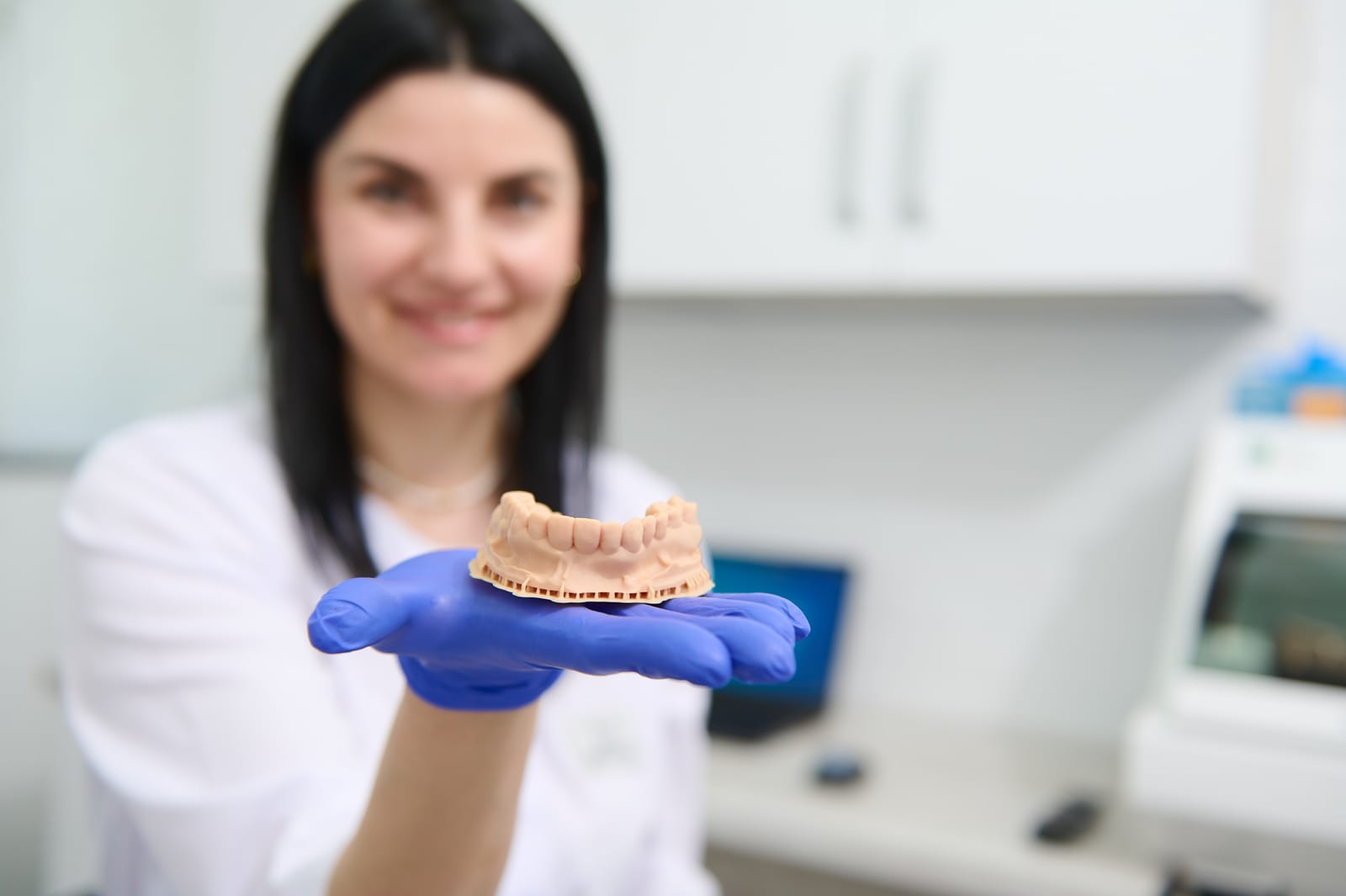
• Your smile is one of your most valuable assets, and maintaining it can significantly impact your confidence and overall well-being. When it comes to improving or restoring dental health, two popular options often come into consideration: veneers vs dentures. But which is right for you?
  • At St. George Dental Care, we believe in empowering our patients to make informed decisions about their oral health. This blog will break down the key differences between veneers vs dentures, highlight their advantages and disadvantages, and help you determine the best option for your personal goals.

What Are Veneers?

  • Veneers are a sleek, durable option to enhance the appearance of your teeth. They are thin, custom-made shells typically designed to cover the front surface of teeth, improving both aesthetics and minor functional concerns.

Types of Veneers

  • This dental treatment is available in two main types:
  • • Porcelain: Known for their durability and natural-looking appearance, they resist staining and can last over ten years with proper care.
  • • Composite: These are more affordable than porcelain and can often be completed in a single dental visit. While less durable, they are still an excellent option for budget-conscious patients.

Who Are Veneers Ideal For?

  • Veneers are an ideal solution for individuals aiming to rectify aesthetic imperfections in their teeth. They are particularly beneficial for discolored teeth, as this dental treatment can provide a uniform and bright appearance. Additionally, individuals with chips or cracks in their teeth can find veneers to be a perfect remedy to restore their smile. They are also suitable for addressing minor gaps or misalignments, offering a seamless look without the need for orthodontic treatment. Moreover, people with irregularly shaped or worn-down teeth can significantly benefit from veneers, as they help create a more polished and harmonious dental aesthetic.

Pros and Cons of Veneers

  • Pros:
  • • Long-lasting with high durability (especially porcelain veneers)
  • • Natural and lifelike appearance
  • • Minimal maintenance
  • • Stain-resistant
  • Cons:
  • • Irreversible procedure (a small layer of enamel is removed)
  • • Higher upfront cost, especially for porcelain options
  • • Less effective for severe tooth damage or missing teeth

What Are Dentures?

  • Dentures are custom-fitted appliances designed to replace missing teeth and restore functionality. Unlike veneers, which are only cosmetic, dentures replace an entire section of your teeth, making them ideal for patients with numerous missing or damaged teeth.

Types of Dentures

  • Here’s a quick overview of the main types:
  • • Full: Replace all teeth in the upper or lower jaw with a removable appliance.
  • • Partial: Designed to fill gaps when only some teeth are missing, these are supported by your natural teeth.
  • • Implant-Supported: Securely anchored with dental implants for improved stability and function.

Who Are Dentures Ideal For?

  • Dentures are best for individuals who need to restore significant tooth loss due to age, injury, or dental health issues.

Pros and Cons of Dentures

  • Pros:
  • • Affordable option to replace multiple teeth
  • • Restore chewing functions and speech
  • • Customizable and tailored to your comfort
  • • Implant-supported dentures provide added stability
  • Cons:
  • • Require regular adjustments due to jawbone changes
  • • Removable versions may not feel as secure or natural as implants
  • • May require adhesives for proper fit

Veneers vs. Dentures: The Key Differences

Coverage Area

  • • Veneers: Cover the front surface of natural teeth. Ideal for cosmetic improvements.
  • • Dentures: Replace entire missing teeth or sections, restoring full function.

Permanence and Lifespan

  • • Veneers: Semi-permanent, lasting 10–15 years with proper care.
  • • Dentures: Removable, with full dentures typically lasting 5–8 years before needing replacement. Implant-supported options can last longer.

Cost Comparison

  • • Veneers: Higher initial cost, but the long lifespan offsets the expense.
  • • Dentures: Affordable upfront, but maintenance and eventual replacement costs accumulate over time.

Maintenance and Care

  • • Veneers: Require regular brushing, flossing, and bi-annual dental visits.
  • • Dentures: Need daily cleaning, occasional remolding or adjustment, and proper overnight storage.

Factors to Consider When Choosing

  • • Ideal for front teeth or those visible when you smile.
  • When deciding between veneers vs dentures, it is crucial to assess your individual needs and lifestyle. There are several factors to take into account. Firstly, consider your oral health condition. If you have natural teeth that are damaged yet repairable, veneers might be the ideal choice. Conversely, if you are missing most of your teeth or require extensive dental work, dentures may be more suitable.
  • Secondly, think about your aesthetic goals. Veneers are excellent for enhancing the appearance of chipped or discolored teeth, providing a natural and polished look. However, dentures can offer greater coverage for a functional and complete smile makeover. Budget is another important consideration.
  • While veneers, particularly porcelain ones, represent a higher initial investment, they provide long-term value. In contrast, dentures are often more cost-effective upfront but necessitate ongoing maintenance. Additionally, examine your lifestyle. Implant-supported dentures might be preferable if your daily routine requires a secure and convenient solution. Removable dentures, however, may demand more upkeep.
  • Veneers vs dentures isn’t a one-size-fits-all decision—each has unique benefits. Veneers typically blend effortlessly into daily life without requiring extra effort, while dentures may offer broader restorative function.

Your Smile, Your Choice

  • Both veneers and dentures offer incredible benefits, but the right solution depends on your oral health, aesthetic aspirations, and lifestyle. For a personalized recommendation, we encourage consulting with our dental experts at St. George Dental Care. Together, we’ll create a treatment plan that perfectly suits your needs.
  • Your smile deserves the best care. Let’s achieve it together!

Schedule with Saint George Dental Care Today

  • Request an appointment here: https://www.stgeorgedentalcare.com or call St. George Dental Care at (435) 628-9099 for an appointment in our St George office.

    Check out what others are saying about our services on Yelp: Read our Yelp reviews.

    Recent Posts

    Wisdom Teeth Removal Cost: What St. George Patients Can Expect To Pay

    Wisdom teeth removal is one of the most common dental procedures, and it's also one where cost varies a lot from patient to patient. The final number depends on how many teeth are coming out, whether they're impacted, and what kind of sedation you choose.This guide breaks down what drives the cost of wisdom teeth…

    Dental Bridge Cost: What Goes Into The Price And What To Expect

    Replacing a missing tooth is one of the more significant dental decisions you'll make, and cost is almost always part of the conversation. A dental bridge is one of the most common tooth replacement options, but pricing can vary quite a bit depending on several factors that aren't always obvious upfront.This article breaks down what…

    What Are White Spots On My Teeth And Can They Go Away?

    White spots on teeth are more common than most people realize, and they show up for several different reasons. Some are harmless and purely cosmetic. Others are early signs of a problem worth addressing before it gets worse.Knowing the difference starts with understanding what's actually causing the spot.Disclaimer: This article is for educational purposes only…

    Can A Cavity Heal On Its Own? When Is It Too Late For A Filling?

    It's a question a lot of people ask, usually after spotting something on a dental X-ray or noticing a new twinge of sensitivity. Can a cavity actually heal without treatment, or does every cavity need a dentist's drill?The answer depends on how far along the decay actually is. Early tooth decay and a true cavity…

St. George Dental Care

Share
Published by
St. George Dental Care

Recent Posts

Wisdom Teeth Removal Cost: What St. George Patients Can Expect to Pay

Wisdom teeth removal is one of the most common dental procedures, and it's also one…

3 days ago

Dental Bridge Cost: What Goes Into the Price and What to Expect

Replacing a missing tooth is one of the more significant dental decisions you'll make, and…

5 days ago

What Are White Spots on My Teeth and Can They Go Away?

White spots on teeth are more common than most people realize, and they show up…

1 week ago

Can a Cavity Heal on Its Own? When Is It Too Late for a Filling?

It's a question a lot of people ask, usually after spotting something on a dental…

2 weeks ago

Why Is My Adult Tooth Loose? Can a Permanent Tooth Be Saved?

A loose permanent tooth feels alarming, and for good reason. Unlike baby teeth, adult teeth…

2 weeks ago

Why Does My Tooth Hurt When I Bite Down? 7 Possible Causes

Tooth pain that shows up specifically when you bite or chew is different from a…

4 weeks ago