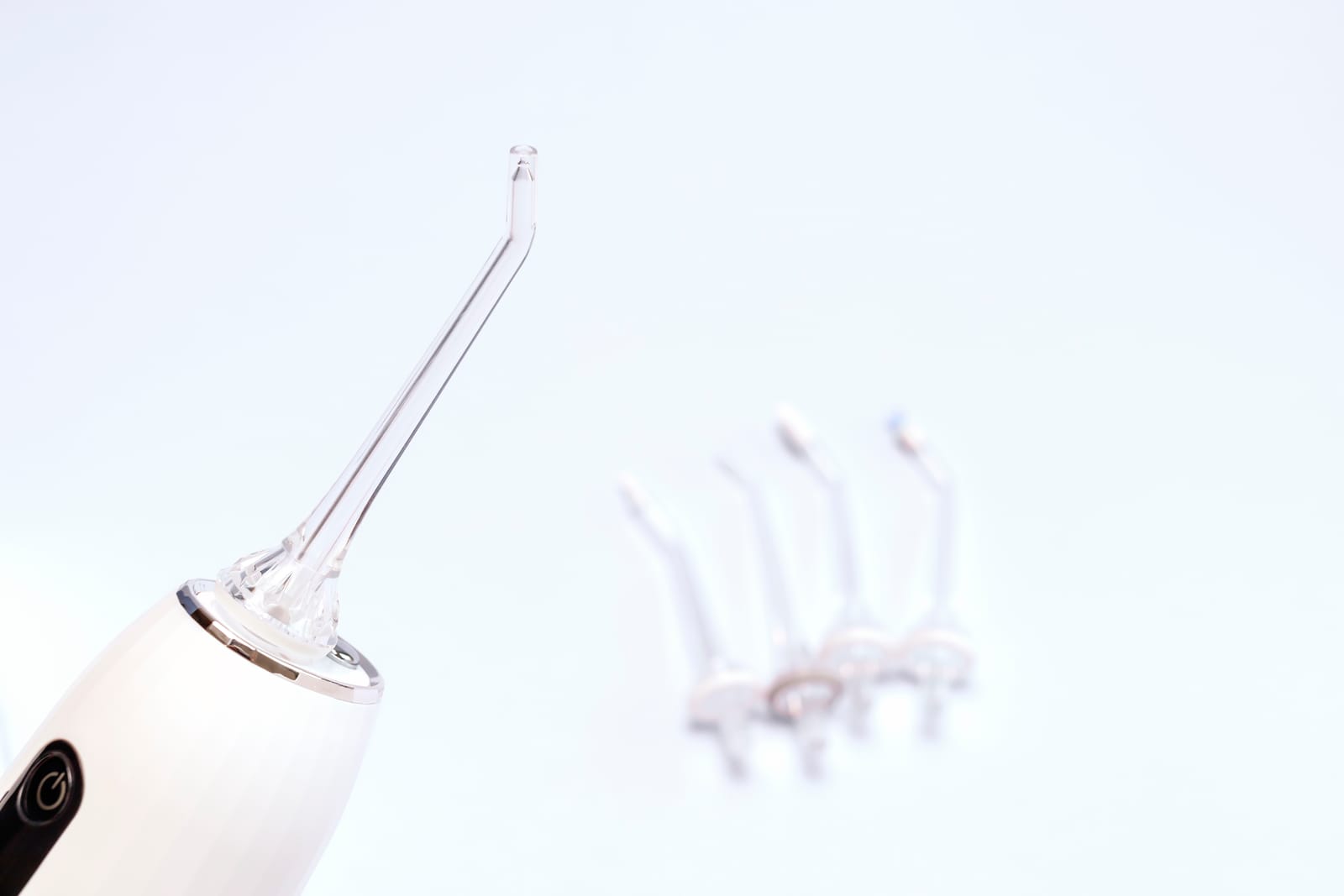
Goodbye Traditional Flossing: Why Water Flossing Is the Way to Go

  • Invisalign St George, UT Dental hygiene is crucial for maintaining healthy teeth and gums, and traditional flossing is one of the most essential components of oral care. However, many people despise the idea of flossing and fail to do it daily. Additionally, traditional flossing has limitations, including difficulty reaching certain areas of the mouth, discomfort, and possibly cutting into the gums. Thankfully, there is a solution: the Waterpik. This innovative tool is practical and easy to use, making dental hygiene more straightforward, faster, and enjoyable.

The Water Flosser

  • The water flosser is an innovative tool that effectively removes food debris and plaque from the gaps between teeth. This handheld device is a convenient and user-friendly solution and works by shooting a thin jet of water. With adjustable pressure settings to cater to individual preferences, it is gentle on the gums and minimizes the risk of bleeding. Notably, the water pressure ensures deeper cleaning between teeth, surpassing the efficacy of traditional flossing. Additionally, multiple studies have shown that water flossing greatly enhances gum hygiene, providing superior results compared to conventional flossing techniques.

Water Flosser vs Waterpik: Are They the Same?

  • When it comes to water flossing, many people wonder about the difference between a water flosser and a Waterpik. While Waterpik is a specific brand that produces a water flosser, it’s important to note that other manufacturers offer similar tools with unique features and capabilities. Regardless of the brand, the underlying principle remains consistent: utilizing the force of water to enhance oral health. So, although there may be variations in design and functionality, the ultimate goal remains the same.

Benefits of Using a Water Flosser

  • There are several notable benefits associated with water flossing. First and foremost, this device is remarkably gentle on the gums, consequently minimizing the likelihood of bleeding and discomfort. Moreover, it effectively cleans teeth while simultaneously reducing the risk of decay. Another advantage of water flossers is their remarkable usefulness for individuals with braces, bridges, or other dental appliances, as they provide an effortless means of cleaning those hard-to-reach areas. Also, using a water flosser is far more efficient and time-saving than traditional flossing. This makes it significantly easier to incorporate into one’s daily oral care routine.

How to Use a Water Flosser or Waterpik

  • As previously stated, a water flosser and Waterpik are essentially the same. What’s more, both are incredibly easy to use; here are the steps:
  • 1. Begin by filling the reservoir with tepid water and selecting your desired pressure setting.
  • 2. Lean over the sink and place the device in your mouth, with the tip resting against your teeth.
  • 3. Turn it on and slowly guide it along your gum line, pausing briefly between each tooth.
  • 4. After completing one arch of teeth, spit out the water and repeat for the other arch and the back of the teeth.
  • 5. Finish by swishing water around your mouth and spitting.

Tips and Tricks

  • To get the most benefits from a water flosser, it’s essential to remember a few tips. First and foremost, if you’re finding it challenging to navigate the device along your gum line, try angling it slightly so that the jet of water directly targets your gums. Secondly, opt for tepid water instead of extremely hot or cold water to minimize any sensitivity or discomfort you may experience. Lastly, make sure to thoroughly clean the device after each use by flushing it with hot water. These steps will help you optimize your water flossing routine and maintain excellent oral hygiene.

Got Questions? Contact St. George Dental Care Today!

  • In summary, a water flosser is a game-changer in oral care. Its effectiveness surpasses traditional flossing, offering numerous benefits like improved gum health and decreased risk of decay. Water flossers are also easy to use and ideal for people with dental appliances. At St. George Dental Care, we are happy to provide more information or schedule an appointment for our patients. Say goodbye to traditional flossing and prioritize oral health with a water flosser today.

Schedule with Saint George Dental Care Today

  • Request an appointment here: https://www.stgeorgedentalcare.com or call St. George Dental Care at (435) 628-9099 for an appointment in our St George office.

    Check out what others are saying about our services on Yelp: Read our Yelp reviews.

    Recent Posts

    Tooth Extraction Complications: What To Watch For

    While the thought of having a tooth pulled might make you nervous, it is a routine dental procedure performed to protect your overall oral health. Whether it's a wisdom tooth causing overcrowding or a damaged tooth that cannot be saved, a tooth extraction is often the best course of action. However, as with any medical…

    Emergency Dental Work: What You Need To Know

    A sudden, throbbing toothache or a chipped tooth from an accident can be alarming. These situations often require immediate attention, but many people are unsure what truly counts as an emergency. Knowing when to seek urgent care can be the difference between saving a tooth and facing more complex, costly procedures later.A dental emergency is…

    Understanding Dentist Anesthesia: Types, Uses, And Benefits

    Many people feel anxious about visiting the dentist, often because they fear pain or discomfort. Thankfully, modern dentistry offers several types of dentist anesthesia to ensure your experience is as comfortable and stress-free as possible. Understanding these options can help ease your worries and empower you to get the dental care you need without fear.At…

    What Are Dental Sealants? A Simple Guide For Patients

    At St. George Dental Care, we believe that a healthy smile starts with proactive care. While brushing and flossing are essential, sometimes your teeth need extra protection. That’s where dental sealants come in: a simple, effective way to guard against cavities and decay. This guide will explain what dental sealants are, how they work, and…

Recent Posts

Tooth Extraction Complications: What To Watch For

Tooth Extraction Complications: What To Watch For

While the thought of having a tooth pulled might make you nervous, it is a routine dental procedure performed to protect your overall oral health. Whether it's a wisdom tooth causing overcrowding or a damaged tooth that cannot be saved, a tooth extraction is often the best course of action. However, as with any medical…

Emergency Dental Work: What You Need To Know

Emergency Dental Work: What You Need To Know

A sudden, throbbing toothache or a chipped tooth from an accident can be alarming. These situations often require immediate attention, but many people are unsure what truly counts as an emergency. Knowing when to seek urgent care can be the difference between saving a tooth and facing more complex, costly procedures later.A dental emergency is…