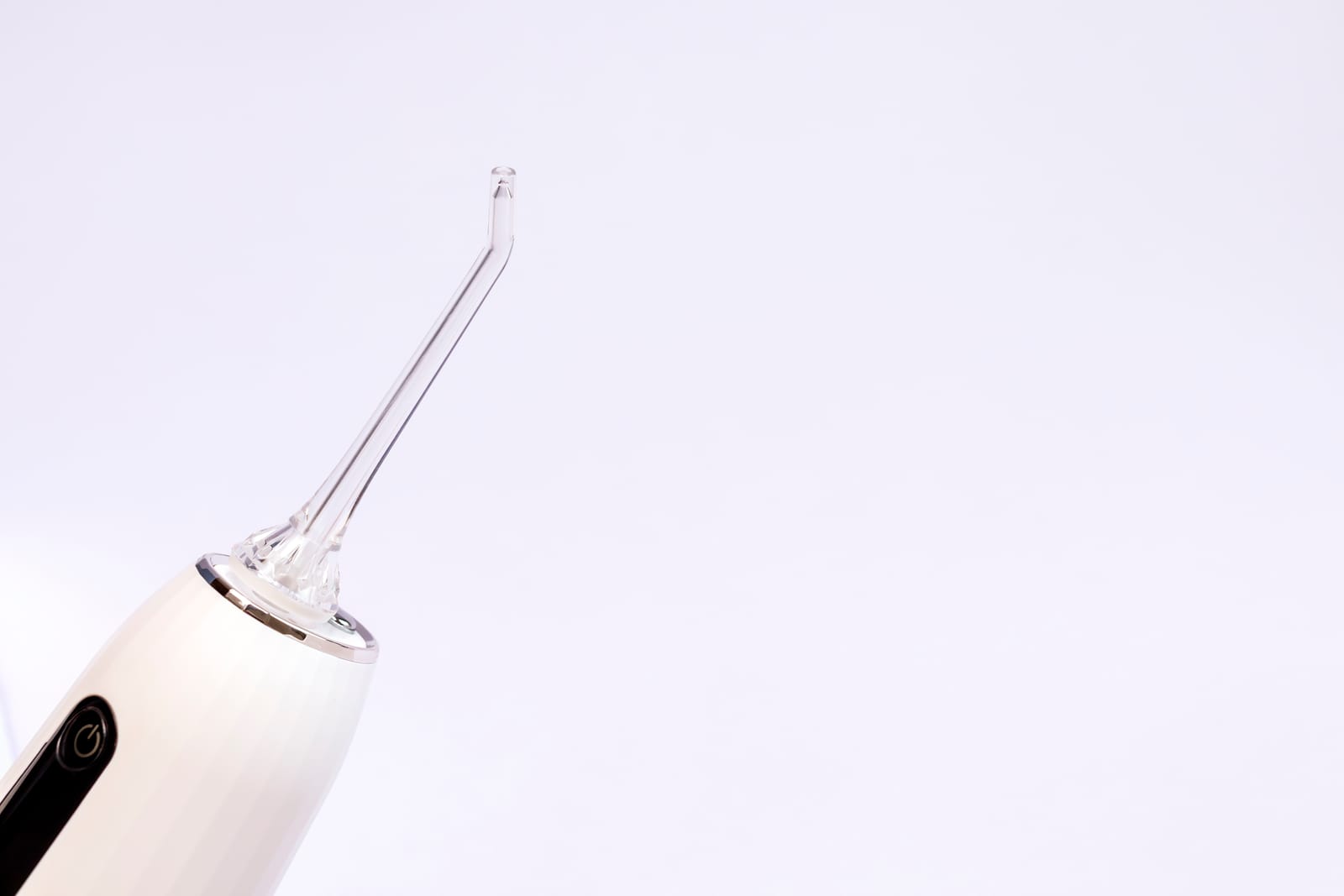
Waterpik Benefits Explained: Does It Really Remove Plaque?

  • Invisalign St George, UT Proper oral hygiene goes beyond brushing your teeth twice a day. While traditional flossing remains important, many people struggle with the technique or find it uncomfortable. This has led to growing interest in alternative cleaning methods, particularly water flossers like Waterpik devices.
  • At St. George Dental Care, we frequently receive questions about these devices from our patients. Two common concerns stand out: what are the actual Waterpik benefits, and does Waterpik remove plaque effectively? Understanding these answers can help you make informed decisions about your oral care routine.

What is a Waterpik?

  • A Waterpik uses a pulsating stream of water to clean between teeth and along the gumline. Unlike string floss that physically scrapes plaque and debris, water flossers rely on water pressure to dislodge food particles and bacteria from hard-to-reach areas.
  • The device consists of a water reservoir, motor, and specialized tip. Users can adjust the pressure settings to find a comfortable level that still provides effective cleaning. This makes it particularly appealing for people with sensitive gums or those who find traditional flossing challenging.

Waterpik Benefits

Improved Gum Health

  • Regular use of a water flosser can significantly reduce gingivitis and gum bleeding. The pulsating water action helps remove bacteria and food particles that contribute to gum inflammation. Many users notice healthier, less sensitive gums within a few weeks of consistent use.

Effective Plaque Removal

  • Water flossers can reach areas that traditional floss might miss, including deep pockets around the gumline. The pressurized water stream helps break up biofilm and bacterial accumulations that contribute to plaque formation. However, the effectiveness depends on proper technique and regular use.

Ideal for Braces and Dental Work

  • People with braces, implants, or other dental work often find water flossers easier to use than traditional floss. The water stream can navigate around brackets and wires more easily, making daily cleaning less frustrating and more thorough.

May Help Reduce Bad Breath

  • By removing bacteria from the tongue and difficult-to-reach areas, water flossers can contribute to fresher breath. The device helps eliminate food particles and bacteria that traditional brushing might miss, addressing one common cause of halitosis.

Does Waterpik Remove Plaque?

  • Research shows that water flossers can indeed remove plaque, though their effectiveness varies. Clinical studies indicate that water flossers remove approximately 70% more plaque than brushing alone. When compared to traditional floss, water flossers show similar effectiveness in plaque removal, with some studies suggesting slightly better results in certain areas.
  • The pulsating water action disrupts bacterial biofilms and helps prevent plaque from hardening into tartar. However, effectiveness depends on several factors, including water pressure settings, tip selection, and user technique.
  • It’s important to note that water flossers work best as part of a comprehensive oral care routine. They should complement, not replace, regular brushing and professional dental cleanings. At St. George Dental Care, we recommend using water flossers alongside traditional flossing for optimal results.

How to Use a Waterpik Effectively

  • 1. Fill the reservoir with lukewarm water
  • 2. Select the appropriate tip for your needs
  • 3. Start with the lowest pressure setting
  • 4. Lean over the sink and place the tip in your mouth
  • 5. Turn on the device and close your lips slightly to prevent splashing
  • 6. Begin with back teeth and work systematically around your mouth
  • 7. Pause briefly between teeth, angling the tip toward the gumline
  • 8. Use for 1-2 minutes total

Tips for Beginners

  • Start with lower pressure settings and gradually increase as your gums become accustomed to the sensation. Focus the water stream at a 90-degree angle to the gumline for maximum effectiveness. Don’t rush the process—take time to target each area thoroughly.
  • The team at St. George Dental Care recommends using your water flosser before brushing. This sequence allows the fluoride toothpaste to reach areas that have been freshly cleaned, maximizing its protective benefits.

Maximizing Your Oral Health with Professional Guidance

  • Water flossers offer genuine benefits for oral health, including effective plaque removal and improved gum health. While they don’t completely replace traditional flossing, they serve as an excellent complement to your daily routine, especially for people with braces, implants, or mobility limitations.
  • The most important factor in any oral care routine is consistency. Whether you choose traditional floss, a water flosser, or both, regular daily use combined with proper brushing technique will yield the best results.
  • For personalized advice about incorporating a water flosser into your oral care routine, consider scheduling a consultation with our team. The team at St. George Dental Care can assess your specific needs and recommend the most effective approach for maintaining your oral health.

Schedule with Saint George Dental Care Today

  • Request an appointment here: https://www.stgeorgedentalcare.com or call St. George Dental Care at (435) 628-9099 for an appointment in our St George office.

    Check out what others are saying about our services on Yelp: Read our Yelp reviews.

    Recent Posts

    How Much Does A Root Canal Cost? What Determines The Price

    Root canal cost is one of the most searched dental questions out there, and for good reason. It's hard to plan for a procedure when the price seems to range so widely depending on who you ask. The truth is that root canal cost depends on several specific factors, and understanding them makes the number…


    Caring For Your New Dental Implant: A Simple Aftercare Guide

    Getting a dental implant is a significant step toward restoring your smile, and how you care for it in the weeks that follow plays a big role in how well it heals. The good news is that implant aftercare is fairly straightforward once you know what to expect.This guide walks through the healing timeline, how…

    Do You Need A Night Guard? Understanding Teeth Grinding And Treatment Options

    Waking up with a sore jaw or a dull headache isn't always about a bad night's sleep. For a lot of people, it's a sign of nighttime teeth grinding, a habit called bruxism that often happens without you ever realizing it.This article covers the common signs of nighttime grinding, why it matters if left untreated,…

    How Long Do Dental Implants Last? A Realistic Look At Implant Lifespan

    "Implants last forever" is a phrase that gets thrown around a lot, and it's not quite accurate. Dental implants are one of the most durable tooth replacement options available, but calling them permanent oversimplifies what actually determines how long they hold up.This article looks at realistic implant lifespan, what factors affect longevity, and what that…

Recent Posts

How Much Does A Root Canal Cost? What Determines The Price

How Much Does A Root Canal Cost? What Determines The Price

Root canal cost is one of the most searched dental questions out there, and for good reason. It's hard to plan for a procedure when the price seems to range so widely depending on who you ask. The truth is that root canal cost depends on several specific factors, and understanding them makes the number…

Caring For Your New Dental Implant: A Simple Aftercare Guide

Caring For Your New Dental Implant: A Simple Aftercare Guide

Getting a dental implant is a significant step toward restoring your smile, and how you care for it in the weeks that follow plays a big role in how well it heals. The good news is that implant aftercare is fairly straightforward once you know what to expect.This guide walks through the healing timeline, how…