Categories: Uncategorized

What is A Full-Mouth Dental Debridement?

  • Do you ever feel like your mouth is in dire need of a thorough cleaning? Has your dentist recommended you for a full-mouth debridement procedure? If so, they have likely suggested this because you have too much plaque and tartar buildup on your teeth. The good news is that this buildup can be removed through an effective dental treatment known as full-mouth debridement. This comprehensive dental procedure involves removing plaque and debris from every area of the patient’s mouth for improved oral hygiene. High-quality dental professionals like St. George Dental Care often complete this procedure in just one appointment, making it a quick and efficient fix to the problem. Read on to learn more about the science behind this treatment, why it might be necessary, and what type of recovery may be involved after the appointment.

The Advanced Technology Behind Debridement

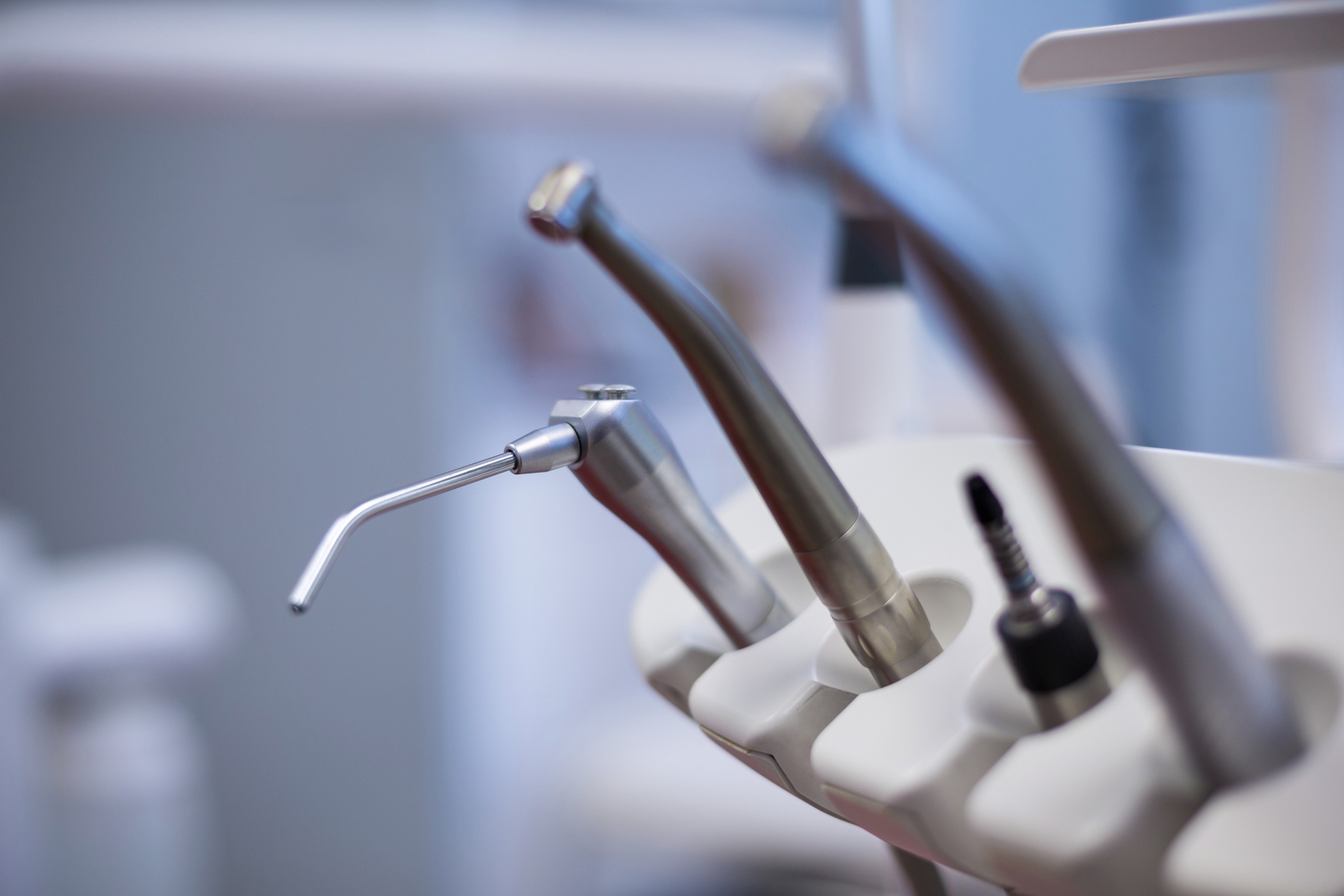
  • A dental debridement treatment involves removing plaque or tartar buildup from the teeth and gums. While this procedure may seem straightforward, an advanced science is behind it. It all starts with understanding the bacterial biofilm that forms on our teeth. This film is compromised of a combination of saliva, food particles, and bacteria that adhere to the teeth and create a breeding ground for disease. A dental debridement treatment can help prevent gum disease and decay by removing harmful biofilm. Dental professionals use various instruments, such as ultrasonic scalers and hand instruments, to perform this procedure effectively. Overall, the science behind a full-mouth dental debridement treatment is fascinating and underscores the importance of regular dental visits.

Why You Might Need This Treatment

  • A full-mouth dental Debridement treatment is a comprehensive procedure that involves removing tartar and plaque buildup from every tooth and gum surface in the mouth. This treatment is typically recommended when a patient has neglected oral hygiene needs for an extended period, resulting in a significant amount of dental calculus buildup. This buildup can potentially lead to gum disease and other serious dental issues. While undergoing such a thorough cleaning may seem overwhelming, the good news is that the treatment is not typically painful. Many patients report feeling much better after the procedure, leaving with their teeth looking bright and feeling cleaner than ever. Plus, the benefits of this type of treatment can last for months or even years, making it well worth the investment in your dental health.

Quick Recovery from Treatments

  • If you have been referred for a full-mouth dental debridement treatment, it is highly beneficial to understand what to expect before undergoing treatment. During the treatment, your dentist will carefully remove tartar and plaque buildup from your teeth and gums using a combination of hand-held instruments and ultrasonic scalers. While the procedure can occasionally be uncomfortable, your dental team will use local anesthesia to help manage any pain or discomfort. After the procedure, you may experience some swelling or tenderness, but most patients recover fully within a week. To help speed the recovery process, use an ice pack on your face for the first 24 hours, avoid hot or crunchy foods, and take over-the-counter pain relievers as needed. With some self-care and proper aftercare, you will return to your regular routine in no time. Full-mouth dental debridement is vital to maintaining healthy teeth and gums, but it can seem intimidating to some. To put your mind at ease, remember that this treatment is safe, relatively quick, and necessary to protect your dental health. Good oral hygiene practices after treatment are just as important as the treatment itself. Staying vigilant about brushing twice a day with fluoridated toothpaste, flossing at least once a day, avoiding sugary and acidic drinks, and visiting the dentist routinely for regular check-ups will help keep your mouth healthy and your teeth strong and beautiful. If you have any questions or concerns about full-mouth dental debridement, please contact St. George Dental Care today for an in-depth consultation. Proper knowledge of this treatment ensures that your smile will shine brighter for many years!

Contact St. George Dental Care Today

  • Request an appointment here: https://www.stgeorgedentalcare.com or call St. George Dental Care at (435) 628-9099 for an appointment in our St George office.

    Check out what others are saying about our services on Yelp: Read our Yelp reviews.

    Recent Posts

    Why Are My Gums Receding? Common Causes And Treatment Options

    Most people first notice gum recession while brushing, flossing, or catching their reflection in the mirror. You might spot teeth that suddenly look longer or feel a new twinge of sensitivity. If you have found yourself wondering why your gums are receding, you are far from alone.Receding gums are common, but they should never be…

    Can Gum Disease Be Reversed? Understanding Gingivitis Vs Periodontitis

    Gum disease is one of the most common dental conditions affecting adults today. Many patients wonder, can gum disease be reversed, or is the damage permanent?The honest answer is that it depends on how far the condition has progressed. Early stages often respond well to treatment, while advanced stages require ongoing management. Understanding the difference…

    What Happens If You Don't Replace A Missing Tooth?

    Losing a tooth can occur for various reasons, such as decay, injury, gum disease, or extraction. Many people simply adapt and move on, especially if the missing tooth isn't visible when they smile or doesn't seem to cause any immediate issues. As a result, they often postpone considerations for replacement indefinitely.However, leaving a missing tooth…

    Am I Too Old For Dental Implants? What Seniors In St. George Should Know

    It's one of the most common questions dentists hear from older adults considering tooth replacement: am I too old for dental implants? The concern is understandable. Implants are a surgical procedure; healing can feel like more of an unknown as we get older, and the process involves a longer timeline than some other options.But here's…

St. George Dental Care

Share
Published by
St. George Dental Care

Recent Posts

Why Are My Gums Receding? Common Causes and Treatment Options

Most people first notice gum recession while brushing, flossing, or catching their reflection in the…

2 weeks ago

Can Gum Disease Be Reversed? Understanding Gingivitis vs Periodontitis

Gum disease is one of the most common dental conditions affecting adults today. Many patients…

2 weeks ago

What Happens If You Don’t Replace a Missing Tooth?

Losing a tooth can occur for various reasons, such as decay, injury, gum disease, or…

2 weeks ago

Am I Too Old for Dental Implants? What Seniors in St. George Should Know

It's one of the most common questions dentists hear from older adults considering tooth replacement:…

3 weeks ago

Root Canal vs Extraction: Which Option Is Better for Your Long-Term Oral Health?

If a dentist has told you that a tooth is severely damaged or infected, you…

3 weeks ago

Chipped a Tooth? Here’s What Dentists Recommend You Do Next

Chipping a tooth can happen in an instant, biting down on something hard, taking an…

3 weeks ago