Oral Surgery

What Is an Oral Surgeon? When You Need One & What They Treat

  • When your general dentist mentions you might need to see an oral surgeon, many patients feel uncertain about what this means. Understanding the role of an oral surgeon can help ease concerns and prepare you for specialized dental care. These highly trained professionals handle complex procedures that go beyond routine dental work.
  • An oral surgeon is a dental specialist who focuses on surgical procedures involving the mouth, jaw, and surrounding facial structures. Their extensive training allows them to perform intricate operations that require specialized skills and knowledge. If you’re wondering, “What is an oral surgeon?” this article will explain their role and how they provide advanced care.

Education and Training Requirements

  • Becoming an oral surgeon requires extensive education beyond dental school. After completing four years of dental education, these professionals must complete an additional four to six years of specialized training in oral and maxillofacial surgery residency programs.
  • During residency, these surgeons gain hands-on experience with complex surgical procedures. They also complete rotations in medical specialties such as anesthesia, internal medicine, and emergency medicine. This comprehensive training ensures they can handle both routine extractions and complex reconstructive surgeries.
  • Many oral surgeons also earn medical degrees alongside their dental degrees, giving them dual expertise in both dentistry and medicine. This advanced training allows them to provide comprehensive care for patients with complex medical conditions. If you’re seeking an answer to “what is an oral surgeon,” understanding their rigorous training sheds light on their capabilities.

Common Procedures Performed by Oral Surgeons

  • Oral surgeons perform a wide range of surgical procedures. These include both simple and complex tooth extractions, particularly wisdom tooth removal. They also specialize in dental implant placement, which involves surgically inserting titanium posts into the jawbone to replace missing teeth.
  • Corrective jaw surgery, known as orthognathic surgery, helps patients with jaw alignment issues. This procedure can improve both function and appearance. Additionally, these surgeons treat facial trauma, including fractures of the jaw, cheekbones, and eye sockets.
  • Other procedures include treating oral pathology such as cysts and tumors, performing bone grafts to strengthen the jaw, and conducting reconstructive surgery following cancer treatment or injury.

When Your General Dentist Refers You

  • Your general dentist may refer you to an oral surgeon for several reasons. Impacted wisdom teeth are one of the most common referrals. These teeth lack sufficient space to emerge properly and can cause pain, infection, or damage to adjacent teeth.
  • Jaw disorders, including temporomandibular joint (TMJ) problems, may also require specialized treatment. If you experience persistent jaw pain, clicking sounds, or difficulty opening your mouth, an oral surgeon can provide advanced treatment options.
  • Severe dental trauma from accidents or sports injuries often needs immediate surgical intervention. Complex extractions, such as removing broken teeth or roots embedded in bone, also fall within their expertise.
  • Patients requiring multiple dental implants or full mouth reconstruction benefit from an oral surgeon’s specialized skills and advanced training.

What to Expect During Your Visit

  • Your first appointment typically begins with a comprehensive consultation and examination. The oral surgeon will review your medical and dental history, discuss your symptoms, and explain recommended treatment options.
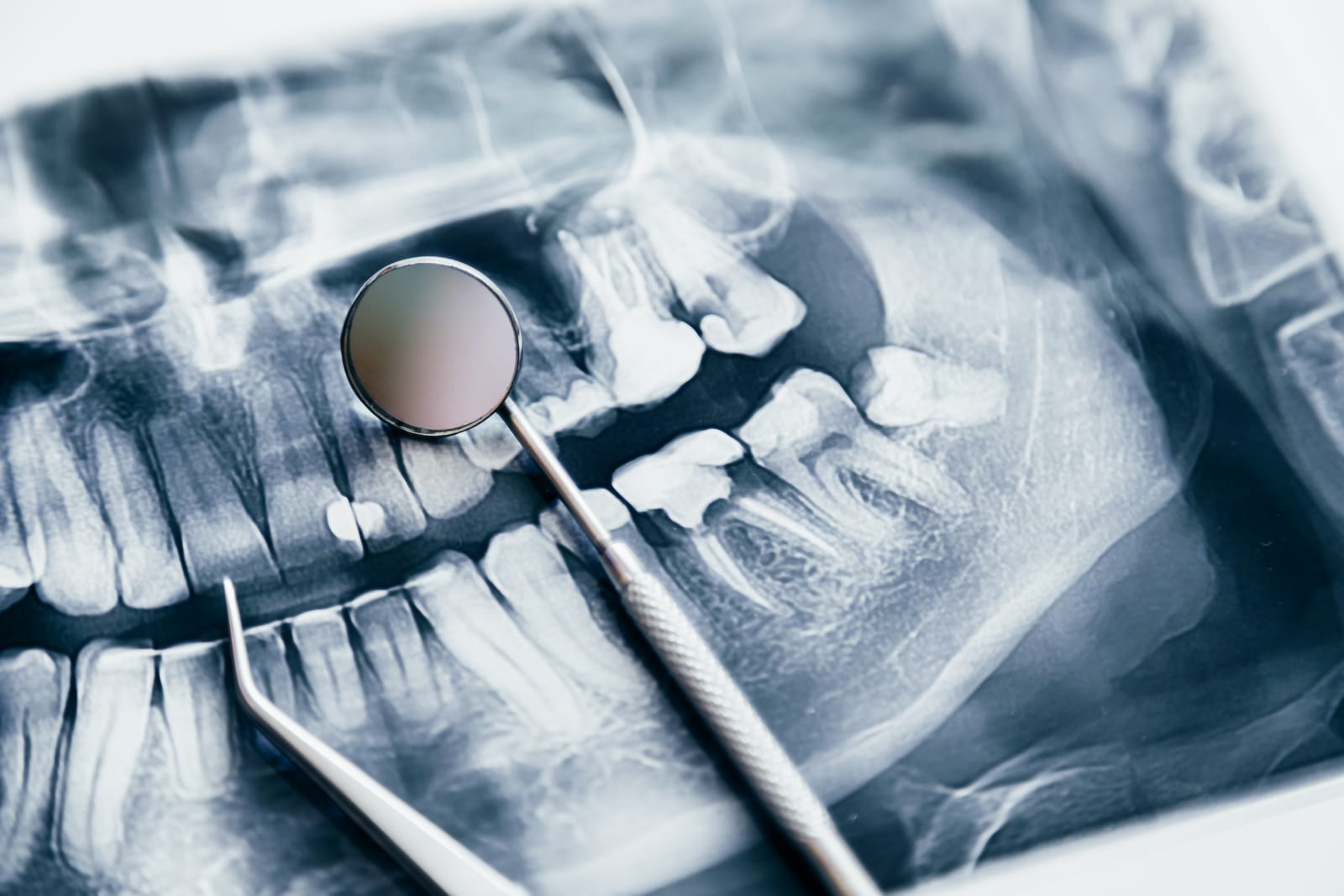
  • Advanced diagnostic tools help create detailed treatment plans. These may include digital X-rays, 3D imaging, or CT scans. These technologies allow the surgeon to see bone structure and plan procedures with precision.
  • The examination process is thorough but comfortable. Your surgeon will explain each step and answer any questions about the proposed treatment. They’ll also discuss anesthesia options and post-operative care instructions.

Benefits of Choosing St. George Dental Care

  • At St. George Dental Care, Dr. Dan Utley and Dr. Tyler Utley bring years of experience and advanced training to every procedure. Our practice combines modern technology with personalized care to ensure optimal outcomes for each patient.
  • Our team uses state-of-the-art equipment and follows the latest techniques in oral surgery. We maintain a comfortable, relaxing environment where patients feel at ease throughout their treatment experience. The caring staff at St. George Dental Care takes time to explain procedures clearly and address any concerns. We accept various insurance plans and payment options to make specialized dental care accessible to everyone in the St. George area.

Taking the Next Step in Your Oral Health Journey

  • Oral surgeons play a crucial role in comprehensive dental care. Their specialized training and expertise make complex procedures possible while ensuring patient safety and comfort. Understanding their role helps patients make informed decisions about their oral health care.
  • If you’ve ever wondered, “What is an oral surgeon?” or need specialized oral surgery services, don’t hesitate to contact St. George Dental Care. Our experienced team is ready to provide the expert care you deserve.

Schedule with Saint George Dental Care Today

  • Request an appointment here: https://www.stgeorgedentalcare.com or call St. George Dental Care at (435) 628-9099 for an appointment in our St George office.

    Check out what others are saying about our services on Yelp: Read our Yelp reviews.

    Recent Posts

    Why Are My Gums Receding? Common Causes And Treatment Options

    Most people first notice gum recession while brushing, flossing, or catching their reflection in the mirror. You might spot teeth that suddenly look longer or feel a new twinge of sensitivity. If you have found yourself wondering why your gums are receding, you are far from alone.Receding gums are common, but they should never be…

    Can Gum Disease Be Reversed? Understanding Gingivitis Vs Periodontitis

    Gum disease is one of the most common dental conditions affecting adults today. Many patients wonder, can gum disease be reversed, or is the damage permanent?The honest answer is that it depends on how far the condition has progressed. Early stages often respond well to treatment, while advanced stages require ongoing management. Understanding the difference…

    What Happens If You Don't Replace A Missing Tooth?

    Losing a tooth can occur for various reasons, such as decay, injury, gum disease, or extraction. Many people simply adapt and move on, especially if the missing tooth isn't visible when they smile or doesn't seem to cause any immediate issues. As a result, they often postpone considerations for replacement indefinitely.However, leaving a missing tooth…

    Am I Too Old For Dental Implants? What Seniors In St. George Should Know

    It's one of the most common questions dentists hear from older adults considering tooth replacement: am I too old for dental implants? The concern is understandable. Implants are a surgical procedure; healing can feel like more of an unknown as we get older, and the process involves a longer timeline than some other options.But here's…

St. George Dental Care

Share
Published by
St. George Dental Care

Recent Posts

Why Are My Gums Receding? Common Causes and Treatment Options

Most people first notice gum recession while brushing, flossing, or catching their reflection in the…

2 weeks ago

Can Gum Disease Be Reversed? Understanding Gingivitis vs Periodontitis

Gum disease is one of the most common dental conditions affecting adults today. Many patients…

2 weeks ago

What Happens If You Don’t Replace a Missing Tooth?

Losing a tooth can occur for various reasons, such as decay, injury, gum disease, or…

3 weeks ago

Am I Too Old for Dental Implants? What Seniors in St. George Should Know

It's one of the most common questions dentists hear from older adults considering tooth replacement:…

3 weeks ago

Root Canal vs Extraction: Which Option Is Better for Your Long-Term Oral Health?

If a dentist has told you that a tooth is severely damaged or infected, you…

3 weeks ago

Chipped a Tooth? Here’s What Dentists Recommend You Do Next

Chipping a tooth can happen in an instant, biting down on something hard, taking an…

3 weeks ago