Dental Anxiety

Why Is My Adult Tooth Loose? Can a Permanent Tooth Be Saved?

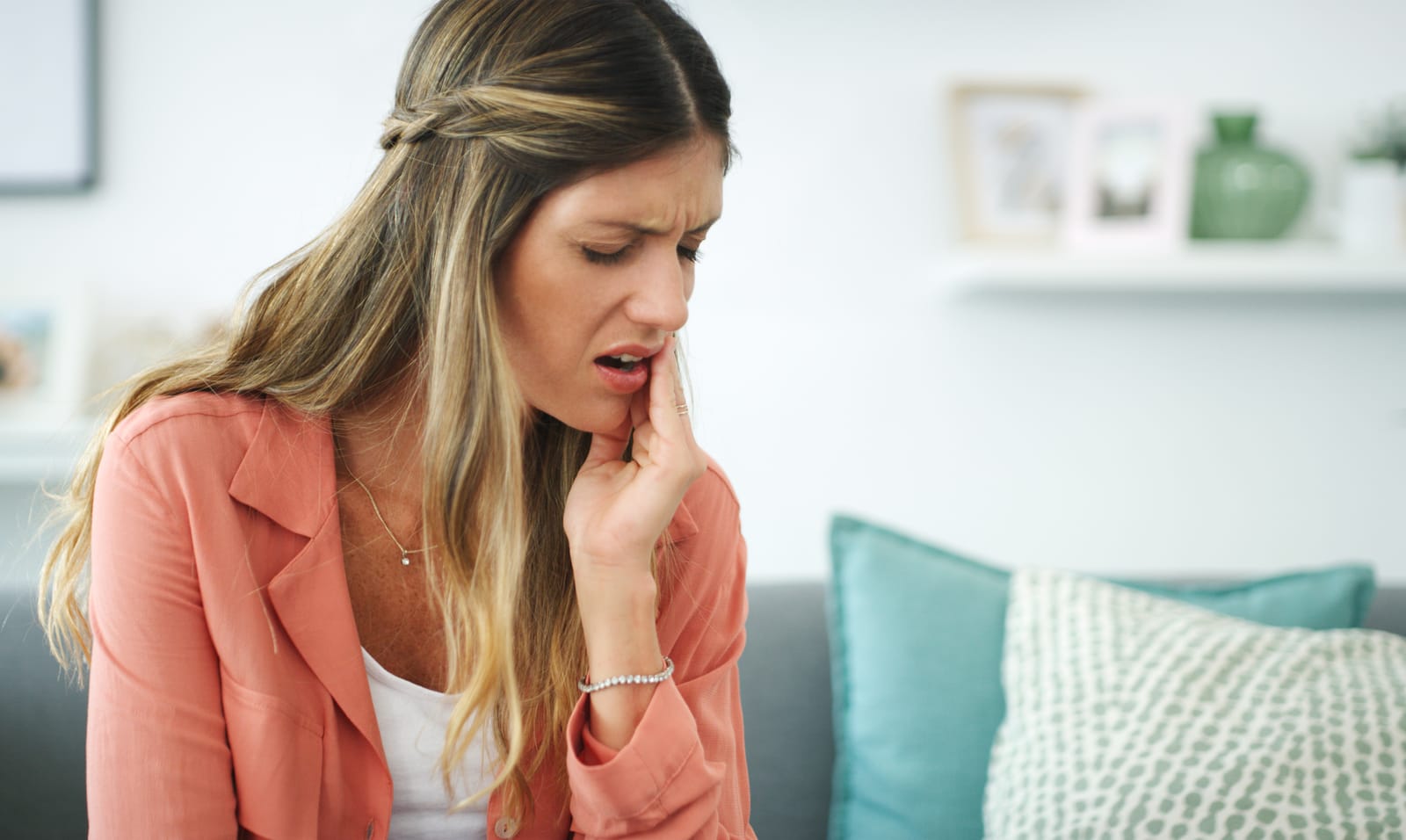
  • A loose permanent tooth feels alarming, and for good reason. Unlike baby teeth, adult teeth aren’t supposed to move. Feeling that familiar wiggle in a tooth that should be firmly in place tends to send most people straight to a search engine looking for answers.
  • The honest answer is that a loose adult tooth is a serious sign, but it doesn’t automatically mean the tooth is lost. Many loose permanent teeth can be stabilized or saved when the underlying cause gets treated early enough. What you do in the next few days matters more than most people realize.
  • Disclaimer: This article is for educational purposes only and does not replace professional dental advice, diagnosis, or treatment. If you have a loose permanent tooth, contact a dental professional promptly for evaluation.

Why Adult Teeth Should Not Move

  • Permanent teeth are held in place by the periodontal ligament, a network of fibers that connects each tooth root to the surrounding jawbone. Healthy gum tissue and adequate bone density work alongside that ligament to keep teeth stable under the pressure of biting and chewing.
  • When a tooth feels loose, something has disrupted one or more parts of that support system. The cause determines both how serious the situation is and what treatment can do to help.

Common Causes of a Loose Adult Tooth

  • Several conditions can weaken the structures that hold a tooth in place. Here are the most common causes dentists see.

Gum Disease and Bone Loss

  • Gum disease is the leading cause of loose adult teeth. In its early stage, called gingivitis, the gums become inflamed but the bone and ligament are still intact. The problem develops when gingivitis goes untreated and advances into periodontitis.
  • Periodontitis is a deeper infection that spreads below the gumline and attacks the bone supporting the tooth roots. As bone volume decreases, teeth lose their anchor and begin to shift or loosen. The process is gradual, which is why many patients don’t notice until significant damage has already occurred.

Trauma or Injury

  • A blow to the mouth, a sports injury, or biting down hard on an unexpected object can loosen a tooth by damaging the periodontal ligament. The tooth may feel noticeably loose right after the impact, or the looseness may develop over the following hours as swelling increases.
  • Trauma-related looseness varies widely in severity. A mild injury to the ligament may resolve with rest and careful monitoring. A more significant impact can fracture the root or cause damage that requires more involved treatment. Getting the tooth evaluated promptly after any mouth injury gives it the best chance of recovery.

Teeth Grinding and Clenching

  • Bruxism, the habit of grinding or clenching teeth, puts repeated force on the teeth and their supporting structures. Over time, this constant pressure wears down the periodontal ligament and stresses the jawbone. Patients who grind heavily, especially at night, may notice that teeth feel sore or slightly mobile in the morning.
  • Unlike gum disease or trauma, bruxism-related looseness tends to develop slowly. A custom night guard reduces the force on the teeth during sleep, and addressing the grinding habit is usually a key part of stabilizing any affected teeth.

Dental Abscess or Infection

  • An abscess at the root of a tooth can damage the surrounding bone and ligament, causing the tooth to loosen. Infection-related looseness often comes with other noticeable symptoms, including a persistent throb, swelling in the gum or jaw, a bad taste in the mouth, or increased sensitivity to pressure.
  • An abscess doesn’t resolve without treatment. The infection can spread and the damage to the supporting bone continues the longer it goes unaddressed. This is one situation where same-day emergency dental care is appropriate rather than waiting for a routine slot.

Hormonal Changes and Other Systemic Factors

  • Pregnancy causes hormonal shifts that can temporarily affect the ligaments and bone around the teeth, sometimes causing slight mobility even in patients with healthy gums. This typically resolves after pregnancy, but it’s worth mentioning to a dentist so the teeth can be monitored appropriately.
  • Reduced bone density from osteoporosis can also affect the jawbone. Patients with osteoporosis have a higher risk of bone loss around the teeth, which can contribute to looseness over time. Certain medications used to treat osteoporosis also require a specific conversation with your dentist before any dental procedures are planned.

Can a Loose Adult Tooth Be Saved

  • The answer depends on how much supporting structure remains and how quickly treatment begins. Several situations point toward a favorable outcome.
  • The tooth is only mildly mobile with a small range of movement.
  • Gum disease is caught before severe bone loss has occurred.
  • Trauma is recent and the root is intact.
  • The infection is identified and treated before it destroys significant bone.
  • Treatment options vary by cause. Scaling and root planing removes bacteria and tartar from below the gumline and can stop gum disease from advancing. Splinting bonds the loose tooth to adjacent stable teeth temporarily, giving the ligament time to heal after trauma. Infection treatment through a root canal or antibiotics can remove the source of damage and allow the area to recover.
  • The earlier a loose tooth gets evaluated, the more options are on the table. A dental cleaning and examination is often the starting point for assessing the full picture of gum and bone health around the affected tooth.

What to Do While Waiting for Your Appointment

  • A few careful steps in the days before your appointment help protect the tooth and avoid making things worse.
  • – Avoid wiggling or pushing the tooth with your tongue or fingers. Testing it repeatedly adds stress to an already compromised ligament.
  • – Eat soft foods and chew on the opposite side of your mouth.
  • – Brush and floss gently around the area. Skipping oral hygiene lets bacteria accumulate and worsens any existing infection or gum disease.
  • – Take over-the-counter pain relief if the area is sore, following package instructions.
  • – Avoid hard, crunchy, or sticky foods that could put sudden pressure on the tooth.

What Not to Do

  • A few common instincts can actually work against you here.
  • – Don’t try to stabilize the tooth yourself with any kind of adhesive or dental product not designed for this purpose.
  • – Don’t ignore the situation hoping it improves on its own. A loose tooth is a signal that something in the support structure is failing, and that process doesn’t reverse without treatment.
  • – Don’t stop brushing around the area out of fear. Poor hygiene accelerates the gum disease or infection that may already be contributing to the problem.

When a Loose Tooth Requires Urgent Care

  • Most loose teeth warrant a prompt appointment within the next day or two, but certain signs call for same-day evaluation. Contact your dental office immediately if you notice any of the following.
  • – Visible swelling in the face, jaw, or neck
  • – Fever alongside tooth pain or looseness
  • – Severe throbbing pain that doesn’t respond to over-the-counter medication
  • – The tooth has shifted position noticeably or feels like it could fall out
  • – Difficulty swallowing or breathing
  • These symptoms can indicate a spreading infection or significant structural damage that worsens quickly. Emergency dental care is available for situations that can’t wait for a scheduled appointment.

Frequently Asked Questions

  • Can a loose tooth tighten back up on its own?
  • In some cases, mild looseness caused by trauma or temporary inflammation can improve with time and treatment. Looseness caused by bone loss from gum disease does not reverse without professional intervention.
  • How long does it take to stabilize a loose tooth?
  • It depends on the cause and severity. Splinting after trauma may take a few weeks. Stabilization following periodontal treatment can take longer, as the goal is controlling the disease and preventing further bone loss rather than regrowing what was lost.
  • Is a loose tooth always caused by gum disease?
  • No. Trauma, grinding, infection, and systemic conditions like osteoporosis can all contribute. A thorough exam identifies the actual cause so treatment addresses the right problem.
  • Will I need surgery to save a loose tooth?
  • Not always. Many cases are managed with deep cleaning, a night guard, or infection treatment. Surgical options exist for more advanced situations but are not the starting point for every patient.
  • What happens if a loose tooth is left untreated?
  • The supporting bone and tissue continue to break down. A tooth that might have been saved with early treatment can reach a point where extraction becomes the only option. You can find more guidance on related dental topics in our knowledge hub.

Act Early for the Best Outcome

  • A loose adult tooth is a clear signal that something needs attention. Gum disease, trauma, grinding, and infection are all treatable, and many loose teeth can be stabilized when care begins promptly. The window for saving a tooth tends to narrow the longer treatment is delayed.
  • St. George Dental Care can evaluate what’s causing the looseness and walk you through every option available to protect your tooth.

Schedule with St. George Dental Care Today

  • Request an appointment here: https://www.stgeorgedentalcare.com or call St. George Dental Care at (435) 628-9099 for an appointment in our St George office.

    Check out what others are saying about our services on Yelp: Read our Yelp reviews.

    Recent Posts

    Why Does My Tooth Hurt When I Bite Down? 7 Possible Causes

    Tooth pain that shows up specifically when you bite or chew is different from a constant ache. It tends to be sharp, sudden, and sometimes hard to pin down to a single tooth. That specificity is actually useful, because pain triggered by pressure usually points to one of a handful of causes that a dentist…

    My Filling Fell Out: What Should I Do And Is It An Emergency?

    A filling falling out is startling, but it's not usually a dental emergency in the same way a knocked-out tooth or severe infection is. That said, it's not something to put off for weeks either. A lost filling leaves the tooth exposed and vulnerable, and the sooner a dentist evaluates it, the simpler the repair…

    What Is A Missing Tooth Clause? How It Affects Your Dental Insurance

    You finally decide to replace that missing tooth, submit a claim to your insurance, and get an unexpected denial. For a lot of patients, this is the first time they've ever heard the term missing tooth clause. It's confusing, and it can feel like the rug got pulled out from under a plan you were…

    How Often Do Dental Fillings Need To Be Replaced?

    Fillings aren't meant to last forever, even though they can hold up for many years with proper care. Wondering how long yours will last, or noticing something feels different about an old filling, is a completely normal thing to think about.Here's a look at how long different filling materials typically last, the signs that point…

St. George Dental Care

Share
Published by
St. George Dental Care

Recent Posts

Why Does My Tooth Hurt When I Bite Down? 7 Possible Causes

Tooth pain that shows up specifically when you bite or chew is different from a…

1 week ago

My Filling Fell Out: What Should I Do and Is It an Emergency?

A filling falling out is startling, but it's not usually a dental emergency in the…

2 weeks ago

What Is a Missing Tooth Clause? How It Affects Your Dental Insurance

You finally decide to replace that missing tooth, submit a claim to your insurance, and…

4 weeks ago

How Often Do Dental Fillings Need to Be Replaced?

Fillings aren't meant to last forever, even though they can hold up for many years…

4 weeks ago

White Fillings 101: What to Know About Composite Fillings

Cavities are common, and so is the question that comes right after your dentist finds…

1 month ago

My Crown Fell Out: What to Do Right Now (and Why It Happened)

You were eating or brushing, and suddenly something felt off. Now you're holding a small…

1 month ago