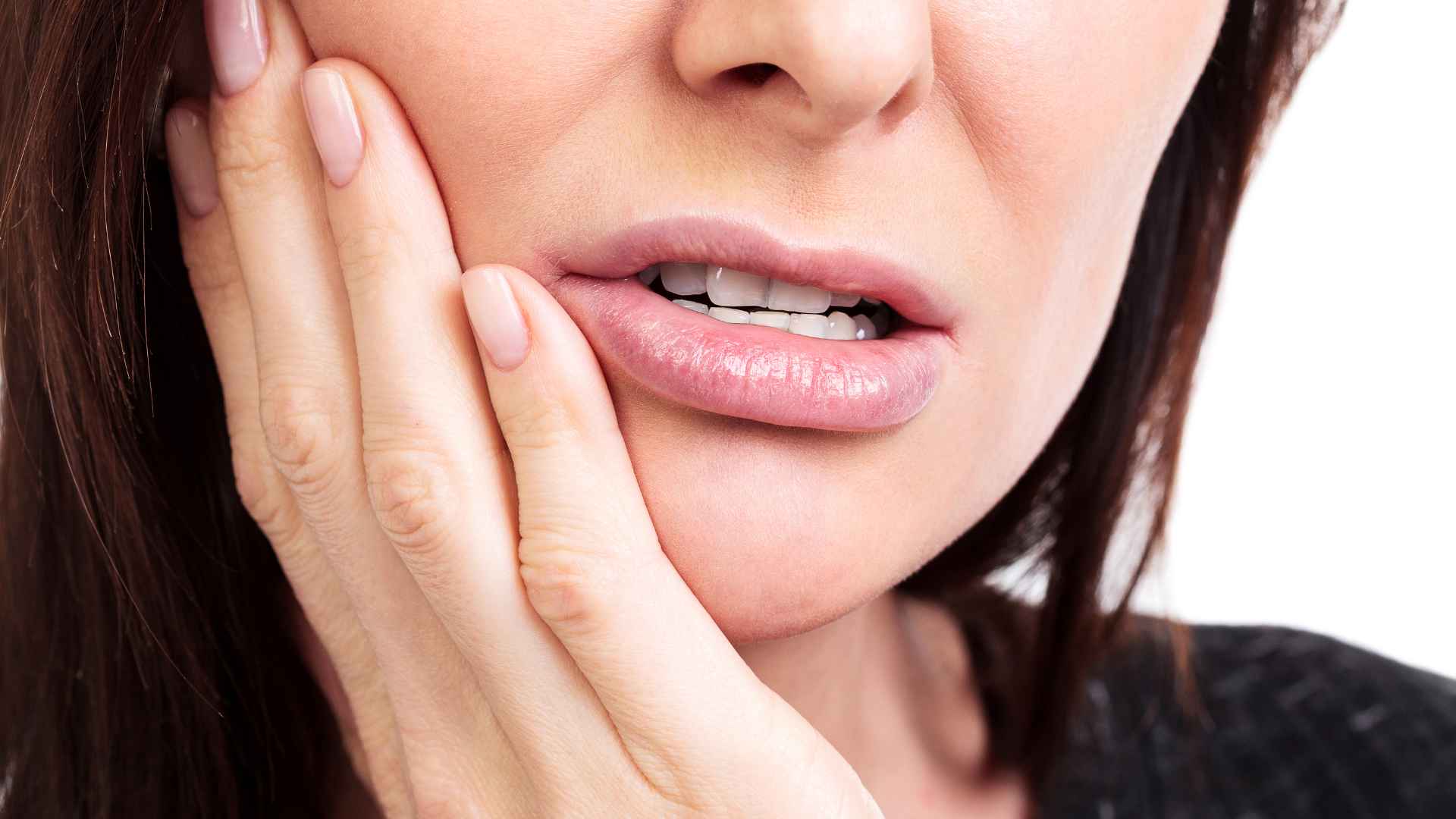
Cold Weather, Sensitive Teeth: How to Manage Winter Tooth Sensitivity

  • Invisalign St George, UT Winter brings crisp air, cozy sweaters, and for many, an unexpected jolt of pain when sipping hot cocoa or stepping outside. If you’ve ever winced from a sudden zing in your teeth during the colder months, you’re not alone. Winter tooth sensitivity affects millions of people and can turn simple pleasures into uncomfortable experiences.
  • The good news? You don’t have to suffer through another season of dental discomfort. Understanding what causes winter tooth sensitivity and knowing your treatment options can help you enjoy the season pain-free. Whether you’re dealing with mild sensitivity or more severe symptoms, St. George Dental Care in St. George, UT, offers solutions tailored to your needs.

Understanding Winter Tooth Sensitivity

Why Cold Weather Triggers Tooth Pain

  • Your teeth respond to temperature changes, and winter amplifies this reaction. When cold air hits your teeth, it causes the fluids inside the tiny tubes in your dentin to contract. This contraction triggers nerve endings, resulting in that sharp, shooting pain.
  • But temperature isn’t the only culprit. Enamel wear plays a significant role in sensitivity. Your enamel acts as a protective shield for the softer dentin underneath. When this shield weakens or wears away, your teeth become more vulnerable to temperature changes. Factors like acidic foods, aggressive brushing, and grinding can gradually erode enamel over time.
  • Receding gums also contribute to winter sensitivity. When gums pull back, they expose the tooth roots, which lack the protective enamel covering. This exposed area becomes particularly sensitive to cold temperatures.

The Importance of Regular Dental Checkups

  • Regular visits to your St. George dentist help catch sensitivity issues before they worsen. Dr. Dan Utley, Dr. Tyler Utley, and Dr. Colton Utley at St. George Dental Care can identify early signs of enamel wear, gum recession, or other problems contributing to sensitivity. These preventive checkups allow for timely interventions that can save you from more extensive treatments down the road.

Managing and Treating Sensitivity

Home Remedies for Quick Relief

  • Start with simple changes at home. Switch to toothpaste designed for sensitive teeth. These products contain compounds that block the tiny tubes in your dentin, reducing pain signals to your nerves. Use this toothpaste consistently for at least two weeks to see results.
  • Avoid acidic foods and beverages, as they can further erode enamel. Citrus fruits, soda, and wine all contribute to enamel wear. If you consume acidic foods, wait at least 30 minutes before brushing to prevent further damage.
  • Use a soft-bristled toothbrush and gentle circular motions when cleaning your teeth. Aggressive brushing wears down enamel and irritates the gums, worsening symptoms.

Professional Treatments at St. George Dental Care

  • When home remedies aren’t enough, professional treatments offer more lasting relief. St. George Dental Care provides several options:
  • Fluoride applications strengthen enamel and reduce sensitivity. Your dentist applies a concentrated fluoride solution to affected areas, creating a protective barrier against temperature changes.
  • Dental sealants provide another layer of protection. These thin plastic coatings are painted onto tooth surfaces, shielding sensitive areas from cold air and liquids.
  • For more severe cases, cosmetic options like veneers can cover damaged or worn enamel. Veneers not only reduce sensitivity but also improve your smile’s appearance. The team at St. George Dental Care can discuss whether this option is suitable for your situation.

Preventive Measures for Winter Tooth Sensitivity

Strengthen Your Enamel Through Proper Oral Hygiene

  • Prevention starts with daily habits. Brush twice a day and floss once daily to maintain healthy teeth and gums. This routine removes plaque that can lead to gum disease and enamel erosion.
  • Consider using a fluoride mouthwash to provide additional enamel protection. This extra step takes just 30 seconds but offers significant benefits for sensitive teeth.

Protect Your Teeth in Cold Weather

  • Simple precautions can make winter more comfortable. Breathe through your nose when outdoors to reduce exposure of your teeth to cold air. If you’re skiing or spending extended time in the cold, cover your mouth with a scarf.
  • Avoid clenching or grinding your teeth, especially in cold weather when you might unconsciously tense up. If you grind your teeth at night, ask your dentist about a custom night guard.

Schedule Regular Preventive Care

  • Regular dental visits help prevent small problems from becoming big ones. St. George Dental Care accepts new patients and works with various insurance plans to make quality dental care accessible. Our comprehensive approach addresses your immediate concerns while planning for long-term oral health.

Take Control of Your Oral Health

  • Winter tooth sensitivity doesn’t have to limit your enjoyment of the season. From at-home care to professional treatments, there are multiple solutions that can provide relief. The key is taking action rather than simply enduring the discomfort.
  • St. George Dental Care, located at 444 E Tabernacle St #1 in St. George, UT, offers personalized care from experienced dentists who understand winter tooth sensitivity. Our team provides everything from routine checkups to advanced treatments, all delivered with warmth and attention to your individual needs.
  • Don’t let sensitive teeth keep you from enjoying winter activities. Call St. George Dental Care at (435) 628-9099 to schedule an appointment and find the treatment option that works best for you. New patients can ask about current specials when they call.

Schedule with Saint George Dental Care Today

  • Request an appointment here: https://www.stgeorgedentalcare.com or call St. George Dental Care at (435) 628-9099 for an appointment in our St George office.

    Check out what others are saying about our services on Yelp: Read our Yelp reviews.

    Recent Posts

    What Is A Missing Tooth Clause? How It Affects Your Dental Insurance

    You finally decide to replace that missing tooth, submit a claim to your insurance, and get an unexpected denial. For a lot of patients, this is the first time they've ever heard the term missing tooth clause. It's confusing, and it can feel like the rug got pulled out from under a plan you were…

    How Often Do Dental Fillings Need To Be Replaced?

    Fillings aren't meant to last forever, even though they can hold up for many years with proper care. Wondering how long yours will last, or noticing something feels different about an old filling, is a completely normal thing to think about.Here's a look at how long different filling materials typically last, the signs that point…

    White Fillings 101: What To Know About Composite Fillings

    Cavities are common, and so is the question that comes right after your dentist finds one. What kind of filling should you get? For most patients today, the answer is a white filling made from composite resin.This guide covers what composite fillings are, how they compare to the old metal kind, what the process looks…

    My Crown Fell Out: What To Do Right Now (and Why It Happened)

    You were eating or brushing, and suddenly something felt off. Now you're holding a small piece of porcelain or metal, staring at a strange gap where your tooth used to look normal. A crown that comes off is unsettling, but it's also one of the more manageable dental emergencies out there.Here's exactly what to do…

Recent Posts

What Is A Missing Tooth Clause? How It Affects Your Dental Insurance

What Is A Missing Tooth Clause? How It Affects Your Dental Insurance

You finally decide to replace that missing tooth, submit a claim to your insurance, and get an unexpected denial. For a lot of patients, this is the first time they've ever heard the term missing tooth clause. It's confusing, and it can feel like the rug got pulled out from under a plan you were…

How Often Do Dental Fillings Need To Be Replaced?

How Often Do Dental Fillings Need To Be Replaced?

Fillings aren't meant to last forever, even though they can hold up for many years with proper care. Wondering how long yours will last, or noticing something feels different about an old filling, is a completely normal thing to think about.Here's a look at how long different filling materials typically last, the signs that point…