Define Debridement: A Guide from Real Dentists

  • Invisalign St George, UT Maintaining oral health goes beyond regular brushing and flossing. Certain dental procedures are key to ensuring your mouth remains in top condition, and one such procedure is dental debridement. Although this might sound like a complex term for many, the procedure plays an essential role in preventing serious oral health issues.
  • If you’d like to define debridement, you’ve come to the right place. At St. George Dental Care, we believe in helping our patients understand the treatments and services we provide. This blog will cover everything you need to know about dental debridement—what it is, why it’s necessary, and its benefits—offering critical insights for a healthier smile.

What is Dental Debridement?

  • To define debridement in dentistry, it refers to a deep cleaning procedure that removes heavy tartar (calculus) buildup from the surface of teeth and underneath the gumline. Over time, hard deposits can form on your teeth, especially if regular brushing, flossing, and professional cleanings are missed. These deposits can lead to inflammation, gum disease, and other oral health concerns.
  • Debridement is designed to prepare your teeth and gums for routine dental cleaning or further periodontal treatments. Unlike a standard cleaning, it focuses on breaking down stubborn, hardened plaque, giving a fresh start to oral hygiene.

Why Is Debridement Important?

  • Without removing this significant buildup, a proper dental examination of your gums and teeth may be impossible. Beyond that, lingering tartar can harbor harmful bacteria, contributing to gum disease, cavities, and potentially even tooth loss.

The Dental Debridement Process

  • Understanding what happens during a debridement procedure can ease concerns and help you confidently approach it. Here’s how the process typically unfolds:

1. Assessment

  • Your dentist or hygienist evaluates your oral health to determine the extent of plaque and tartar buildup. They may recommend debridement before performing a standard cleaning or dental exam if substantial deposits are present.

2. Tools and Techniques

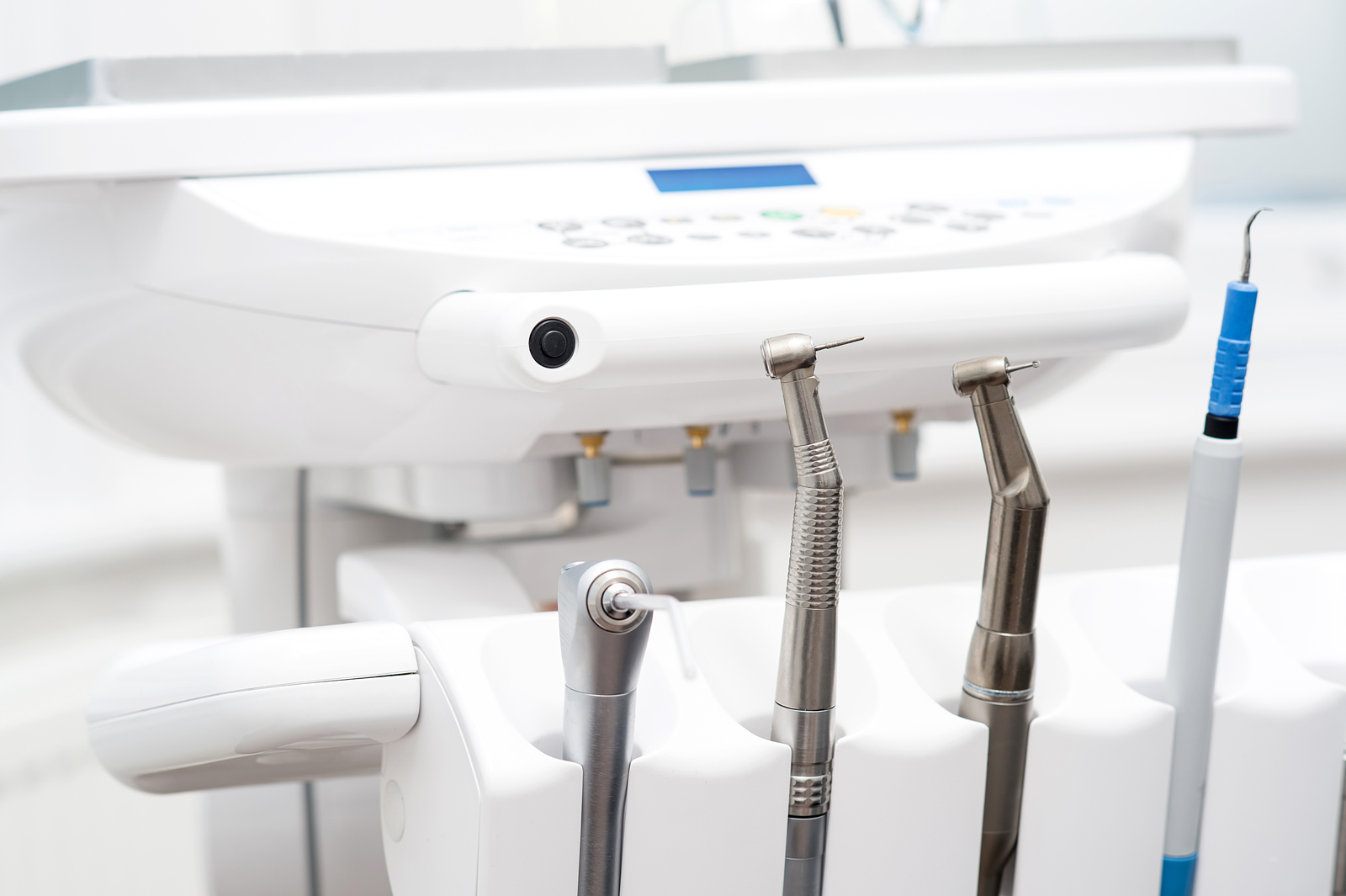
  • Debridement can be performed manually using specialized dental instruments called scalers or ultrasonic devices.
  • • Manual Scalers: These tools physically scrape away tartar.
  • • Ultrasonic Devices: These use vibrations to break down tartar while flushing the area with water for maximum cleanliness.

3. Procedure Duration

  • The time required for debridement depends on the severity of tartar deposits and the number of teeth involved. Mild cases may take around 30 minutes, while more advanced cases may require a longer appointment, sometimes multiple sessions.

4. Follow-Up Care

  • Once the procedure is complete, patients are often advised to schedule a follow-up to ensure that lingering tartar and bacteria have been addressed.

Frequency of Debridement

  • Most patients only need this procedure occasionally, particularly if they’ve missed dental cleaning appointments or have chronic gum-related issues. Dental cleanings every six months can help prevent the need for frequent debridement.

Who Needs Dental Debridement?

  • Dental debridement is not for everyone, but there are specific signs and risk factors that may indicate it’s necessary.

Signs You May Need Debridement:

  • • Thick layers of tartar visible around your teeth or below your gum line
  • • Persistent gum inflammation or swelling (a sign of gingivitis or periodontitis)
  • • Bleeding gums during brushing or flossing
  • • Difficulty cleaning teeth in certain areas due to crowding or neglect

Common Candidates Include:

  • • Individuals who have missed routine cleanings for an extended period
  • • Patients with gum disease or periodontal concerns
  • • Those experiencing tooth sensitivity due to plaque accumulation

Benefits of Dental Debridement

  • Investing in your oral health through this procedure offers numerous short- and long-term advantages, including:

1. Improved Oral Hygiene

  • Removing tartar helps reduce bacteria, paving the way for healthier teeth and gums.

2. Prevention of Periodontal Disease

  • By addressing buildup early, debridement reduces your risk of developing gum disease or progressing to severe periodontitis.

3. Better Diagnostic Accuracy

  • Teeth coated in tartar make it difficult for your dentist to assess your oral health properly. Debridement ensures a clear view for examinations.

4. Fresher Breath

  • Tartar buildup doesn’t only harm your teeth—it can also lead to persistent bad breath. Removing these deposits restores freshness to your smile.

Post-Debridement Care

  • The process doesn’t end after your appointment. To maintain the benefits of debridement, proper care is essential.

Tips for Post-Debridement Maintenance:

  • • Brush and Floss Regularly: Brush twice daily with fluoride toothpaste and floss daily to prevent new tartar buildup.
  • • Stick to Your Dental Appointments: Schedule routine checkups and cleanings every six months to keep your oral health on track.
  • • Follow Dentist Recommendations: Your dentist might suggest mouth rinses, electric toothbrushes, or other tools to aid in maintaining a tartar-free mouth.

What to Expect After the Procedure

  • It’s normal to experience mild gum tenderness or sensitivity following debridement, especially if the buildup was extensive. Drinking lukewarm water and using a gentle toothbrush can help minimize discomfort. Most patients feel back to normal within a few days.

Trust St. George Dental Care for Expert Debridement

  • Dental debridement is more than just a cleaning—it’s an essential step toward better oral health for those with significant tartar buildup. At St. George Dental Care, our highly trained dentists and hygienists take pride in delivering gentle, effective care that prioritizes your comfort.
  • If you’re overdue for a dental cleaning or suspect you may need debridement, we’re here to help. Schedule your appointment today and experience the difference of professional, compassionate dental care.

Schedule with Saint George Dental Care Today

  • Request an appointment here: https://www.stgeorgedentalcare.com or call St. George Dental Care at (435) 628-9099 for an appointment in our St George office.

    Check out what others are saying about our services on Yelp: Read our Yelp reviews.

    Recent Posts

    Smoking Teeth And Gums: Understanding The Long-Term Effects

    At St. George Dental Care, we are committed to providing quality healthcare to families in Southern Utah. A crucial part of our mission is educating patients on how lifestyle choices impact their oral health. One of the most significant factors is smoking. Did you know that smokers are twice as likely to have periodontal disease…

    Dental For Seniors: Common Issues And How To Prevent Them

    A healthy smile is a vital part of your overall well-being, no matter your age. For seniors, maintaining good oral health can significantly impact quality of life, from enjoying your favorite foods to speaking and smiling with confidence. However, aging can bring unique dental challenges that require specific attention and care.Understanding these common issues is…

    Does Vaping Affect Your Teeth? A Dentist’s Perspective

    Vaping has surged in popularity over the last decade, often viewed as a safer alternative to traditional smoking. With their vibrant colors and enticing flavors, e-cigarettes have attracted millions of users. But as their use becomes more widespread, important questions about their long-term health effects arise. One of the most common concerns we hear as…

    Cold Weather, Sensitive Teeth: How To Manage Winter Tooth Sensitivity

    Winter brings crisp air, cozy sweaters, and for many, an unexpected jolt of pain when sipping hot cocoa or stepping outside. If you've ever winced from a sudden zing in your teeth during the colder months, you're not alone. Winter tooth sensitivity affects millions of people and can turn simple pleasures into uncomfortable experiences.The good…

Recent Posts

Smoking Teeth And Gums: Understanding The Long Term Effects

Smoking Teeth And Gums: Understanding The Long-Term Effects

At St. George Dental Care, we are committed to providing quality healthcare to families in Southern Utah. A crucial part of our mission is educating patients on how lifestyle choices impact their oral health. One of the most significant factors is smoking. Did you know that smokers are twice as likely to have periodontal disease…

Dental For Seniors: Common Issues And How To Prevent Them

Dental For Seniors: Common Issues And How To Prevent Them

A healthy smile is a vital part of your overall well-being, no matter your age. For seniors, maintaining good oral health can significantly impact quality of life, from enjoying your favorite foods to speaking and smiling with confidence. However, aging can bring unique dental challenges that require specific attention and care.Understanding these common issues is…