What’s the Best Way to Replace Missing Teeth? Comparing Your Options

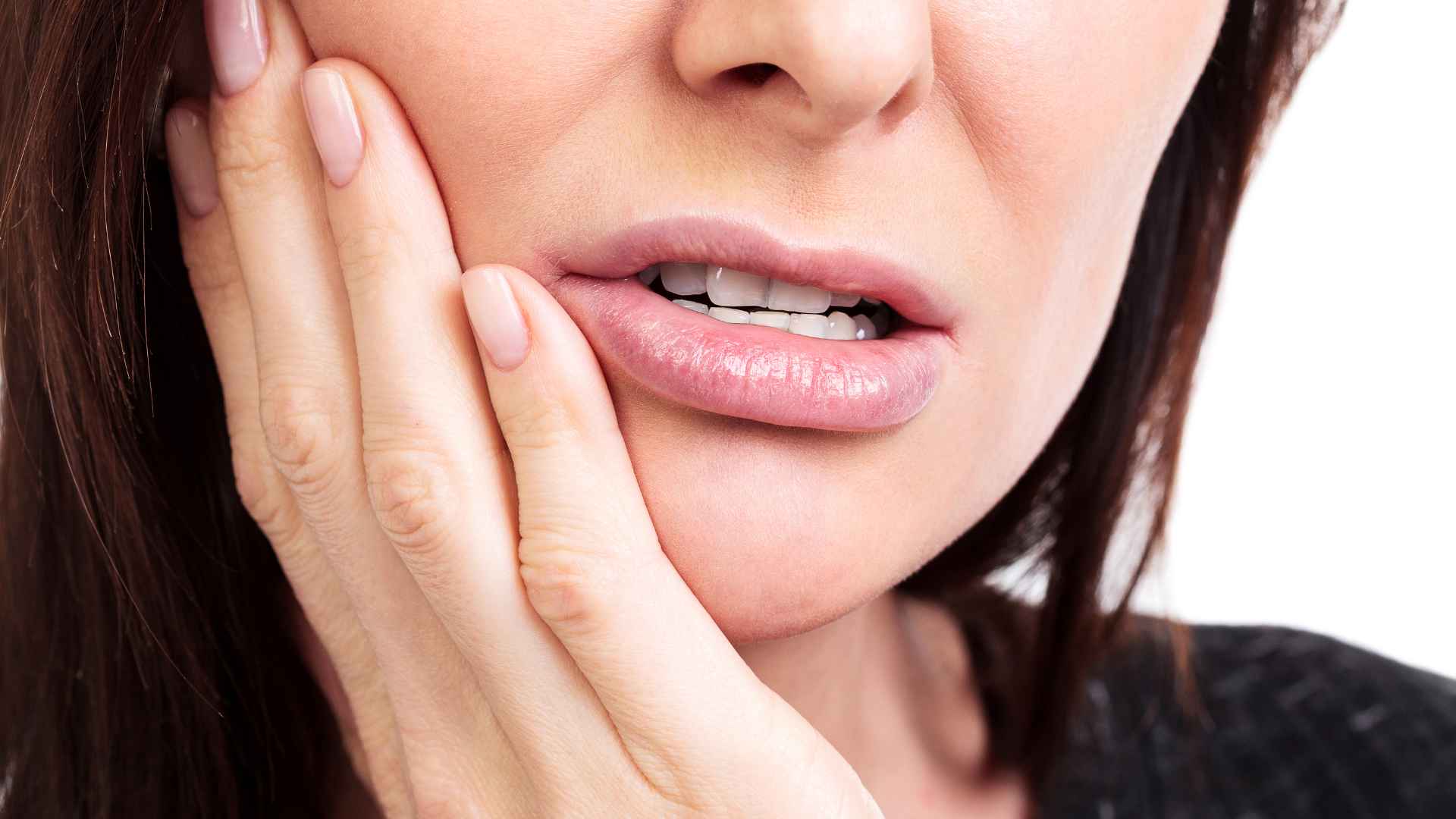
  • Invisalign St George, UT Losing a tooth can significantly impact your daily life. A gap in your smile often affects how clearly you speak, how well you chew your favorite foods, and how confidently you share your smile with the world. Over time, missing teeth also create hidden long-term oral health problems that can lead to further tooth loss.
  • When patients realize they need a restorative solution, they often feel overwhelmed by the variety of choices available. It is completely normal to feel unsure about where to begin. You might find yourself searching for the best way to replace missing teeth while balancing your personal budget and comfort. At St. George Dental Care, we believe that understanding your choices is the first step toward reclaiming your smile. This guide breaks down the most common restorative treatments to help you compare your options clearly and calmly.
  • Disclaimer: This article is for educational purposes only and does not replace professional dental advice, diagnosis, or treatment. Every patient has different oral health needs, goals, and budget considerations. For personalized recommendations, consult a licensed dental professional directly.

Why Replacing Missing Teeth Matters

  • Your teeth work together as a complete system. When one is missing, the neighboring teeth often shift into the space, causing alignment and bite problems. This shifting can make chewing painful and create hard-to-clean areas where harmful bacteria thrive.
  • Furthermore, your jawbone relies on the constant stimulation of chewing to stay strong. Without a tooth root in place, the bone slowly begins to shrink and deteriorate. Exploring missing tooth replacement options helps preserve your facial structure, stabilize your bite, and restore the comfort and confidence you deserve.

Dental Implants

  • Dental implants are widely considered the gold standard in modern restorative dentistry. They consist of a small titanium post surgically placed into your jawbone, acting as an artificial tooth root. After the bone heals around the post, a custom-made crown is attached to the top to complete the restoration.

Pros of Dental Implants

  • Implants offer incredible longevity, often lasting a lifetime with proper care. They look, feel, and function just like your natural teeth. Most importantly, the titanium post stimulates the jawbone, preventing the bone loss that naturally occurs after a tooth falls out. When comparing dental implants vs bridge treatments, implants offer the highest level of stability.

Cons of Dental Implants

  • The primary drawback for many patients is the higher upfront cost. Because implant placement requires oral surgery, the process involves a longer healing time, sometimes several months from start to finish.

ho Benefits Most from Implants?

longev
  • Implants are ideal for patients seeking a permanent, low-maintenance solution for one or more missing teeth. You must have a relatively healthy jawbone and be willing to invest the time required for the surgical healing process.

Dental Bridges

  • A dental bridge literally bridges the gap left by a missing tooth. It consists of a custom false tooth, perfectly held in place by dental crowns attached to the healthy teeth on either side of the empty space.

Pros of Bridges

  • Bridges provide a much faster treatment timeline than implants because they do not require surgery or extended bone healing. They restore your chewing ability and smile aesthetics quickly and generally cost less upfront than surgical options.

Cons of Bridges

  • To support the bridge, the dentist must permanently alter the healthy neighboring teeth by shaving them down to fit the anchoring crowns. Additionally, bridges do not replace the tooth root, meaning you may still experience some gradual bone loss underneath the false tooth. When looking at dental implants vs bridge options, a bridge typically has a shorter lifespan and will likely need replacement after 10 to 15 years.

Who Benefits Most from Bridges?

  • Bridges are an excellent choice for patients who want a fixed, non-removable restoration but prefer to avoid oral surgery. They are also ideal for patients who want a faster timeline to a complete smile.

Full Dentures

  • Full dentures are removable appliances that replace all the teeth in an upper or lower arch. They consist of an acrylic base that mimics the look of natural gums, supporting a full set of false teeth.

Pros of Dentures

  • Dentures are a highly affordable option for replacing all of your teeth at once. They require no surgery, offer a fast transition to a full smile, and restore the basic structure of your face so your cheeks and lips do not sag.

Cons of Dentures

  • Because they sit on top of the gums, traditional dentures can sometimes shift, slip, or click when you speak or eat. They require dedicated daily maintenance and cleaning. Over time, as your jawbone naturally shrinks without tooth roots, dentures will need to be adjusted or relined to maintain a proper fit.

Who Benefits Most from Dentures?

  • Full dentures are the primary solution for patients who are missing most or all of their teeth in a dental arch. They are especially beneficial for budget-conscious patients seeking a comprehensive aesthetic and functional restoration.

Partial Dentures

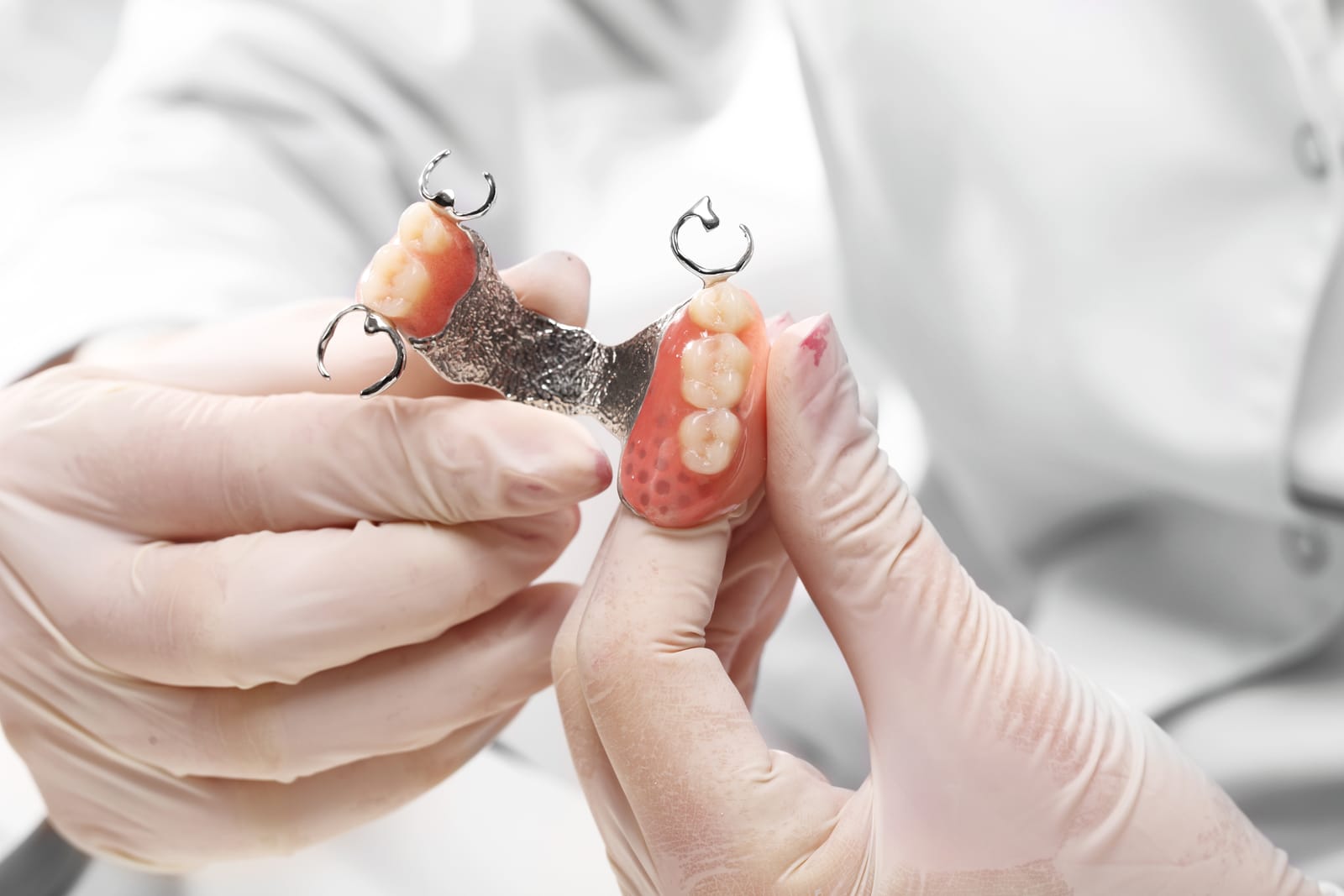
  • If you still have several healthy natural teeth remaining, partial dentures are an excellent choice. This removable appliance consists of replacement teeth attached to a pink or gum-colored plastic base, often connected by a metal framework that clasps securely onto your existing teeth.

Pros of Partial Dentures

  • Partial dentures are very affordable and completely non-invasive. They fill multiple gaps in your smile at once while preserving your remaining healthy teeth. They are also relatively easy to adjust or add to if you lose another tooth in the future.

Cons of Partial Dentures

  • Like full dentures, partials are removable and must be taken out for cleaning and sleeping. Some patients feel they are slightly bulky or take time to get used to. The metal clasps may also be slightly visible depending on where they anchor in your mouth.

Who Benefits Most from Partial Dentures?

  • These are one of the best missing tooth replacement options for patients who have lost multiple teeth but do not need a full-arch replacement. They provide a cost-effective way to restore function without altering healthy teeth.

Comparing Cost, Comfort, and Longevity

  • Here’s a quick overview to help you compare teeth replacement options.

Longevity

  • • Dental implants are the most permanent solution, often lasting for decades.
  • • Bridges generally last 10 to 15 years.
  • • Dentures typically need replacement or relining every 5 to 10 years.

Comfort

  • • Implants and bridges feel and function like natural teeth, offering maximum comfort and chewing power.
  • • Dentures can take time to get used to and may occasionally shift.

Maintenance

  • • Implants and bridges are cared for just like natural teeth with regular brushing and flossing.
  • • Removable dentures require daily out-of-mouth cleaning and soaking.

Cost

  • • Implants have the highest upfront cost but offer the best long-term value.
  • • Bridges are a mid-range option.
  • • Dentures are the most budget-friendly choice initially.

How to Choose the Best Tooth Replacement Option

  • Selecting the right treatment depends entirely on your unique circumstances. When you sit down with your dentist, you will discuss factors like your current oral health, jawbone density, lifestyle habits, and long-term goals. Your daily comfort and financial budget play huge roles in deciding what works best for you.
  • We highly recommend browsing our restorative dentistry page to explore how we approach replacing missing teeth. If you have specific questions about timelines or insurance coverage, our FAQ page is a great resource to review before your consultation.

Why Patients Trust St. George Dental Care

  • Your smile is incredibly personal, which is why we focus heavily on personalized treatment planning and clear patient education. We offer a full range of modern restorative solutions, taking the time to explain the pros and cons of each without pushing you toward any single treatment.
  • We are proud of our commitment to transparent communication and long-term smile restoration. It is an honor to maintain a 5-star rating with over 1,400 reviews from our community. You can read real patient experiences directly on Google reviews.

Find the Best Missing Tooth Replacement Options for You

  • There is no single restorative treatment that fits every single patient perfectly. Carefully comparing your options is the smartest way to make a confident decision about your health. By understanding the longevity, maintenance, and comfort levels of each choice, you can take control of your restorative journey.
  • Professional guidance is the final piece of the puzzle. If you want to discover the best way to replace missing teeth for your specific smile, we are here to help. Reach out to our friendly team via our contact page to schedule your personalized consultation today!

Schedule with Saint George Dental Care Today

  • Request an appointment here: https://www.stgeorgedentalcare.com or call St. George Dental Care at (435) 628-9099 for an appointment in our St George office.

    Check out what others are saying about our services on Yelp: Read our Yelp reviews.

    Recent Posts

    Do You Need A Night Guard? Understanding Teeth Grinding And Treatment Options

    Waking up with a sore jaw or a dull headache isn't always about a bad night's sleep. For a lot of people, it's a sign of nighttime teeth grinding, a habit called bruxism that often happens without you ever realizing it.This article covers the common signs of nighttime grinding, why it matters if left untreated,…

    How Long Do Dental Implants Last? A Realistic Look At Implant Lifespan

    "Implants last forever" is a phrase that gets thrown around a lot, and it's not quite accurate. Dental implants are one of the most durable tooth replacement options available, but calling them permanent oversimplifies what actually determines how long they hold up.This article looks at realistic implant lifespan, what factors affect longevity, and what that…

    What Is A Gum Boil? Causes, Symptoms, And When To See A Dentist

    Spotting a small bump on your gum can be startling, especially if it appeared seemingly overnight. Most people search for answers right away, and understandably so. A gum boil looks unusual, but it's a fairly common dental issue with clear causes and a straightforward path to treatment.This guide covers what a gum boil actually is,…

    Signs Of A Cavity: What Early Tooth Decay Looks And Feels Like

    Cavities don't usually show up overnight. They develop slowly, and the earliest signs are often small enough to miss unless you know what to look for. Catching those early clues gives you a much better shot at simple treatment instead of a bigger procedure down the road.This guide covers what a cavity actually looks and…

Recent Posts

Do You Need A Night Guard? Understanding Teeth Grinding And Treatment Options

Do You Need A Night Guard? Understanding Teeth Grinding And Treatment Options

Waking up with a sore jaw or a dull headache isn't always about a bad night's sleep. For a lot of people, it's a sign of nighttime teeth grinding, a habit called bruxism that often happens without you ever realizing it.This article covers the common signs of nighttime grinding, why it matters if left untreated,…

How Long Do Dental Implants Last? A Realistic Look At Implant Lifespan

How Long Do Dental Implants Last? A Realistic Look At Implant Lifespan

"Implants last forever" is a phrase that gets thrown around a lot, and it's not quite accurate. Dental implants are one of the most durable tooth replacement options available, but calling them permanent oversimplifies what actually determines how long they hold up.This article looks at realistic implant lifespan, what factors affect longevity, and what that…