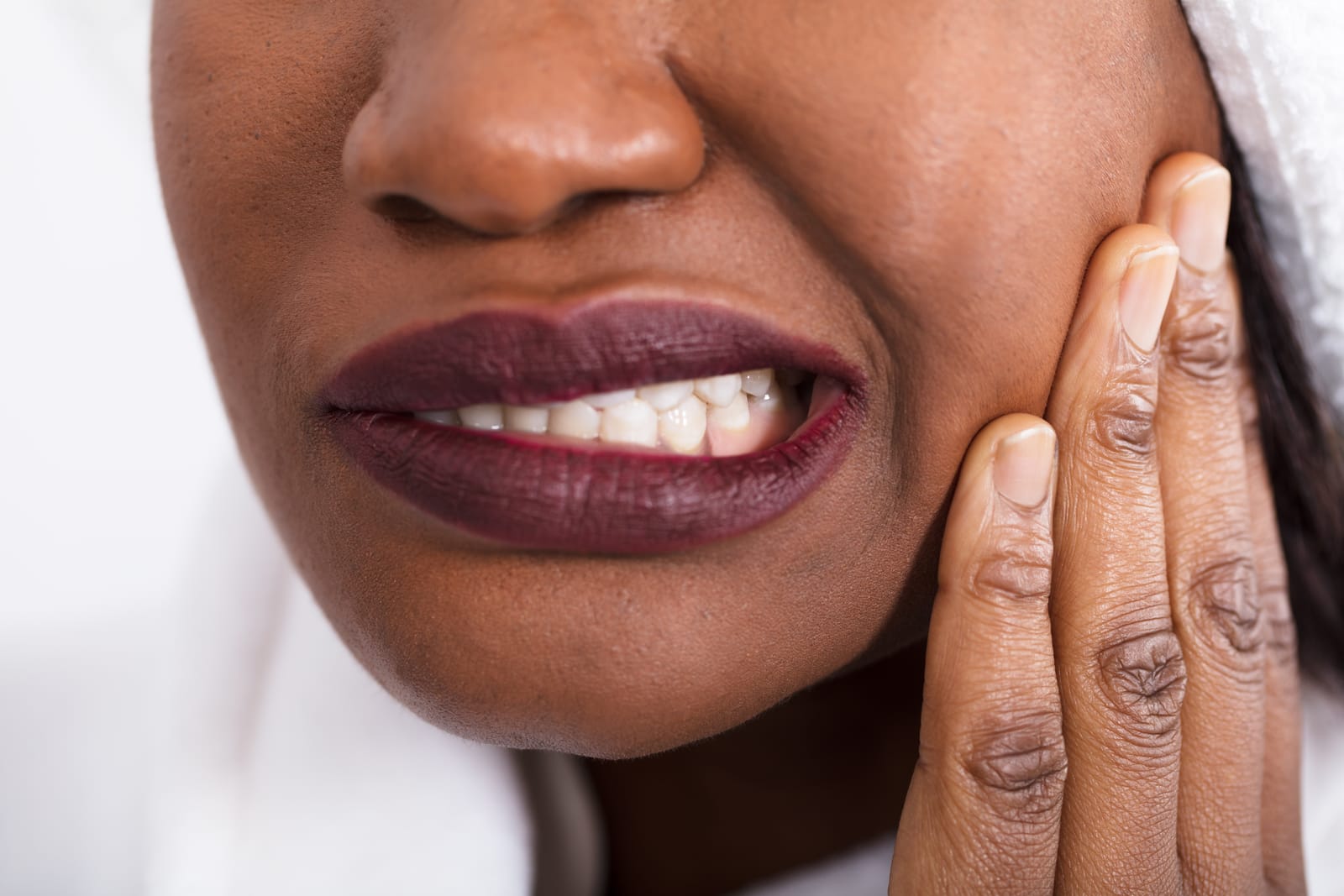
What Causes Tooth Pain? Common Reasons Dentists See in St. George

  • Invisalign St George, UT Tooth pain has a way of making itself impossible to ignore. Whether it’s a dull ache that comes and goes, a sharp jolt when you bite down, or persistent throbbing that wakes you up at night, something in your mouth is telling you that it needs attention.
  • The tricky part is that tooth pain can have many possible causes, and identifying the right one makes all the difference in how it is treated. At St. George Dental Care, we see patients with tooth pain regularly, and the cause is not always what they expect.
  • Here’s a look at the most common reasons people experience tooth pain and what each one typically means for your oral health.

Cavities

  • Cavities are among the most common causes of tooth pain. When decay breaks through the tooth’s outer enamel and reaches the inner layers, the nerve endings become more exposed to temperature, pressure, and bacteria. This can produce sensitivity to sweet foods, cold drinks, or biting pressure.
  • In the early stages, cavity pain may be mild or intermittent. As decay progresses deeper toward the nerve, the pain typically becomes more consistent and harder to ignore. Early treatment with a filling can prevent the problem from becoming a more involved procedure.

Cracked or Fractured Teeth

  • A cracked tooth doesn’t always look broken from the outside, which makes it one of the more difficult causes of tooth pain to identify without an exam. Cracks can result from chewing hard foods, teeth grinding, injury, or even temperature changes over time.
  • The pain from a cracked tooth often feels like a sharp, sudden jolt when biting down, followed by quick relief. It may also cause sensitivity to temperature. The severity of treatment depends on how deep the crack extends. Some cracks can be managed with a crown, while others that extend to the root may require more extensive care.

Tooth Infection or Abscess

  • An infection at the root of a tooth or in the surrounding gum tissue is a more serious cause of tooth pain that typically requires prompt treatment. Infections often develop when decay or damage goes untreated long enough for bacteria to reach the inner pulp of the tooth.
  • Symptoms of a dental abscess may include severe, throbbing pain, swelling in the jaw or face, fever, a bad taste in the mouth, or a visible bump on the gums. This type of tooth pain should not be waited out. Left untreated, dental infections can spread to surrounding tissues and become a more significant health concern.

Gum Disease

  • Gum disease doesn’t always cause obvious tooth pain in its early stages, but as it progresses, patients often notice tenderness, aching, or sensitivity around affected teeth. Gum recession caused by advancing gum disease can expose the roots of teeth, which are not covered by enamel and are significantly more sensitive to temperature and pressure.
  • Bleeding gums, persistent bad breath, and loose teeth are other signs that gum disease may be contributing to discomfort. Treating gum disease early helps protect both the gums and the teeth they support.

Teeth Grinding and Clenching

  • Many people grind or clench their teeth at night without realizing it. Over time, this places significant stress on the teeth, jaw joints, and surrounding muscles. Patients who grind often experience a dull, generalized ache in their teeth or jaw in the morning, along with headaches, facial soreness, or worn-down enamel.
  • A custom night guard is one of the most effective ways to protect teeth from the ongoing damage of grinding. If grinding is suspected as the cause of your tooth pain, a dentist can evaluate the wear patterns on your teeth and recommend appropriate treatment.

Tooth Sensitivity

  • Sensitivity is not always a sign of a specific problem, but it is a signal worth paying attention to. Teeth that react sharply to cold, heat, sweets, or even air may have thinning enamel, exposed roots, a small crack, or early-stage decay.
  • Some sensitivity is temporary and resolves on its own. Persistent or worsening sensitivity usually indicates that something has changed in the tooth structure and warrants an evaluation. Desensitizing toothpaste can offer temporary relief, but it does not address the underlying cause.

Recent Dental Work

  • It’s not unusual for a tooth to feel sore or sensitive after a filling, crown, or other dental procedure. Some post-treatment sensitivity is a normal part of healing and typically resolves within a few days to a couple of weeks.
  • If pain after dental work is severe, worsening rather than improving, or accompanied by other symptoms, it’s worth reaching out to your dental office to confirm that everything is healing as expected.

When Tooth Pain Becomes an Emergency

  • Some tooth pain can wait until a scheduled appointment. Other situations call for more immediate attention. Seek same-day or emergency dental care if you experience:
  • • Severe, unrelenting pain that is not manageable with over-the-counter pain relief.
  • • Swelling in the face, jaw, or neck.
  • • Fever alongside dental pain.
  • • A tooth that has been knocked out or severely damaged. Difficulty opening your mouth, swallowing, or breathing.

What to Do If You Have Tooth Pain

  • If a tooth has been bothering you, the most reliable thing you can do is get it looked at. Tooth pain rarely resolves permanently without addressing the underlying cause, and most dental problems are easier and less costly to treat when caught early.
  • You can find answers to common dental questions in our FAQ, or contact our team to schedule an appointment.
  • At St. George Dental Care, we take time to listen to what patients are experiencing, explain what we find, and work through treatment options together. Whether you’re dealing with a nagging ache or something that needs same-day attention, we’re here to help.
  • Phone: (435) 628-9099
  • Address: 444 E Tabernacle St #1, St George, UT 84770

Schedule with Saint George Dental Care Today

  • Request an appointment here: https://www.stgeorgedentalcare.com or call St. George Dental Care at (435) 628-9099 for an appointment in our St George office.

    Check out what others are saying about our services on Yelp: Read our Yelp reviews.

    Recent Posts

    Why Are My Gums Receding? Common Causes And Treatment Options

    Most people first notice gum recession while brushing, flossing, or catching their reflection in the mirror. You might spot teeth that suddenly look longer or feel a new twinge of sensitivity. If you have found yourself wondering why your gums are receding, you are far from alone.Receding gums are common, but they should never be…

    Can Gum Disease Be Reversed? Understanding Gingivitis Vs Periodontitis

    Gum disease is one of the most common dental conditions affecting adults today. Many patients wonder, can gum disease be reversed, or is the damage permanent?The honest answer is that it depends on how far the condition has progressed. Early stages often respond well to treatment, while advanced stages require ongoing management. Understanding the difference…

    What Happens If You Don't Replace A Missing Tooth?

    Losing a tooth can occur for various reasons, such as decay, injury, gum disease, or extraction. Many people simply adapt and move on, especially if the missing tooth isn't visible when they smile or doesn't seem to cause any immediate issues. As a result, they often postpone considerations for replacement indefinitely.However, leaving a missing tooth…

    Am I Too Old For Dental Implants? What Seniors In St. George Should Know

    It's one of the most common questions dentists hear from older adults considering tooth replacement: am I too old for dental implants? The concern is understandable. Implants are a surgical procedure; healing can feel like more of an unknown as we get older, and the process involves a longer timeline than some other options.But here's…

Recent Posts

Why Are My Gums Receding? Common Causes And Treatment Options

Why Are My Gums Receding? Common Causes And Treatment Options

Most people first notice gum recession while brushing, flossing, or catching their reflection in the mirror. You might spot teeth that suddenly look longer or feel a new twinge of sensitivity. If you have found yourself wondering why your gums are receding, you are far from alone.Receding gums are common, but they should never be…

Can Gum Disease Be Reversed? Understanding Gingivitis Vs Periodontitis

Can Gum Disease Be Reversed? Understanding Gingivitis Vs Periodontitis

Gum disease is one of the most common dental conditions affecting adults today. Many patients wonder, can gum disease be reversed, or is the damage permanent?The honest answer is that it depends on how far the condition has progressed. Early stages often respond well to treatment, while advanced stages require ongoing management. Understanding the difference…