How to Get Rid of a Canker Sore Fast: Remedies That Actually Work

  • Canker Sore Treatment St George, UT That sharp sting inside your cheek or under your tongue is hard to ignore. Canker sores show up at the worst times, right when you’re eating, talking, or brushing your teeth. The good news is most canker sores heal on their own, and a few simple steps can ease the pain while that happens.
  • This guide walks through fast home remedies, over the counter options, and signs that mean it’s time to call a dentist, brought to you by St. George Dental Care.

What Exactly Is a Canker Sore

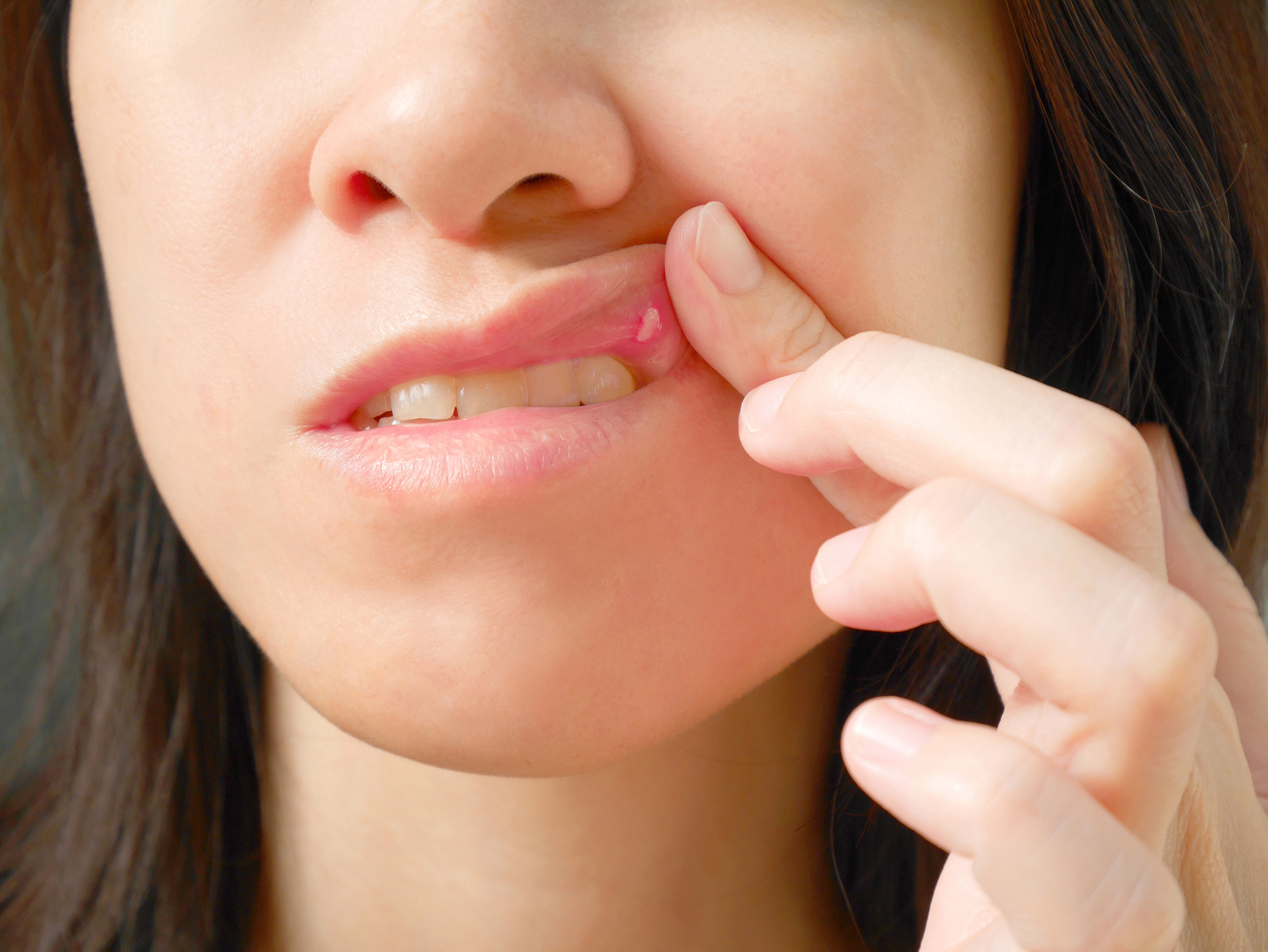
  • A canker sore is a small, shallow ulcer that forms inside the mouth. It usually looks round or oval, with a white or yellow center and a red border. They show up on the inside of the cheeks, lips, tongue, or at the base of the gums.
  • Canker sores are not contagious. Stress, minor injury from biting your cheek, acidic foods, and certain vitamin deficiencies can all trigger one.

Canker Sore vs Cold Sore: Know the Difference

  • Patients mix these two up constantly, but they are not the same thing. Knowing which one you have changes how you should treat it.
  • • Canker sores: Form inside the mouth and are not contagious.
  • • Cold sores: Form outside the mouth, usually on or around the lips, and come from the herpes simplex virus.
  • • Cold sores: Are contagious and often start with tingling or burning before a blister appears.
  • • Canker sores: Tend to be more painful to the touch but do not blister or crust over.
  • If your sore is on the outside of your lip and looks like a cluster of small blisters, you’re likely dealing with a cold sore instead. Our guide on cold sore treatment methods covers that condition in detail.

Fast Home Remedies for Canker Sores

  • Most canker sores respond well to simple care at home. These remedies won’t make the sore vanish overnight, but they can cut down pain and speed healing.

Salt Water Rinse

  • A canker sore salt remedy is one of the oldest tricks around, and it still works. Salt draws out fluid from the sore and helps reduce swelling. Mix half a teaspoon of salt into a cup of warm water. Swish gently for 30 seconds, then spit it out. Repeat two to three times a day.

Baking Soda Paste

  • Baking soda helps balance the acid level around the sore, which can ease irritation. Mix a small amount with water to form a thick paste. Dab it directly onto the sore and leave it for a minute before rinsing.

Cold Compress

  • Holding a small ice chip or cold, wet cloth against the sore can numb the area for quick relief. This works well right before eating or talking if the pain is sharp.

Avoid Trigger Foods

  • Spicy, salty, and acidic foods make canker sores hurt more. Citrus fruits, tomatoes, and vinegar-based dressings are common offenders. Sticking to bland, soft foods for a few days gives the sore room to heal.

Over the Counter Canker Sore Treatment

  • Pharmacy shelves carry several products built specifically for canker sore treatment. Topical gels containing benzocaine can numb the area on contact. Oral bandages create a protective barrier over the sore, which shields it from friction while eating or talking. Antimicrobial mouth rinses can also lower bacteria in the area and support faster healing.
  • Most canker sores clear up within one to two weeks with these steps.

When to See a Dentist

  • A canker sore usually isn’t cause for alarm, but a few signs mean it’s worth getting checked out.
  • • The sore lasts longer than two weeks without improvement
  • • You develop several sores at once
  • • The sore is unusually large or keeps spreading
  • • Pain is severe enough to interfere with eating or drinking
  • • You have a fever along with the sore
  • Recurring or unusually large sores sometimes point to an underlying issue, like a vitamin deficiency or another condition that needs attention. A dentist can rule out other causes and recommend treatment suited to your situation. Learn more about maintaining good oral health in our Oral Hygiene Basics guide.

Frequently Asked Questions

  • Can stress really cause canker sores?
  • Yes. Stress is one of the most common triggers dentists see. It can weaken your body’s normal defenses and make you more prone to mouth sores.
  • Is it safe to use both salt water and baking soda?
  • Yes, many patients use both. Try rinsing with salt water first, then applying a baking soda paste later in the day.
  • Will a canker sore go away without any treatment?
  • Most do, typically within one to two weeks. Home remedies simply help manage the pain and may shorten healing time.

Feel Better Faster

  • A canker sore is uncomfortable, but it’s rarely a serious problem. Salt water rinses, over the counter gels, and a little patience usually do the trick. If a sore lingers, keeps coming back, or feels unusually painful, it’s worth having a professional take a look.
  • St. George Dental Care is here to help with any mouth pain that doesn’t seem to be improving on its own.

Schedule with Saint George Dental Care Today

  • Request an appointment here: https://www.stgeorgedentalcare.com or call St. George Dental Care at (435) 628-9099 for an appointment in our St George office.

    Check out what others are saying about our services on Yelp: Read our Yelp reviews.

    Recent Posts

    White Fillings 101: What To Know About Composite Fillings

    Cavities are common, and so is the question that comes right after your dentist finds one. What kind of filling should you get? For most patients today, the answer is a white filling made from composite resin.This guide covers what composite fillings are, how they compare to the old metal kind, what the process looks…

    My Crown Fell Out: What To Do Right Now (and Why It Happened)

    You were eating or brushing, and suddenly something felt off. Now you're holding a small piece of porcelain or metal, staring at a strange gap where your tooth used to look normal. A crown that comes off is unsettling, but it's also one of the more manageable dental emergencies out there.Here's exactly what to do…

    Why Are My Gums Receding? Common Causes And Treatment Options

    Most people first notice gum recession while brushing, flossing, or catching their reflection in the mirror. You might spot teeth that suddenly look longer or feel a new twinge of sensitivity. If you have found yourself wondering why your gums are receding, you are far from alone.Receding gums are common, but they should never be…

    Can Gum Disease Be Reversed? Understanding Gingivitis Vs Periodontitis

    Gum disease is one of the most common dental conditions affecting adults today. Many patients wonder, can gum disease be reversed, or is the damage permanent?The honest answer is that it depends on how far the condition has progressed. Early stages often respond well to treatment, while advanced stages require ongoing management. Understanding the difference…

Recent Posts

White Fillings    : What To Know About Composite Fillings

White Fillings 101: What To Know About Composite Fillings

Cavities are common, and so is the question that comes right after your dentist finds one. What kind of filling should you get? For most patients today, the answer is a white filling made from composite resin.This guide covers what composite fillings are, how they compare to the old metal kind, what the process looks…

My Crown Fell Out: What To Do Right Now (and Why It Happened)

My Crown Fell Out: What To Do Right Now (and Why It Happened)

You were eating or brushing, and suddenly something felt off. Now you're holding a small piece of porcelain or metal, staring at a strange gap where your tooth used to look normal. A crown that comes off is unsettling, but it's also one of the more manageable dental emergencies out there.Here's exactly what to do…