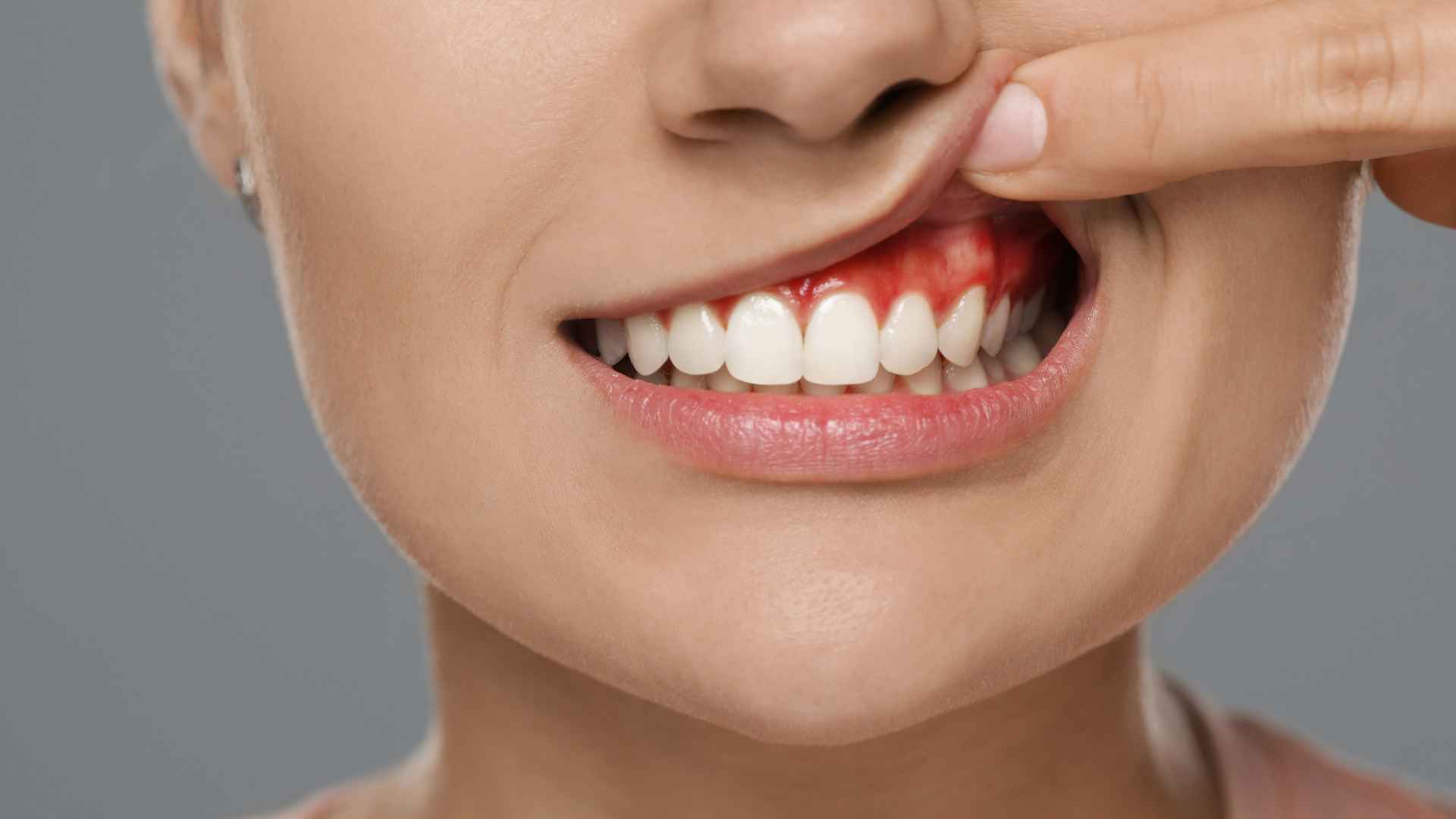
Why Are My Gums Receding? Common Causes and Treatment Options

  • Invisalign St George, UT Most people first notice gum recession while brushing, flossing, or catching their reflection in the mirror. You might spot teeth that suddenly look longer or feel a new twinge of sensitivity. If you have found yourself wondering why your gums are receding, you are far from alone.
  • Receding gums are common, but they should never be ignored. The good news is that early attention often prevents more serious dental problems down the road. At St. George Dental Care, we want you to feel informed and calm about your options. This guide explains the common causes, when recession becomes a concern, treatment options, and simple prevention strategies.
  • Disclaimer:This article is for educational purposes only and does not replace professional dental advice, diagnosis, or treatment. If you are experiencing symptoms of gum recession or other oral health concerns, schedule an evaluation with a qualified dental professional for personalized recommendations.

What Is Gum Recession?

  • Gum recession happens when the gum tissue surrounding your teeth gradually pulls away, exposing more of the tooth or its root. This process is usually slow, which is why many people do not notice it right away.
  • When the roots become exposed, your teeth often feel more sensitive to hot or cold. Exposed roots also lack the protective enamel of the crown, making them more vulnerable to decay. Understanding what is happening is the first step toward protecting your smile.

Common Receding Gums Causes

  • Gum recession rarely stems from a single issue. In most cases, several factors work together over time. Here are the most common receding gums causes to know about.

Brushing Too Aggressively

  • Scrubbing hard with a stiff toothbrush can do more harm than good. Excessive pressure and hard bristles slowly wear away enamel and irritate delicate gum tissue. Over the years, this repeated force pushes the gumline back.

Gum Disease

  • Gum disease is one of the leading receding gums causes. When inflammation goes unchecked, it damages the tissues and bone that support your teeth. Untreated periodontal disease accelerates recession significantly.

Genetics

  • Sometimes your family history plays a role. Some patients are simply more prone to gum recession because of inherited traits. This means recession can develop even when you maintain excellent oral hygiene.

Aging

  • Your gums naturally change as you get older. Years of normal wear can gradually contribute to receding gums. This is why regular monitoring becomes increasingly important as you age.

Teeth Grinding (Bruxism)

  • Grinding or clenching your teeth places excessive force on your gums and supporting bone. Over time, these pressures can contribute to recession. Many people grind their teeth at night without realizing it.

Tobacco Use

  • Smoking and other tobacco products reduce blood flow to your gums. This raises your risk of periodontal disease and slows healing. Tobacco users tend to experience more advanced gum problems as a result.

Other Contributing Factors

  • Several additional factors can contribute to why gums pull away. These include:
  • • Misaligned or crooked teeth
  • • Lip or tongue piercings that rub against the gums
  • • Hormonal changes during pregnancy or menopause
  • • Poor oral hygiene that allows plaque to build up

When Do Receding Gums Become a Serious Concern?

  • A little recession may seem minor, but certain signs deserve prompt attention. Recognizing them early gives you more treatment options.
  • Watch for these warning signs:
  • • Increased tooth sensitivity to temperature or sweets
  • • Visible tooth roots or teeth that appear longer
  • • Loose or shifting teeth
  • • Bleeding gums when brushing or flossing
  • • Persistent bad breath
  • • Discomfort while brushing or eating
  • If you notice any of these symptoms, schedule an evaluation with a dental professional. Early diagnosis often means simpler, less invasive care.

Gum Recession Treatment Options

  • The right approach depends on how far the recession has progressed and what is causing it. Your dentist will recommend a plan after a thorough exam. Here are the most common gum recession treatment options.

Improved Oral Hygiene

  • For mild cases, better daily habits can make a real difference. Switch to a soft-bristled toothbrush and use gentle, careful strokes. Consistent flossing and regular professional cleanings help keep your gums healthy and stop further damage.

Periodontal Therapy

  • When gum disease is the culprit, a deep cleaning called scaling and root planing may be needed. This treatment removes bacteria and tartar from below the gumline. Controlling the infection is key to preventing additional recession.

Night Guards for Teeth Grinding

  • If grinding is contributing to your recession, a custom night guard can help. This simple appliance cushions your teeth and reduces excessive bite pressure. Protecting your teeth at night eases the strain on your gums and bone.

Gum Grafting Procedures

  • In more advanced cases, a gum recession treatment, such as grafting, may be recommended. During this procedure, tissue is added to restore your gumline and cover exposed roots. Grafting protects vulnerable roots and improves both comfort and appearance.

How to Help Prevent Gum Recession

  • Prevention is always easier than treatment. A few simple habits go a long way toward protecting your gums:
  • • Brush gently with a soft-bristled toothbrush
  • • Floss every day to remove plaque between teeth
  • • Attend regular dental checkups and cleanings
  • • Avoid tobacco products
  • • Wear a night guard if your dentist recommends one
  • • Treat gum disease early before it worsens
  • Routine visits are one of your best defenses. Booking a dental checkup allows your dentist to catch small issues before they become serious concerns.

Why Patients Trust St. George Dental Care

  • Our team is committed to comprehensive preventive care and thorough gum health evaluations. We take the time to understand your needs and create personalized treatment recommendations that fit your goals. Combining modern dental technology with a warm, patient-first approach, we focus on building long-term relationships that keep your smile healthy.
  • We are proud to maintain a 5-star rating with over 1,400 Google reviews from our wonderful community. You can read real patient experiences on our Google reviews online. If you have more questions, our FAQs page offers helpful answers about our services and approach.

Protect Your Gums Before Recession Progresses

  • Gum recession has many possible causes, including aggressive brushing and grinding, gum disease, and genetics. If you have been asking, “Why are my gums receding?” remember that early diagnosis usually leads to simpler, more effective treatment. Healthy daily habits and regular dental visits help protect your smile for years to come.
  • Do not wait for the problem to worsen. Contact St. George Dental Care today to schedule your appointment through our contact page and take the first step toward healthier gums.

Schedule with Saint George Dental Care Today

  • Request an appointment here or call St. George Dental Care at (435) 628-9099 for an appointment in our St George office.

    Check out what others are saying about our services on Yelp: Read our Yelp reviews.

    Recent Posts

    White Fillings 101: What To Know About Composite Fillings

    Cavities are common, and so is the question that comes right after your dentist finds one. What kind of filling should you get? For most patients today, the answer is a white filling made from composite resin.This guide covers what composite fillings are, how they compare to the old metal kind, what the process looks…

    My Crown Fell Out: What To Do Right Now (and Why It Happened)

    You were eating or brushing, and suddenly something felt off. Now you're holding a small piece of porcelain or metal, staring at a strange gap where your tooth used to look normal. A crown that comes off is unsettling, but it's also one of the more manageable dental emergencies out there.Here's exactly what to do…

    How To Get Rid Of A Canker Sore Fast: Remedies That Actually Work

    That sharp sting inside your cheek or under your tongue is hard to ignore. Canker sores show up at the worst times, right when you're eating, talking, or brushing your teeth. The good news is most canker sores heal on their own, and a few simple steps can ease the pain while that happens.This guide…

    Can Gum Disease Be Reversed? Understanding Gingivitis Vs Periodontitis

    Gum disease is one of the most common dental conditions affecting adults today. Many patients wonder, can gum disease be reversed, or is the damage permanent?The honest answer is that it depends on how far the condition has progressed. Early stages often respond well to treatment, while advanced stages require ongoing management. Understanding the difference…

Recent Posts

White Fillings    : What To Know About Composite Fillings

White Fillings 101: What To Know About Composite Fillings

Cavities are common, and so is the question that comes right after your dentist finds one. What kind of filling should you get? For most patients today, the answer is a white filling made from composite resin.This guide covers what composite fillings are, how they compare to the old metal kind, what the process looks…

My Crown Fell Out: What To Do Right Now (and Why It Happened)

My Crown Fell Out: What To Do Right Now (and Why It Happened)

You were eating or brushing, and suddenly something felt off. Now you're holding a small piece of porcelain or metal, staring at a strange gap where your tooth used to look normal. A crown that comes off is unsettling, but it's also one of the more manageable dental emergencies out there.Here's exactly what to do…