Uncategorized

Can a Tooth Infection Make You Sick? What You Need to Know

  • Your oral health affects more than just your teeth—it’s deeply connected to the rest of your body. Taking care of your mouth is vital for boosting confidence with a healthy smile and ensuring proper nutrition. But what happens when something goes wrong? Specifically, can a tooth infection make you sick? The short answer is yes, and understanding this connection is crucial. This blog post explores how tooth infections occur, their potential impact on overall health, and what you can do to prevent and treat them.

What Is a Tooth Infection?

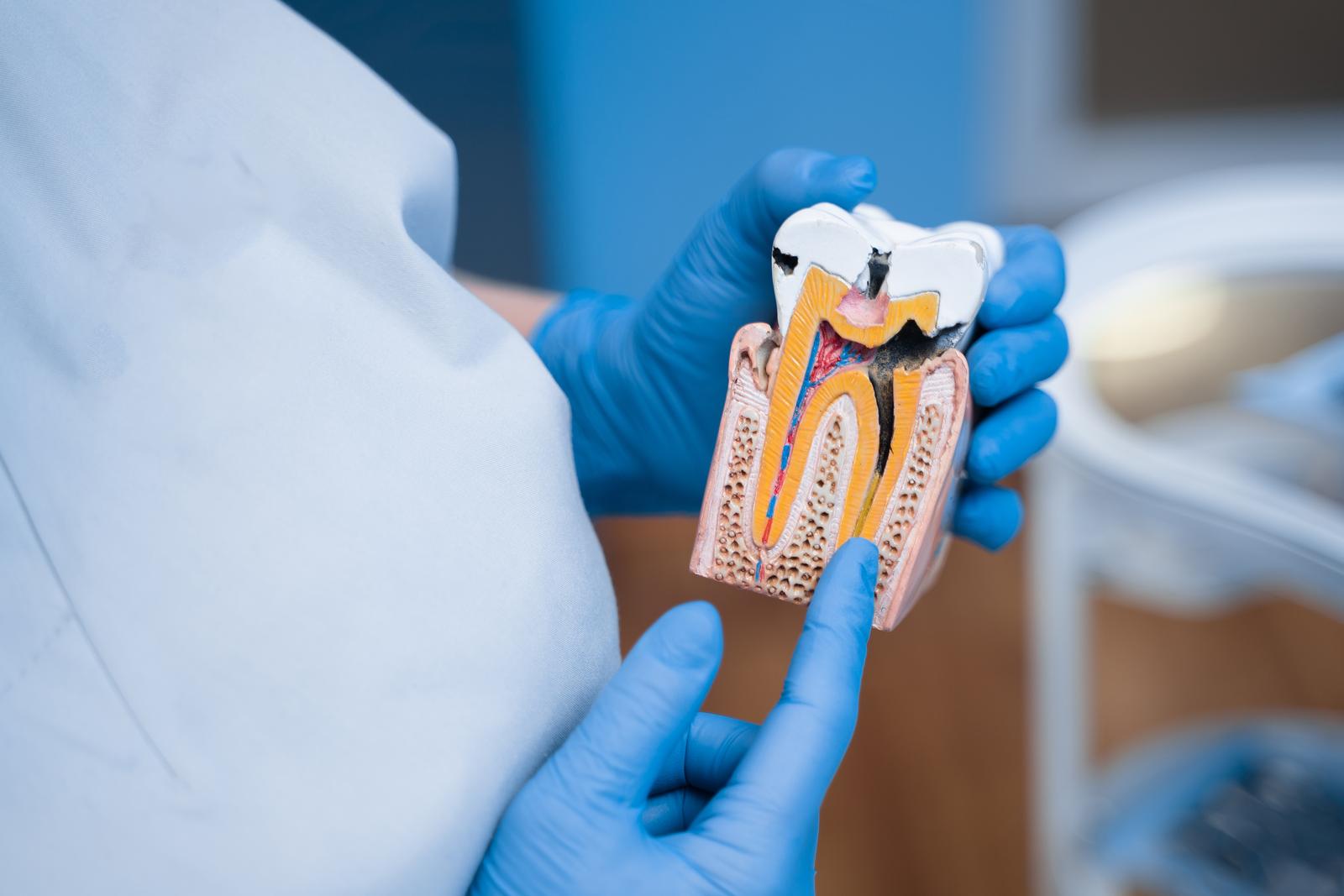
  • A tooth infection, also known as a dental abscess, occurs when bacteria invade the tooth’s inner parts, causing a pus buildup. It typically results from untreated tooth decay, gum disease, or tooth injuries.

Common Causes of Tooth Infections:

  • • Poor oral hygiene: Irregular brushing and flossing can lead to cavities and gum disease, which increase the risk of infection.
  • • Untreated cavities: Small cavities can worsen over time, allowing bacteria to enter the tooth.
  • • Dental trauma: Cracked or broken teeth make it easier for bacteria to reach the tooth’s inner layers.

Symptoms of a Tooth Infection:

  • • Severe, throbbing toothache
  • • Sensitivity to hot or cold
  • • Swelling in the face, jaw, or cheek
  • • Fever or fatigue
  • • Swollen lymph nodes in your neck
  • • Foul taste or smell in your mouth

How Tooth Infections Affect General Health

  • You may think a tooth infection is limited to your mouth, but that’s far from the truth. Left untreated, the infection can spread to other parts of your body, causing complications that might affect your overall health.

Risks and Complications:

  • 1- Sinus Infection: A tooth infection can spread there since your sinuses are close to your upper teeth.
  • 2- Bone Infection (Osteomyelitis): Bacteria can move down to your jawbone, leading to pain and swelling.
  • 3- Sepsis: An untreated tooth infection can enter your bloodstream, potentially resulting in sepsis—a life-threatening condition.
  • 4- Ludwig’sa disease Angina: This is a severe, rapidly spreading infection of the tissues under the tongue and jaw.
  • 5- Heart Problems: Studies have shown that oral infections may increase the risk of endocarditis, a disease of the heart’s lining.
  • Given these risks, the importance of seeking treatment early cannot be overstated.

When to Seek Professional Help

  • Do not ignore tooth pain or infection symptoms—it’s always better to err on the side of caution. Book an appointment with a dentist or healthcare professional if you suspect an infection.

Diagnosis Process:

  • Your dentist will:
  • • Examine your mouth for visual signs of abscess
  • • Use X-rays to determine the severity of the infection and its spread
  • • Discuss symptoms to identify any associated health risks

Treatment Options:

  • • Antibiotics: To kill the bacteria causing the infection
  • • Draining the Abscess: To remove the pus and relieve pressure
  • • Root Canal: To clean out the infected pulp and seal the tooth
  • • Tooth Extraction (in severe cases): If the tooth is beyond saving, it may need to be removed

How to Prevent Tooth Infections

  • The good news? Most tooth infections are completely preventable with the proper habits and routine care.

Practical Tips for Prevention:

  • 1- Brush Twice Daily: Use fluoride toothpaste and a soft-bristled toothbrush.
  • 2- Floss Daily: Clean between teeth to remove food particles and plaque.
  • 3- Eat a Balanced Diet: Avoid excessive sugars and include calcium-rich foods for stronger teeth.
  • 4- Stay Hydrated: Water helps rinse away food particles and bacteria.
  • 5- Regular Dental Check-Ups: Visit your dentist every six months for cleaning and examination.
  • 6- Treat Cavities Early: Don’t ignore minor tooth pain—it can save you from bigger problems later.
  • At St. George Dental Care, we emphasize preventative care as much as treatment. From thorough cleanings to tailored advice, we’ve got you covered.

Invest in Your Oral Health With St. George Dental Care

  • Your oral health directly impacts your overall well-being, and a tooth infection is not something to take lightly. Prioritize regular dental visits and address any unusual symptoms immediately. If you live in Southern Utah, look no further than St. George Dental Care for your dental needs.
  • Whether you’re due for a routine check-up or suspect a tooth infection, our experienced team provides expert care in a friendly environment. Your health begins with your smile—ensure it’s a healthy one.

Schedule with Saint George Dental Care Today

  • Request an appointment here: https://www.stgeorgedentalcare.com or call St. George Dental Care at (435) 628-9099 for an appointment in our St George office.

    Check out what others are saying about our services on Yelp: Read our Yelp reviews.

    Recent Posts

    What Is A Missing Tooth Clause? How It Affects Your Dental Insurance

    You finally decide to replace that missing tooth, submit a claim to your insurance, and get an unexpected denial. For a lot of patients, this is the first time they've ever heard the term missing tooth clause. It's confusing, and it can feel like the rug got pulled out from under a plan you were…

    How Often Do Dental Fillings Need To Be Replaced?

    Fillings aren't meant to last forever, even though they can hold up for many years with proper care. Wondering how long yours will last, or noticing something feels different about an old filling, is a completely normal thing to think about.Here's a look at how long different filling materials typically last, the signs that point…

    White Fillings 101: What To Know About Composite Fillings

    Cavities are common, and so is the question that comes right after your dentist finds one. What kind of filling should you get? For most patients today, the answer is a white filling made from composite resin.This guide covers what composite fillings are, how they compare to the old metal kind, what the process looks…

    My Crown Fell Out: What To Do Right Now (and Why It Happened)

    You were eating or brushing, and suddenly something felt off. Now you're holding a small piece of porcelain or metal, staring at a strange gap where your tooth used to look normal. A crown that comes off is unsettling, but it's also one of the more manageable dental emergencies out there.Here's exactly what to do…

St. George Dental Care

Share
Published by
St. George Dental Care

Recent Posts

What Is a Missing Tooth Clause? How It Affects Your Dental Insurance

You finally decide to replace that missing tooth, submit a claim to your insurance, and…

2 days ago

How Often Do Dental Fillings Need to Be Replaced?

Fillings aren't meant to last forever, even though they can hold up for many years…

5 days ago

White Fillings 101: What to Know About Composite Fillings

Cavities are common, and so is the question that comes right after your dentist finds…

1 week ago

My Crown Fell Out: What to Do Right Now (and Why It Happened)

You were eating or brushing, and suddenly something felt off. Now you're holding a small…

2 weeks ago

How to Get Rid of a Canker Sore Fast: Remedies That Actually Work

That sharp sting inside your cheek or under your tongue is hard to ignore. Canker…

3 weeks ago

Why Are My Gums Receding? Common Causes and Treatment Options

Most people first notice gum recession while brushing, flossing, or catching their reflection in the…

1 month ago