Using Dental Implants To Replace Teeth
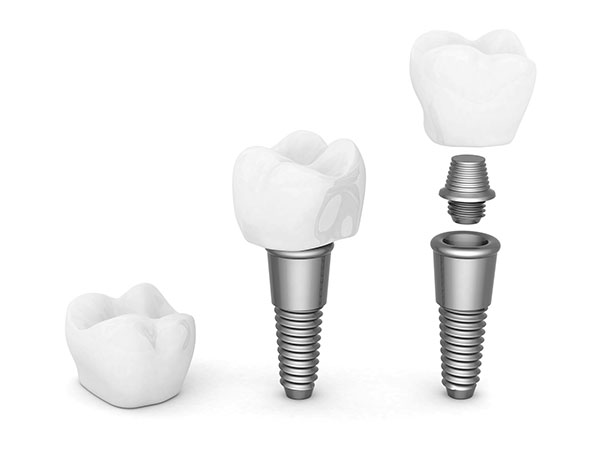 The use of dental implants, to replace lost teeth, is a testament to the resilience of a treatment method that has been around for thousands of years and has seen a new resurgence with better technology and the use of higher quality materials. In fact, dental implants are so successful that we are actually starting to change how people view losing a tooth and what their options are with replacements. It is ironic that we do not pay more attention to our teeth until they are lost. For most people, the idea of tooth loss is limited to people in their older age, a myth that often belays not taking great care of your teeth. The truth is that tooth loss affects people from all ages and all demographics. In fact, 69% of people over the age of 35 have lost at least one tooth and could use dental implants for a replacement. Teeth are critical for multiple functions. First, they are the starting place of all human digestion. Second, they are what we use to enunciate and form words and third, they are the foundation upon which we base certain social signals like smiling.
All of these make teeth critically important to modern human life. This makes it ironic that we are using a treatment that dates back thousands of years to the ancient Mayans. In the old days, the ancient Mayans would hammer pieces of bone or shell into a person's gums to give them new “fake teeth”. Today, we have divested with the hammers and the shells for modern materials and the benefits of medical science. However, the basic idea of replacing a lost tooth with an implant remains the same. The teeth we are able to place stably and securely today look and feel exactly like the natural teeth around them to the point where, after a while, even the user will forget that they have a fake tooth on a dental implant.
From a purely informational standpoint, it is interesting to note that NASA uses the same material to make space objects, including parts for the spacecraft, out of the same material as we use to fabricate your dental implants. Titanium is one of the most durable and strongest metals known to man today. It finds application in many places that require it to withstand tremendous strain, including the mouth. In addition to the strength this metal brings to the dental implants, it is also extremely bio-compatible, meaning that it fuses effortlessly with the bone for maximum stability. ?
The dental implants, which we place into your jaw, serve a dual purpose. First, they provide an anchor for your new fake teeth, also known as dental crowns, so that the teeth are stable and strong. Secondly, they provide the jaw itself with much needed stimulation, which under normal circumstances is provided by the root of the tooth. When the root is lost, this stimulation ceases, often leading to a deterioration of the quality and density of the bone mass in the jawbone. Dental implants help the jawbone to regain lost mass.
Sedation Dentistry > Cosmetic Dentistry
Recent Posts
Getting a dental implant is a significant step toward restoring your smile, and how you care for it in the weeks that follow plays a big role in how well it heals. The good news is that implant aftercare is fairly straightforward once you know what to expect.This guide walks through the healing timeline, how…
"Implants last forever" is a phrase that gets thrown around a lot, and it's not quite accurate. Dental implants are one of the most durable tooth replacement options available, but calling them permanent oversimplifies what actually determines how long they hold up.This article looks at realistic implant lifespan, what factors affect longevity, and what that…
It's one of the most common questions dentists hear from older adults considering tooth replacement: am I too old for dental implants? The concern is understandable. Implants are a surgical procedure; healing can feel like more of an unknown as we get older, and the process involves a longer timeline than some other options.But here's…
Missing a tooth can impact more than just your smile. It affects your ability to eat, speak clearly, and feel confident in social situations. When considering tooth replacement options, two popular choices emerge: dental bridges and dental implants. Understanding the bridge vs implant cost comparison helps you make an informed decision that aligns with both…