What Your Dentist Wants You to Know About Laser Teeth Whitening
You may be considering laser teeth whitening lately. Whiter teeth reflect how much you care for your dental health. One of the quickest ways to get whiter teeth is through laser teeth whitening. Many people find this method too good to be true. You should find out what you can about this teeth-whitening treatment first before signing up for it. Here are the details concerning a dentist’s view about laser teeth whitening.
The effectiveness
Laser teeth whitening is a form of chair-side teeth whitening. It is a popular type of cosmetic dentistry treatment. Its demand rises to about 30% every year. Even so, many patients still find it unbelievable to have whiter teeth with such speed. Having whiter teeth in about an hour seems magical. Other treatments take days or even weeks to show results.
The simple truth is that laser teeth whitening is a more innovative approach. It is more effective than other teeth-whitening methods. That is why most patients resort to this whitening treatment if over-the-counter whitening kits or whitening gels are not showing any visible results. Patients who prefer instant results with a professional touch opt for laser teeth whitening.
Over-the-counter whitening gels, pens, or strips only contain about 18% carbamide peroxide and 6% hydrogen peroxide. This is what the law allows for such products. The low level of bleach makes these teeth-whitening products act slow. Deeper discoloration does not improve at all. Patients get a custom-fit whitening tray after a laser teeth whitening treatment. The law permits these items to have higher levels of bleach.
Laser teeth whitening is under the supervision of a dentist. It has 30-40% bleach, making it more potent in whitening teeth. The laser component of this whitening treatment pairs with the whitening gel. It targets both superficial and deeper staining.
The procedure
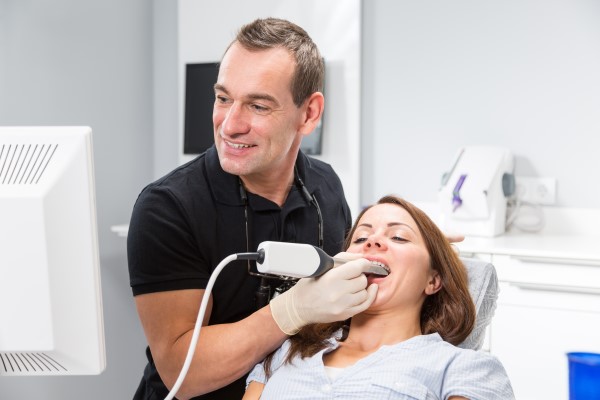
The dentist will protect the patient’s gums first. Then, the application of the teeth whitening gel follows. The dentist will then apply a curing light to the surface of the teeth. Once the light touches the gel, it degrades the carbamide peroxide and hydrogen peroxide into reactive ingredients. These components target and lift away the stain particles from the teeth.
This process will repeat about two to three times within an hour. The dentist will only stop until the dentist reaches the right level of whitening. Laser teeth whitening is for people who have sudden engagements. These people would like to have the self-assurance to walk into a crowd of people.
The patient will take home a whitening kit after the laser teeth whitening at the clinic. This kit will help boost the whitening effect or retouch it when the patient needs to. All it takes is one visit for the patient to experience whiter teeth. The fast whitening treatment allows patients to plan out the rest of the day. Patients do not need to go to the dentist every day for it.
Laser teeth whitening is effective in treating dental staining
It is time to stop spending money on inexpensive, over-the-counter teeth whitening. This time, go to your dentist and experience quick and effective teeth whitening in one dental appointment. Your dentist can guide you during and after your laser teeth whitening experience. An appointment with your dentist can help your smile brighten in no time.
Are you considering having a laser teeth whitening treatment in the St George area? Get more information at https://www.stgeorgedentalcare.com.
Check out what others are saying about our services on Yelp: Laser Teeth Whitening in St George, UT.
Recent Posts
Finding out you have a cracked tooth is unsettling, and the natural next question is whether it will just heal on its own if you leave it alone. It's a fair question, since plenty of minor injuries in the body do heal without treatment. Teeth, unfortunately, don't work that way.This article explains why enamel can't…
Root canal cost is one of the most searched dental questions out there, and for good reason. It's hard to plan for a procedure when the price seems to range so widely depending on who you ask. The truth is that root canal cost depends on several specific factors, and understanding them makes the number…
Getting a dental implant is a significant step toward restoring your smile, and how you care for it in the weeks that follow plays a big role in how well it heals. The good news is that implant aftercare is fairly straightforward once you know what to expect.This guide walks through the healing timeline, how…
Waking up with a sore jaw or a dull headache isn't always about a bad night's sleep. For a lot of people, it's a sign of nighttime teeth grinding, a habit called bruxism that often happens without you ever realizing it.This article covers the common signs of nighttime grinding, why it matters if left untreated,…