Is a Waterpik Better than Flossing? Exploring Dental Care

  • Invisalign St George, UT Oral hygiene is crucial to maintaining overall health, and flossing plays a significant role in keeping our gums healthy and free from plaque. Traditionally, dental floss has been the go-to tool for cleaning those hard-to-reach areas between teeth. However, with the advent of technology, water flossers like the Waterpik have emerged as an innovative alternative. This has sparked a common question among dental patients and health-conscious individuals alike: Is a Waterpik better than flossing? This post will explore this debate, providing insights into both methods to help you make an informed decision.

Understanding the Importance of Flossing

  • Flossing involves using a thin, flexible string to remove food particles and plaque between teeth. It’s an essential practice in oral hygiene, as it targets areas that a toothbrush might miss. Flossing helps prevent the buildup of plaque, which can lead to cavities and gum disease.

Benefits of Regular Flossing

  • The benefits of flossing extend beyond just cleaner teeth. Flossing helps reduce the risk of gum inflammation and gum disease by removing plaque and debris. Regular flossing can also contribute to fresher breath and a brighter smile by preventing teeth staining from leftover food particles.

Common Mistakes in Flossing Technique

  • Despite its benefits, many people make mistakes when flossing. Too much force can damage gums, while not using enough can be ineffective. It’s crucial to guide the floss gently between the teeth and curve it against each tooth to clean effectively without causing harm.

Exploring Waterpiks

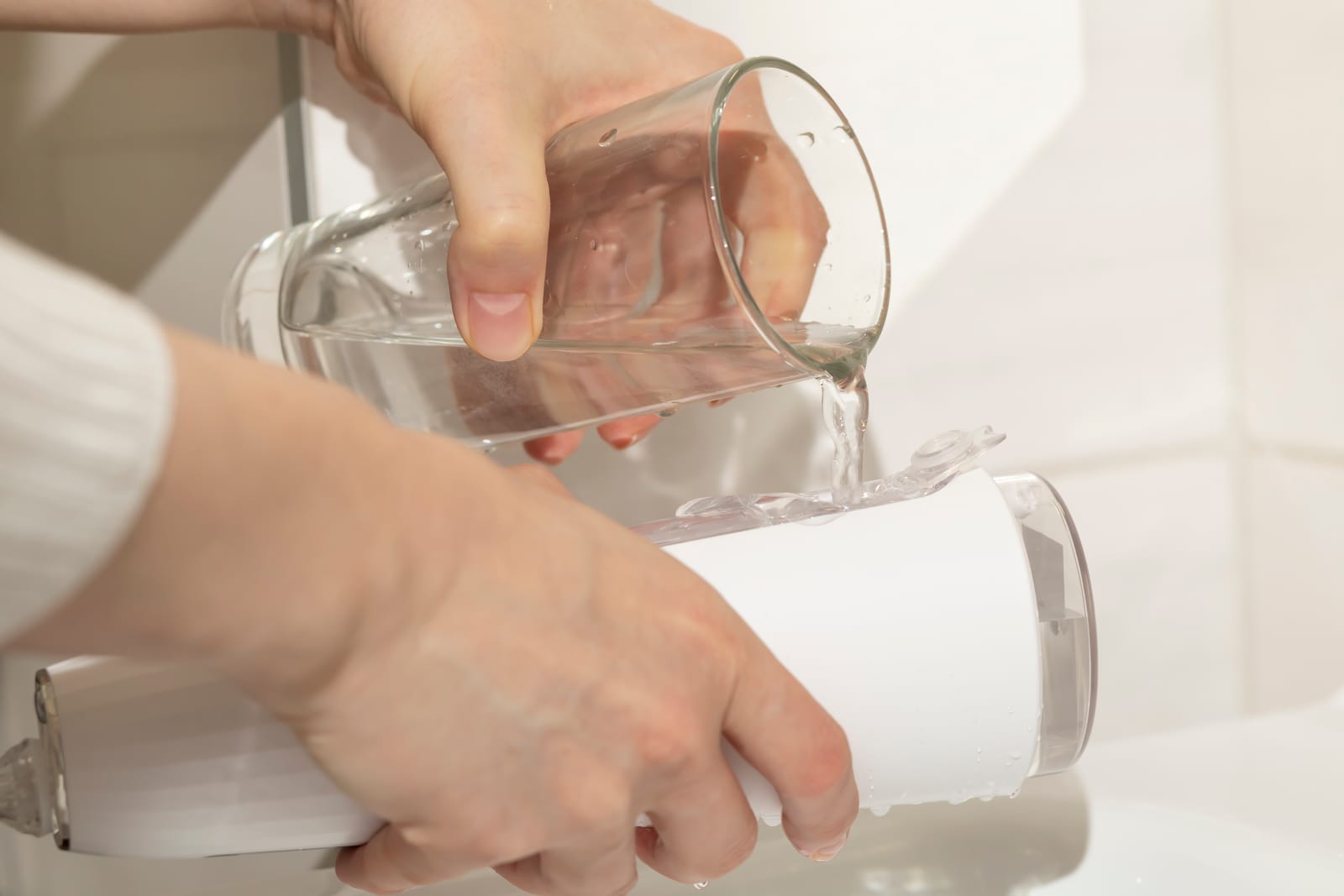
  • A Waterpik is a type of water flosser that uses a stream of pulsating water to remove plaque and food particles from between teeth and below the gumline. It’s often seen as a more modern and convenient alternative to traditional flossing.

Benefits of Using a Waterpik

  • Waterpiks offer several advantages. They are beneficial for individuals with braces or dental work, which makes traditional flossing challenging. The pulsating water can reach areas that string floss might miss, and it’s often perceived as gentler on gums, making it suitable for those with sensitive gums.

Drawbacks and Limitations of Waterpiks

  • While Waterpiks are effective, they may not always remove all plaque as effectively as string floss, especially stubborn deposits. Additionally, they require an initial investment and regular maintenance, which can be a drawback for some users.

Cost and Long-Term Oral Health Considerations

  • • Cost Analysis: Traditional floss is much cheaper initially compared to Waterpiks. However, Waterpiks involve an upfront cost and continuous maintenance expenses, including tip replacement and power consumption. Despite this, Waterpiks’s convenience can make them a worthy investment for some.
  • • Effect on Oral Health: Traditional floss and water flossers can positively impact long-term oral health. Consistent usage of either method can help prevent gum disease and cavities. The choice depends on what fits best with your lifestyle and enables you to maintain a regular routine.
  • • Balancing Cost and Efficiency: For many, the decision may be based on balancing cost and personal preference. Waterpiks may offer advanced features and easy usage, whereas traditional floss is a more budget-friendly way to achieve similar oral health benefits, provided it is used correctly.

Insights from Experts and Recent Studies

  • Dental experts generally agree that both flossing and Waterpiks can be effective tools for maintaining oral hygiene. The choice between the two often depends on individual needs and preferences. Some studies suggest that water flossers may be more effective at reducing gingival bleeding and inflammation, while traditional floss is better at removing certain types of plaque.
  • Recent research has indicated that water flossers can be more effective than flossing in reducing gingivitis and plaque, especially in populations with orthodontic appliances. However, traditional floss is highly recommended because it effectively removes plaque through mechanical action. Dentists often recommend using a combination of both methods for optimal oral health. A Waterpik can provide a thorough clean, while traditional flossing effectively removes any remaining plaque.

Personalized Recommendations for Oral Health

  • Individuals with specific oral health conditions, such as braces, implants, or sensitivity, may benefit from using a Waterpik. Its gentle yet effective cleaning action can help prevent irritation and ensure a thorough clean around dental work. Personal preference plays a significant role in choosing between traditional flossing and using a Waterpik. Some people prefer the tactile feedback of flossing, while others enjoy the ease and novelty of a Waterpik. Ultimately, the best approach is to consult with a dental professional.

Thanks for Reading!

  • In conclusion, the debate over whether a Waterpik is better than flossing depends largely on individual preferences, oral health needs, and lifestyle considerations. Both methods offer unique benefits; in many cases, a combination of the two can provide the most comprehensive oral care. Remember, consistency is key when it comes to maintaining a healthy smile.

Schedule with Saint George Dental Care Today

  • Request an appointment here: https://www.stgeorgedentalcare.com or call St. George Dental Care at (435) 628-9099 for an appointment in our St George office.

    Check out what others are saying about our services on Yelp: Read our Yelp reviews.

    Recent Posts

    How Much Does A Root Canal Cost? What Determines The Price

    Root canal cost is one of the most searched dental questions out there, and for good reason. It's hard to plan for a procedure when the price seems to range so widely depending on who you ask. The truth is that root canal cost depends on several specific factors, and understanding them makes the number…


    Caring For Your New Dental Implant: A Simple Aftercare Guide

    Getting a dental implant is a significant step toward restoring your smile, and how you care for it in the weeks that follow plays a big role in how well it heals. The good news is that implant aftercare is fairly straightforward once you know what to expect.This guide walks through the healing timeline, how…

    Do You Need A Night Guard? Understanding Teeth Grinding And Treatment Options

    Waking up with a sore jaw or a dull headache isn't always about a bad night's sleep. For a lot of people, it's a sign of nighttime teeth grinding, a habit called bruxism that often happens without you ever realizing it.This article covers the common signs of nighttime grinding, why it matters if left untreated,…

    How Long Do Dental Implants Last? A Realistic Look At Implant Lifespan

    "Implants last forever" is a phrase that gets thrown around a lot, and it's not quite accurate. Dental implants are one of the most durable tooth replacement options available, but calling them permanent oversimplifies what actually determines how long they hold up.This article looks at realistic implant lifespan, what factors affect longevity, and what that…

Recent Posts

How Much Does A Root Canal Cost? What Determines The Price

How Much Does A Root Canal Cost? What Determines The Price

Root canal cost is one of the most searched dental questions out there, and for good reason. It's hard to plan for a procedure when the price seems to range so widely depending on who you ask. The truth is that root canal cost depends on several specific factors, and understanding them makes the number…

Caring For Your New Dental Implant: A Simple Aftercare Guide

Caring For Your New Dental Implant: A Simple Aftercare Guide

Getting a dental implant is a significant step toward restoring your smile, and how you care for it in the weeks that follow plays a big role in how well it heals. The good news is that implant aftercare is fairly straightforward once you know what to expect.This guide walks through the healing timeline, how…