Dental Implants

Bridge vs Implant Cost: Which Tooth Replacement Option Fits Your Budget?

  • Missing a tooth can impact more than just your smile. It affects your ability to eat, speak clearly, and feel confident in social situations. When considering tooth replacement options, two popular choices emerge: dental bridges and dental implants. Understanding the bridge vs implant cost comparison helps you make an informed decision that aligns with both your oral health needs and your budget.
  • At St. George Dental Care in St. George, Utah, we help patients evaluate these options daily. Our experienced team, led by Dr. Dan Utley, Dr. Tyler Utley, and Dr. Colton Utley, provides comprehensive consultations to determine which solution works best for each individual situation. Both bridges and implants offer unique advantages, but their costs vary significantly in both initial investment and long-term maintenance.

Understanding Dental Bridges

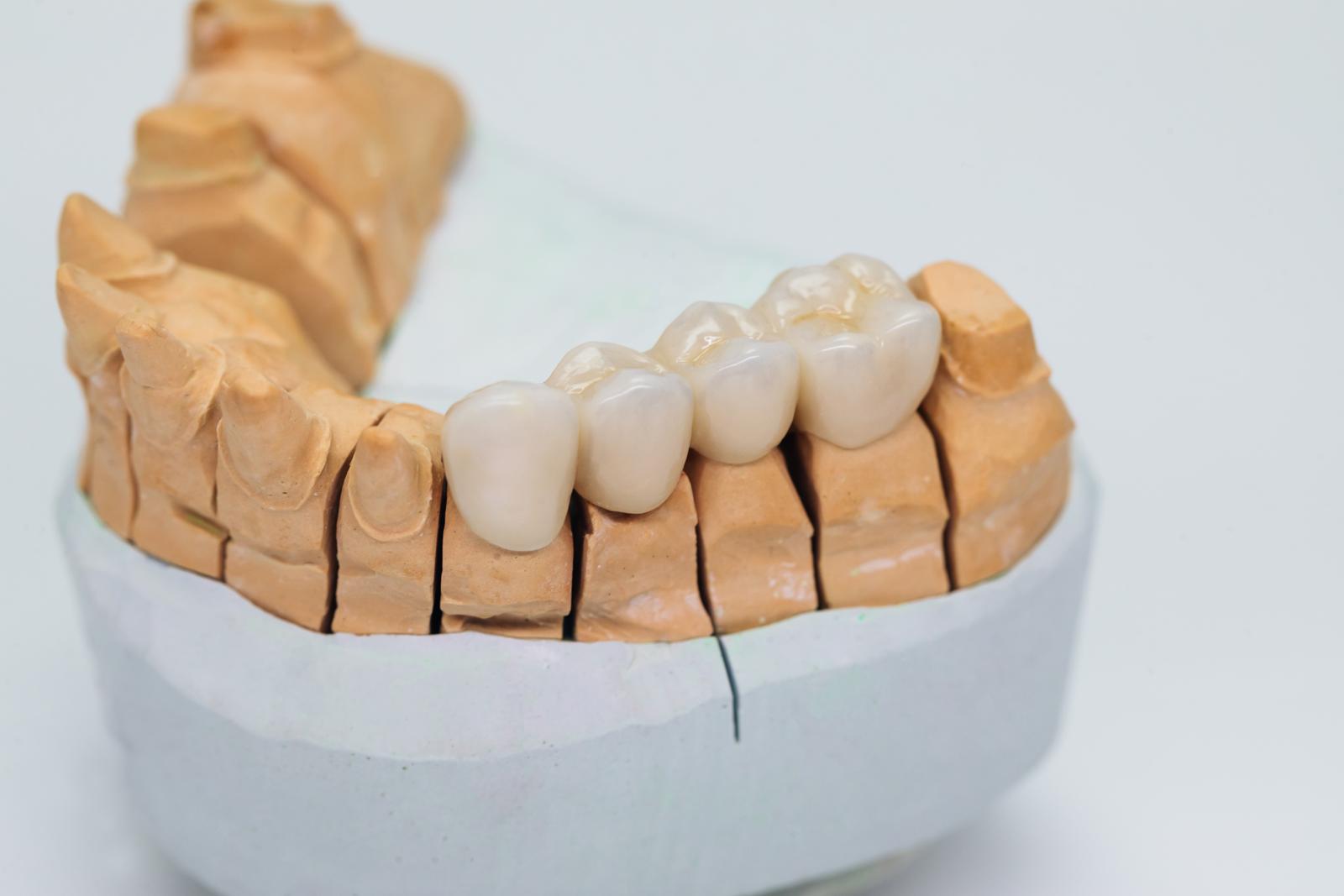
  • A dental bridge consists of one or more artificial teeth anchored by crowns placed on the teeth adjacent to the gap. This restoration literally “bridges” the space where your natural tooth once stood. The process involves reshaping the neighboring teeth to accommodate the crowns that will support the replacement tooth.

Materials and Cost Impact

  • Dental bridges come in several material options, each affecting the overall cost:
  • • Porcelain-fused-to-metal bridges offer durability at a moderate price point
  • • All-ceramic bridges provide the most natural appearance, but cost more
  • • Metal bridges are the most affordable but less aesthetically pleasing for visible teeth

Advantages and Disadvantages

  • Bridges offer several benefits, including faster treatment completion (typically 2-3 weeks) and immediate restoration of function. They don’t require surgery, making them suitable for patients who aren’t candidates for implant procedures.
  • However, bridges require altering healthy adjacent teeth, which can weaken them over time. They also need replacement every 10-15 years and require special cleaning techniques to maintain oral hygiene around the restoration.

Understanding Dental Implants

  • Dental implants involve surgically placing a titanium post into the jawbone, which acts as an artificial tooth root. After the implant integrates with the bone (a process called osseointegration), a crown is attached to complete the restoration.

Materials and Installation Impact

  • Implant costs include several components:
  • • Titanium implant post: the foundation that replaces the tooth root
  • • Abutment: the connector piece between implant and crown
  • • Crown: the visible tooth portion, available in various materials
  • The surgical placement requires specialized training and equipment, contributing to the higher initial investment. However, the biocompatible titanium typically lasts a lifetime with proper care.

Advantages and Disadvantages

  • Implants preserve adjacent healthy teeth since no reshaping is necessary. They maintain jawbone density by providing stimulation similar to natural tooth roots. With proper maintenance, implants can last decades or even a lifetime.
  • The main disadvantages include higher upfront costs, longer treatment timeline (3-6 months for healing), and the need for adequate bone density. Some patients require additional procedures like bone grafting, which increases costs further.

Cost Factors: Bridges vs Implants

Initial Investment Comparison

  • Generally, dental bridges have lower upfront costs compared to implants. A traditional three-unit bridge typically costs less than a single implant with a crown. However, these initial savings can be misleading when considering long-term expenses.
  • The bridge vs implant cost equation changes significantly over time. While bridges may seem more affordable initially, they require replacement every 10-15 years. Implants, though more expensive upfront, often prove more economical over 20-30 years.

Long-term Financial Considerations

  • Bridges need periodic maintenance and eventual replacement, creating ongoing costs. Each replacement may also require additional dental work if the supporting teeth develop problems. Meanwhile, implant crowns may need replacement after 15-20 years, but the implant post typically remains stable for life.
  • Consider also the potential costs of complications. Bridge failure might necessitate root canal treatment or the extraction of supporting teeth. Implant complications are less common but can include infection requiring additional treatment.

Insurance and Financing Options

  • Most dental insurance plans provide some coverage for both bridges and implants, though coverage levels vary. Traditional bridges often receive higher coverage percentages since they’re considered standard care. Implant coverage is improving as they become more mainstream.
  • St. George Dental Care accepts various insurance plans and offers financing options to make both treatments accessible. We work with patients to maximize their benefits and create manageable payment plans.

Making the Right Choice for Your Situation

  • Your overall oral health plays a crucial role in determining the best option. Patients with healthy adjacent teeth might prefer implants to avoid altering those teeth. Conversely, if neighboring teeth already need crowns, a bridge might address multiple issues efficiently.
  • Age and lifestyle factors also matter. Younger patients often benefit more from implants’ longevity, while older patients might prefer bridges’ faster completion time. Your commitment to oral hygiene and regular dental visits affects the success of either option.

Consulting with Dental Professionals

  • Every patient’s situation is unique. During consultations at St. George Dental Care, we evaluate factors like bone density, gum health, adjacent tooth condition, and your personal preferences. We use advanced imaging and examination techniques to provide accurate treatment recommendations. Our team explains all costs upfront, including potential additional procedures. We believe informed patients make the best decisions for their long-term oral health and financial well-being.

Your Investment in Oral Health

  • Choosing between a bridge and an implant involves weighing immediate costs against long-term value. While bridges offer lower upfront expenses and faster treatment, implants often provide better long-term economics and preserve your natural tooth structure.
  • The bridge vs implant cost comparison extends beyond dollars to include quality of life, convenience, and oral health benefits. Both options can successfully restore your smile and function when properly planned and executed.
  • Ready to explore your tooth replacement options? Contact St. George Dental Care today to schedule a consultation. Our experienced team will evaluate your specific situation and provide personalized recommendations that fit both your oral health needs and budget. Don’t let a missing tooth compromise your confidence or health any longer.

Schedule with Saint George Dental Care Today

  • Request an appointment here: https://www.stgeorgedentalcare.com or call St. George Dental Care at (435) 628-9099 for an appointment in our St George office.

    Check out what others are saying about our services on Yelp: Read our Yelp reviews.

    Recent Posts

    Tooth Extraction Complications: What To Watch For

    While the thought of having a tooth pulled might make you nervous, it is a routine dental procedure performed to protect your overall oral health. Whether it's a wisdom tooth causing overcrowding or a damaged tooth that cannot be saved, a tooth extraction is often the best course of action. However, as with any medical…

    Emergency Dental Work: What You Need To Know

    A sudden, throbbing toothache or a chipped tooth from an accident can be alarming. These situations often require immediate attention, but many people are unsure what truly counts as an emergency. Knowing when to seek urgent care can be the difference between saving a tooth and facing more complex, costly procedures later.A dental emergency is…

    Understanding Dentist Anesthesia: Types, Uses, And Benefits

    Many people feel anxious about visiting the dentist, often because they fear pain or discomfort. Thankfully, modern dentistry offers several types of dentist anesthesia to ensure your experience is as comfortable and stress-free as possible. Understanding these options can help ease your worries and empower you to get the dental care you need without fear.At…

    What Are Dental Sealants? A Simple Guide For Patients

    At St. George Dental Care, we believe that a healthy smile starts with proactive care. While brushing and flossing are essential, sometimes your teeth need extra protection. That’s where dental sealants come in: a simple, effective way to guard against cavities and decay. This guide will explain what dental sealants are, how they work, and…

St. George Dental Care

Share
Published by
St. George Dental Care

Recent Posts

Tooth Extraction Complications: What to Watch For

While the thought of having a tooth pulled might make you nervous, it is a…

1 week ago

Emergency Dental Work: What You Need to Know

A sudden, throbbing toothache or a chipped tooth from an accident can be alarming. These…

3 weeks ago

Understanding Dentist Anesthesia: Types, Uses, and Benefits

Many people feel anxious about visiting the dentist, often because they fear pain or discomfort.…

3 weeks ago

What Are Dental Sealants? A Simple Guide for Patients

At St. George Dental Care, we believe that a healthy smile starts with proactive care.…

4 weeks ago

Smoking Teeth and Gums: Understanding the Long-Term Effects

At St. George Dental Care, we are committed to providing quality healthcare to families in…

2 months ago

Dental for Seniors: Common Issues and How to Prevent Them

A healthy smile is a vital part of your overall well-being, no matter your age.…

2 months ago