Cavity Myths Debunked by Your St. George Dentist

  • Tooth cavities are one of the most common dental issues treated by your St. George dentist. Some people have the luck of learning about the implications of cavities and how to prevent them early in life. Many parents teach their children how to brush and floss correctly and diligently visit the dentist for cleanings and checkups. However, certain myths exist about cavities, and debunking them is important to provide everyone with a good knowledge of the risk factors, treatment and prevention of cavities.

Common Cavity Myths

  • According to St. George dentists, the following are common misconceptions people have about cavities:

Cavities Only Affect Children

  • This is probably one of the most popular myths today. Many adults believe that cavities are only a problem for children that stops happening once they are older. This is not true. Since many public water supplies are being fluoridated, cases of childhood cavities are becoming fewer. Adults, especially seniors, are often on long-term medications for certain diseases and therefore battle dry mouth. Dry mouth is a risk factor of tooth decay, as is poor oral hygiene at any age.

Cavities Stop Occurring After Filling a Tooth

  • Treating a tooth cavity requires cleaning out the decay and closing the cavity with a filling material. Therefore, once the dentist has removed the decay and filled the tooth, many people think they no longer have to deal with cavities anymore. Although it is true that tooth decay will no longer occur on that particular spot after treatment, maintaining good oral care is necessary. The remaining teeth can still suffer cavities, as well as other parts of the treated tooth.

Sensitive Teeth Always Mean Tooth Cavities

  • If drinking or eating cold or sweet food items causes pain to your teeth, most people think it is a definite sign of a teeth cavity. While it is entirely possible, tooth sensitivity can also be a result of several other factors aside from decay. For instance, gum recession, which exposes the roots of the tooth, can cause sensitivity, as well as degraded enamel, usually caused by teeth grinding or aggressive brushing.

Sugar is The Only Cause of Tooth Cavities

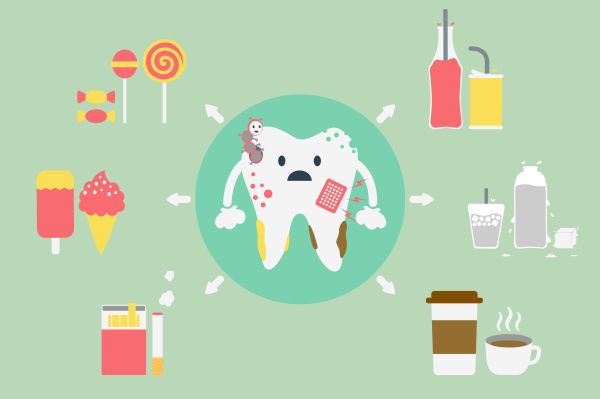
  • Many people have the opinion that avoiding sugary drinks and candies is a sure way to prevent cavities. Yes, sugar is a major cause of tooth decay, but it is not alone in the act. Bacterial plaque can form from carbs (such as bread, rice, potatoes), fruits and sugars. It creates an acid that attacks the tooth enamel and causes decay. The key to prevention is to limit your intake of carbs and sugary foods.

Final Note

  • The main lesson your St. George dentist wants you to learn is that preventative care is crucial. Once you get cavities, your teeth lose their strength to an extent and ultimately become more vulnerable. The teeth are crucial, not just for enjoying the best meals, but also for speech and aesthetics. Ensure you maintain optimal oral hygiene by brushing and flossing regularly. Also, do not forget to keep up with your dental appointments. Request an appointment here: https://www.stgeorgedentalcare.com or call St. George Dental Care at (435) 628-9099 for an appointment in our St. George office.

    Check out what others are saying about our services on Yelp: Read our Yelp reviews.

    Recent Posts

    Do You Need A Night Guard? Understanding Teeth Grinding And Treatment Options

    Waking up with a sore jaw or a dull headache isn't always about a bad night's sleep. For a lot of people, it's a sign of nighttime teeth grinding, a habit called bruxism that often happens without you ever realizing it.This article covers the common signs of nighttime grinding, why it matters if left untreated,…

    How Long Do Dental Implants Last? A Realistic Look At Implant Lifespan

    "Implants last forever" is a phrase that gets thrown around a lot, and it's not quite accurate. Dental implants are one of the most durable tooth replacement options available, but calling them permanent oversimplifies what actually determines how long they hold up.This article looks at realistic implant lifespan, what factors affect longevity, and what that…

    What Is A Gum Boil? Causes, Symptoms, And When To See A Dentist

    Spotting a small bump on your gum can be startling, especially if it appeared seemingly overnight. Most people search for answers right away, and understandably so. A gum boil looks unusual, but it's a fairly common dental issue with clear causes and a straightforward path to treatment.This guide covers what a gum boil actually is,…

    Signs Of A Cavity: What Early Tooth Decay Looks And Feels Like

    Cavities don't usually show up overnight. They develop slowly, and the earliest signs are often small enough to miss unless you know what to look for. Catching those early clues gives you a much better shot at simple treatment instead of a bigger procedure down the road.This guide covers what a cavity actually looks and…

Recent Posts

Do You Need A Night Guard? Understanding Teeth Grinding And Treatment Options

Do You Need A Night Guard? Understanding Teeth Grinding And Treatment Options

Waking up with a sore jaw or a dull headache isn't always about a bad night's sleep. For a lot of people, it's a sign of nighttime teeth grinding, a habit called bruxism that often happens without you ever realizing it.This article covers the common signs of nighttime grinding, why it matters if left untreated,…

How Long Do Dental Implants Last? A Realistic Look At Implant Lifespan

How Long Do Dental Implants Last? A Realistic Look At Implant Lifespan

"Implants last forever" is a phrase that gets thrown around a lot, and it's not quite accurate. Dental implants are one of the most durable tooth replacement options available, but calling them permanent oversimplifies what actually determines how long they hold up.This article looks at realistic implant lifespan, what factors affect longevity, and what that…